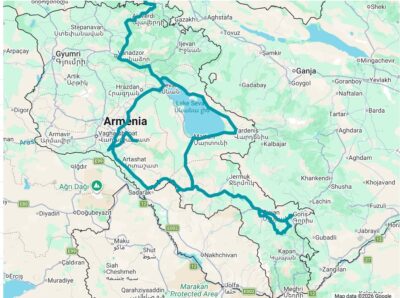
Overnight stops (in date order): Haghpat (x3); Sevan (x2); Goght (x4); Areni; Yeghegnadzor (x2); Shamb; Tatev; Yeghegnadzor (x2); Lake Sevan; Haghpat (x2)
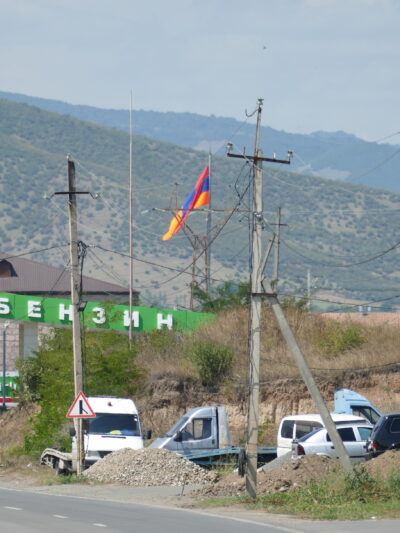
The crossing into Armenia was relatively straightforward.
We followed the Debed River into the canyon it has cut in the Gugarats Mountains to Haghpat; set on the dry plateau above the canyon.
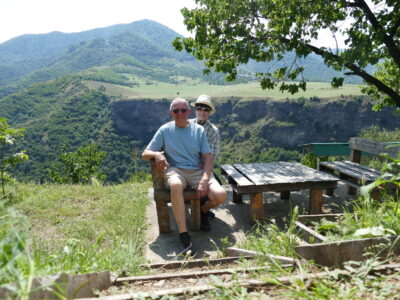
Having filled our boots with Georgian monasteries, the village’s principal attraction is the UNESCO World Heritage Listed Haghpat Monastery – founded in the 10th Century by Queen Khosrovanuysh, wife of the Bagratid king Ashot III.
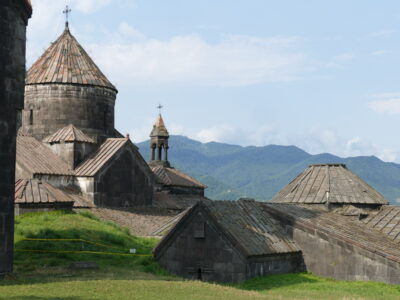
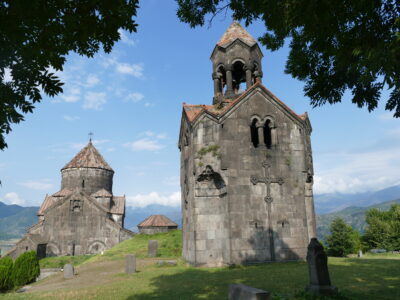
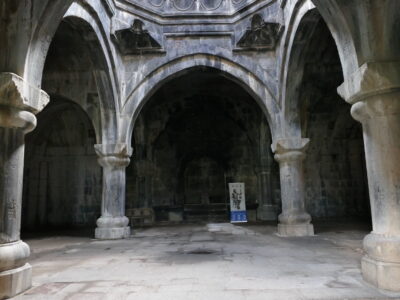
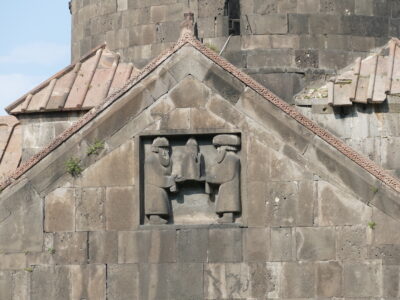
Images of her two sons are carved into the wall of the main church.
The canyon and surrounding hills are great walking country;
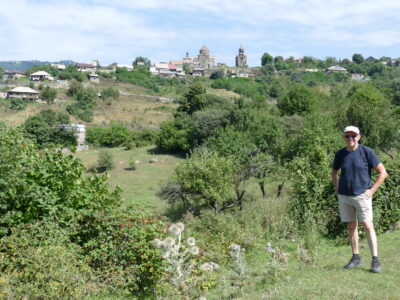
littered with the ruins of ancient forts (such as the Kayan Fortress)
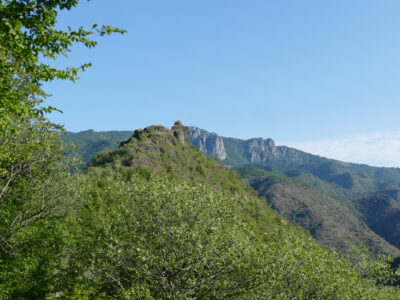
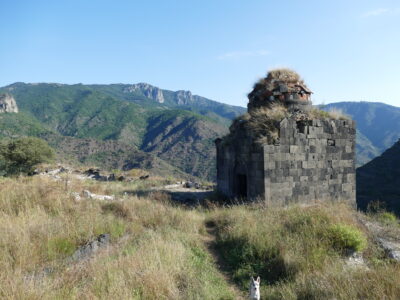
and defensive walls.
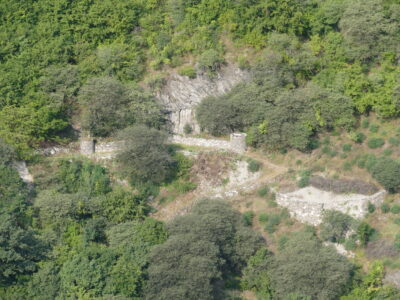
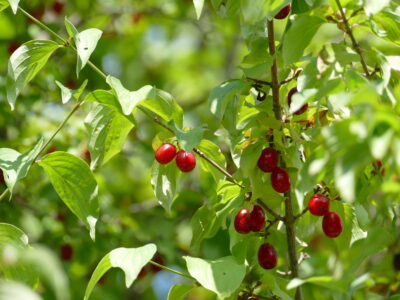
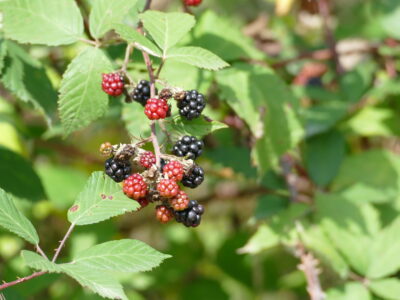
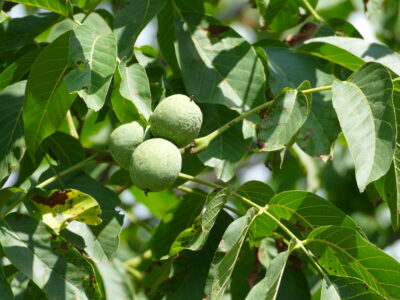
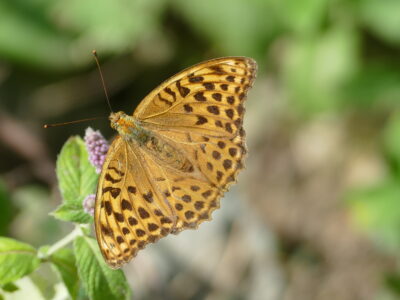
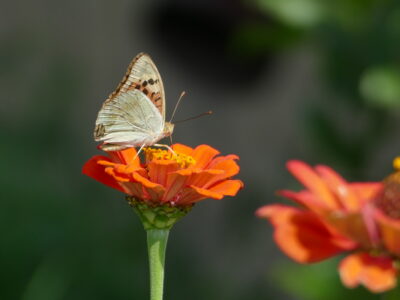
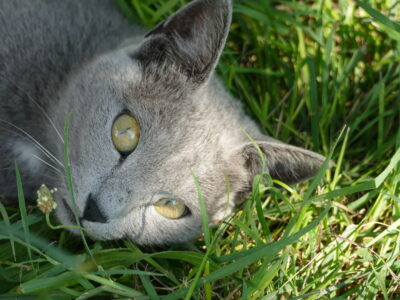
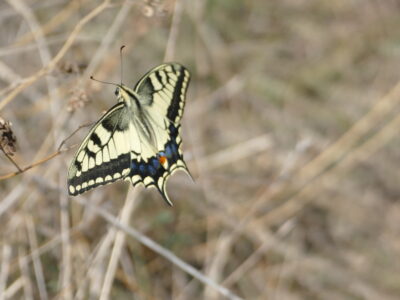
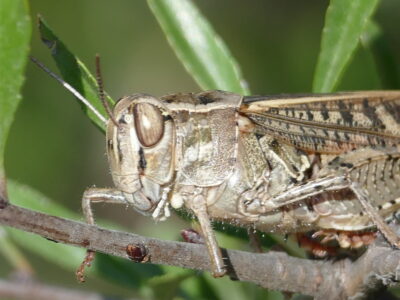
Late Summer was a time when nature was in full action.
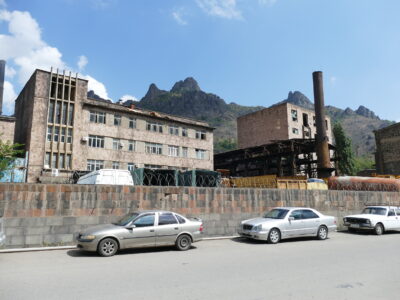
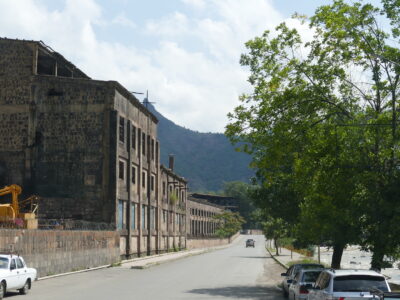
The decaying industrial ruins of the copper smelting plant in Alaverdi, a Soviet-era ‘mono-town’ in the floor of the Canyon, are less attractive.
We spent two nights beside Lake Sevan; which covers 5% of Armenia’s land area.
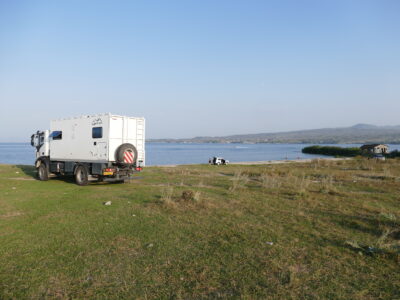
Although set at an altitude of 1,900 metres, the lake is warm enough to swim in
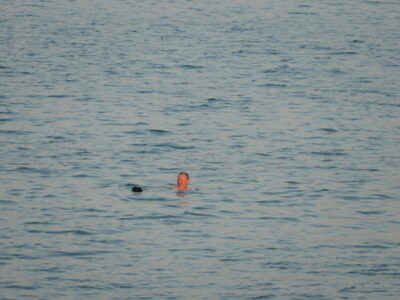
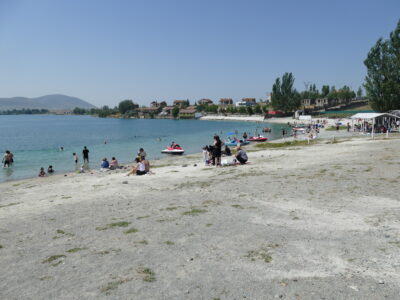
and, in a land-locked country, the closest that Armenians have to a seaside.
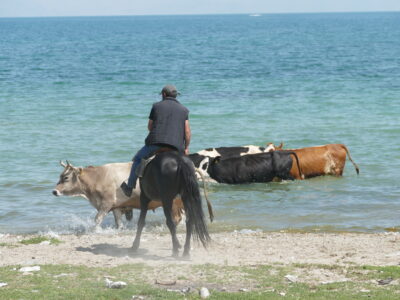
In the deserted spot where we camped our only visitors were the mixed flocks/herds of animals
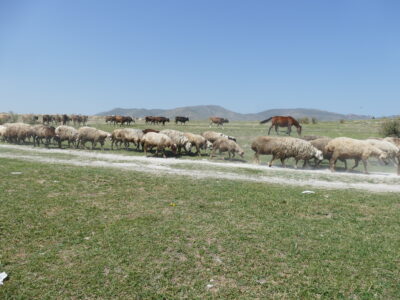
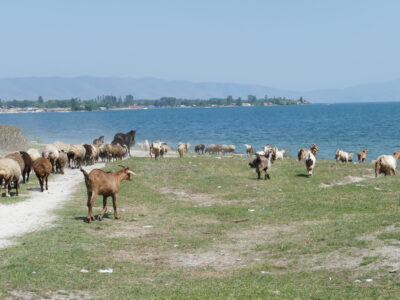
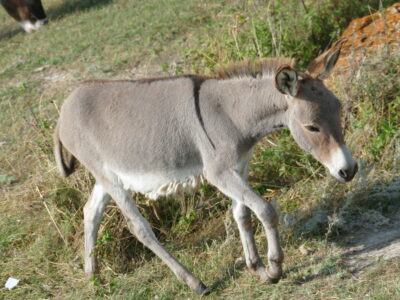
brought down twice a day to drink at the lake by an Armenian sheep/goat/horse/donkey/cowboy.
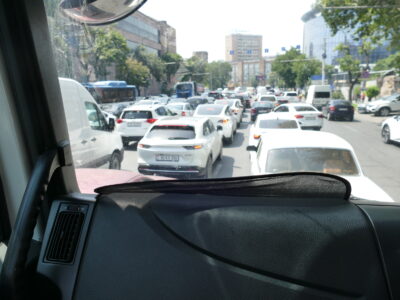
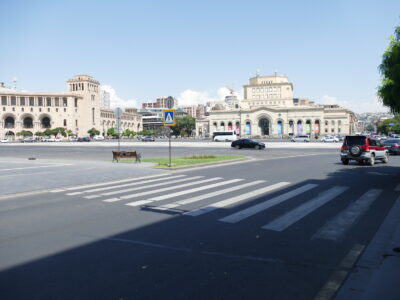
In contrast, it took us more than an hour to negotiate the choked streets of the capital, Yerevan, to reach a garage that fixed our turbocharger.
The city was largely rebuilt during the Soviet period (the Armenians still celebrate Alexander Myasnikyan one of the leaders of the Bolshevik revolutionaries)
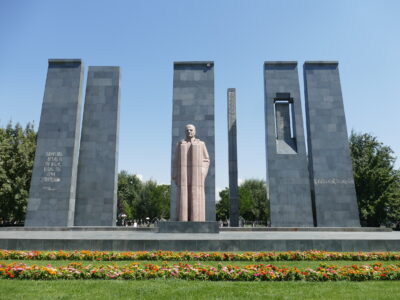
when most of the city’s older buildings were swept away.
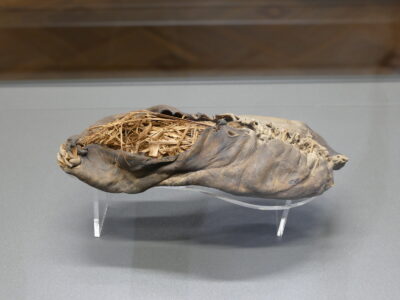
The wonderful collection of bronze-age artefacts in History Museum of Armenia was the highlight for us. They included the World’s oldest shoe (preserved for 5,500 years in a layer of sheep dung in a cave near Areni);
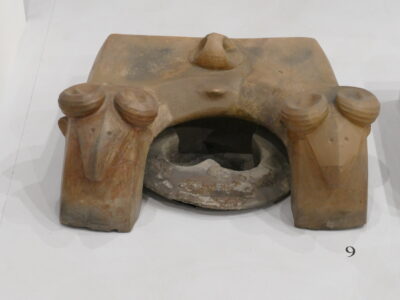
a clay hearth from the same period;
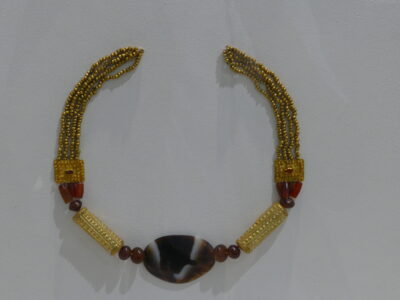
some fabulous jewellery
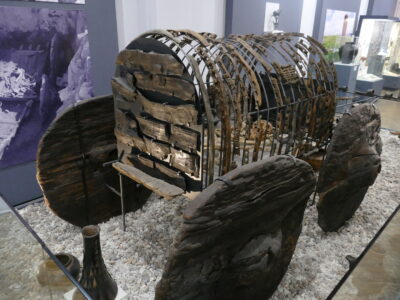
and a wooden burial cart, complete with occupant (a mere 4,000 years old).
The museum also covered Armenia’s centuries-long struggle for freedom. The small country was caught between the Ottoman, Persian and Russian empires in the two centuries leading up to the First World War – during which more than million Armenians were killed or deported as part of the genocide perpetrated by the Ottomans. Armenia briefly achieved independence in 1918. It was absorbed into the Soviet Union two years later; finally achieving statehood in 1991.
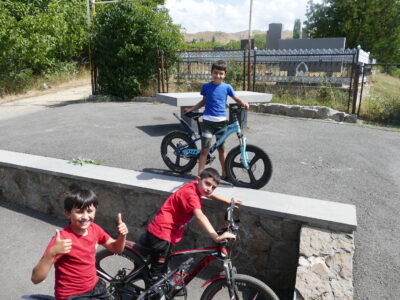
Unsurprisingly, Armenians have a strong cultural identity
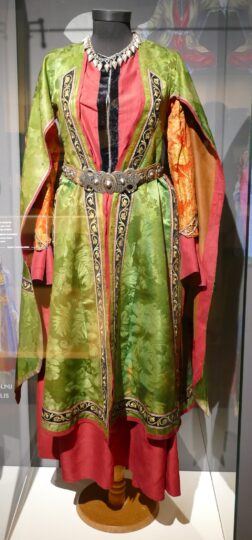
and are fiercely proud of their alphabet, language, traditions and food.
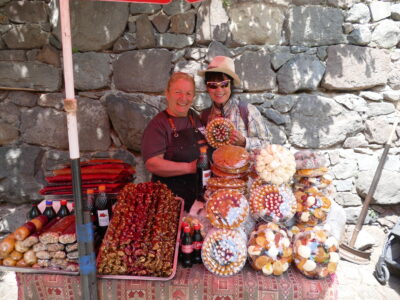
We spent four nights with other travellers at a campground to the south-east of Yerevan
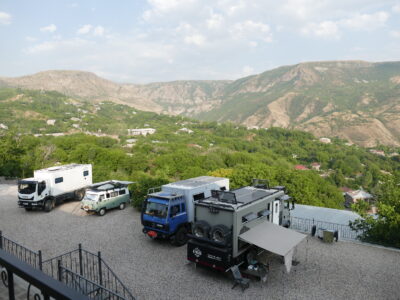
in the dry country
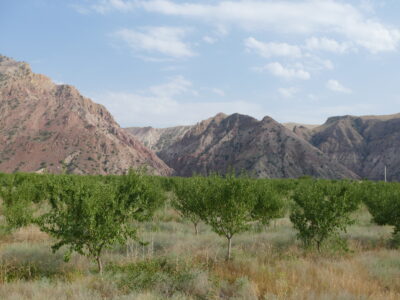
above the Azat River valley.
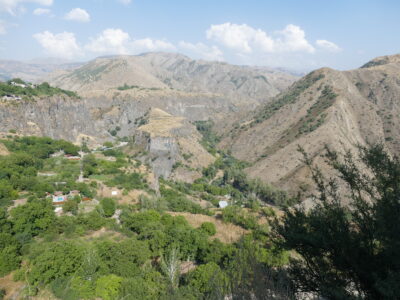
The nearby Garni Temple
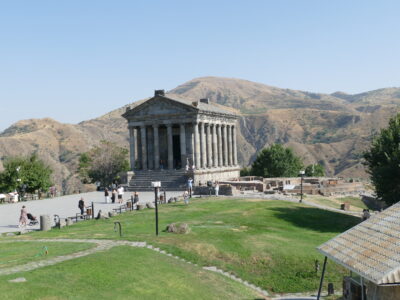
is thought to have been built in the 1st Century by the king of Armenia, following a visit to Rome and using money provided by Emperor Nero. The temple collapsed during an earthquake on 17th Century and was rebuilt seventy years ago.
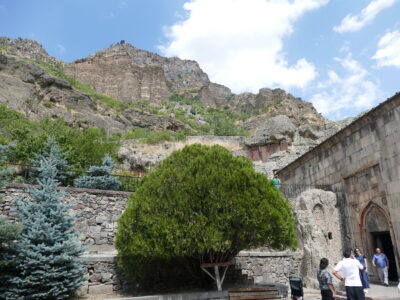
The medieval Geghard Monastery, another UNESCO World Heritage Site,
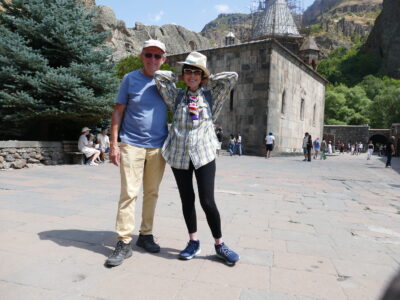
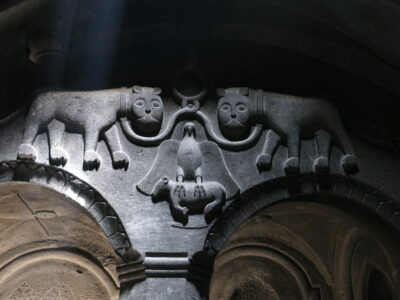
is partly carved out of the rock
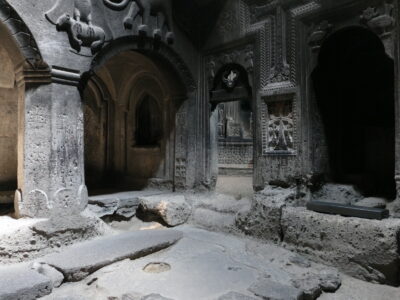
in a dramatic location at the top of the Azat Valley.
Continuing south, we spent a night at the Momik WineCube winery, close to Areni and a few kilometres from the border with the Nakhchivan exclave of Azerbaijan.
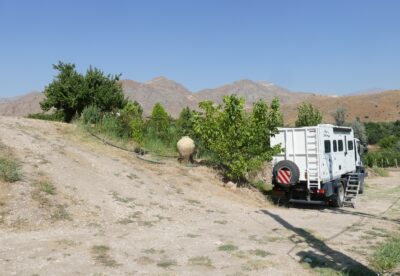
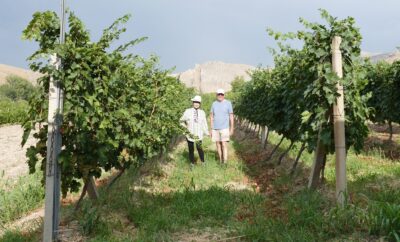
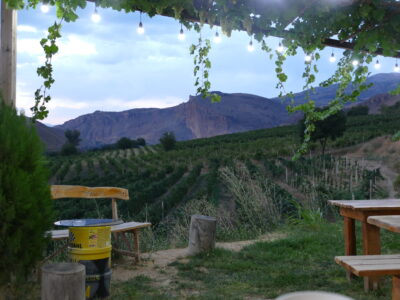
Momik is at the other end of the size-scale to the massive Badagoni winery we visited in Georgia. It produces just 4,000 bottles each year (Badagoni’s 12 Million bottles per annum is very close to the total production in Armenia).
The owners, Nver and Narine,
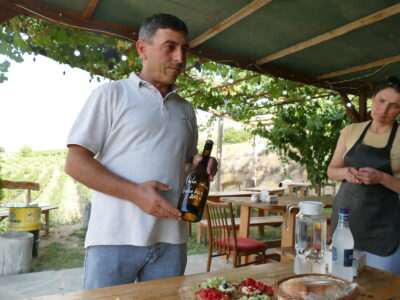
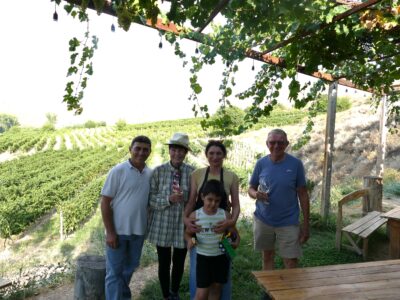
are pretty strong on sales.
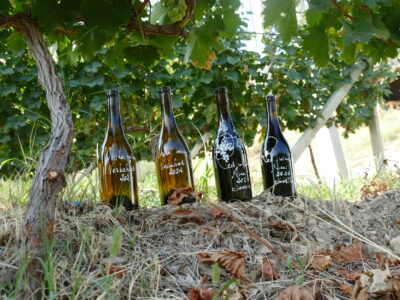
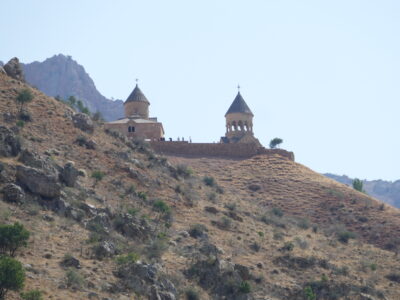
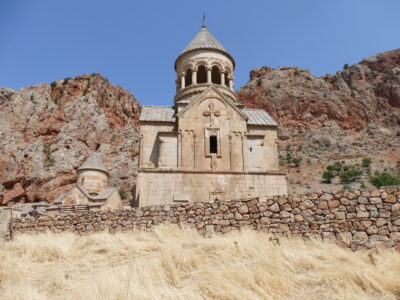
Narine, who is a sculptor, named their winery after Momik, a medieval architect and sculptor, who is credited with designing the nearby Naravank monastery complex.
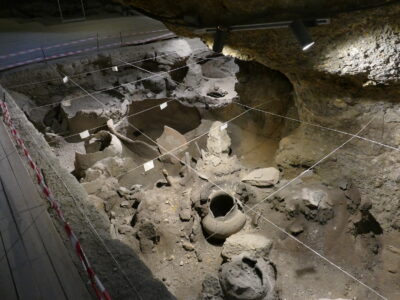
Also nearby, the Areni-1 Cave has been used by people for more than 6,000 years
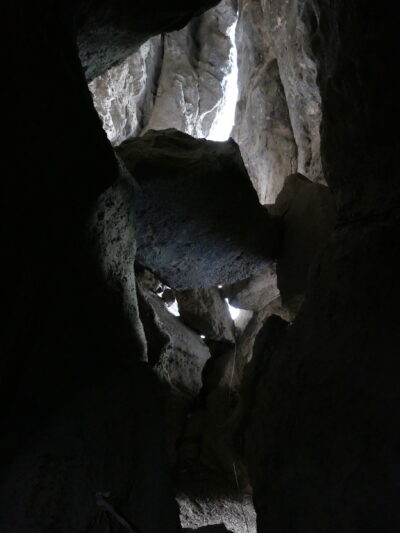
and has been extensively excavated. Its two principal claims to fame as the place where the famous ancient shoe was found and as the oldest known winery – 4,100 BC (a claim that might be contested by the Georgians).
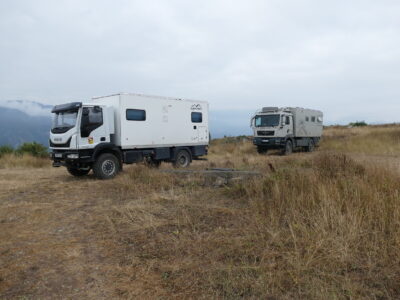
Southern Armenia is beautiful. We celebrated six months on the road on the banks of the Vorotan river
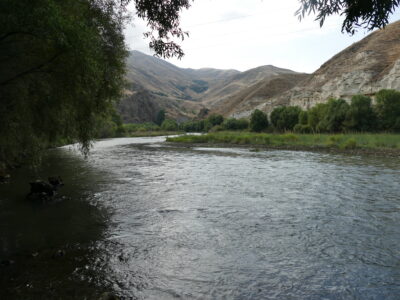
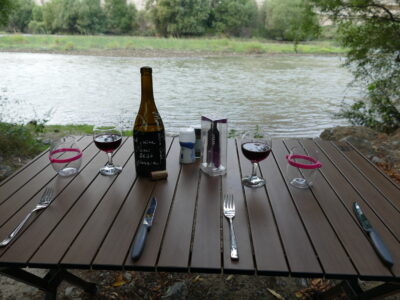
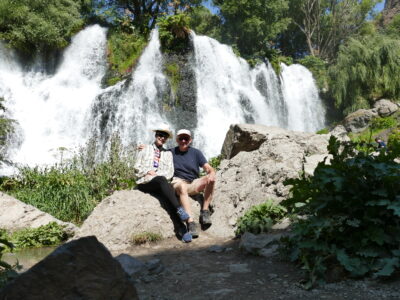
which, together with the Rivers Arpa and Aras have cut canyons and gorges in the mountain ranges
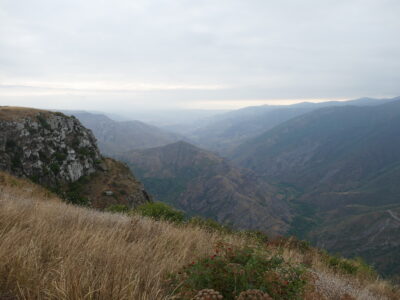
and created wonders such as the Shaki Falls.
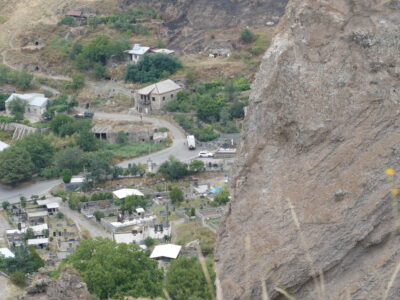
The region is also stuffed full of history. The medieval cave dwellings at Goris (reminiscent of those in Cappadocia) were occupied up until the Soviet period)
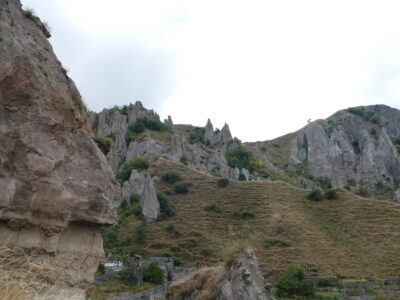
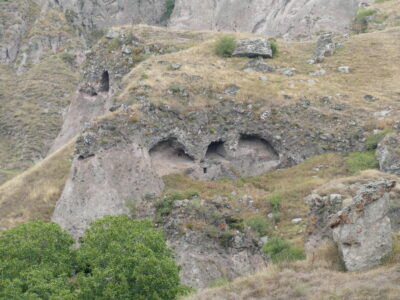
(you can just see Danielle beside the truck in this view from the top).
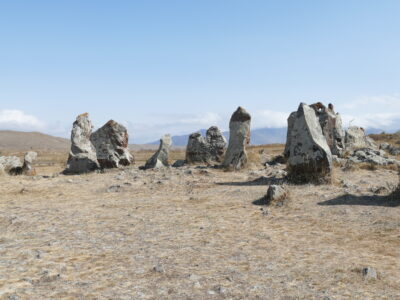
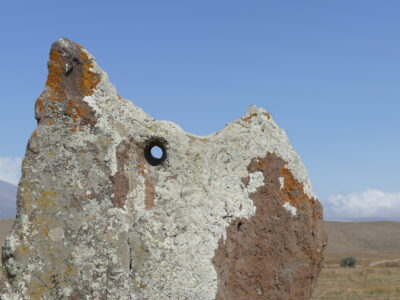
The locals have (rather ambitioulsy) dubbed the standing stones at the Bronze-age burial complex at Zorats Karer as ‘Armenia’s Stonehenge’.
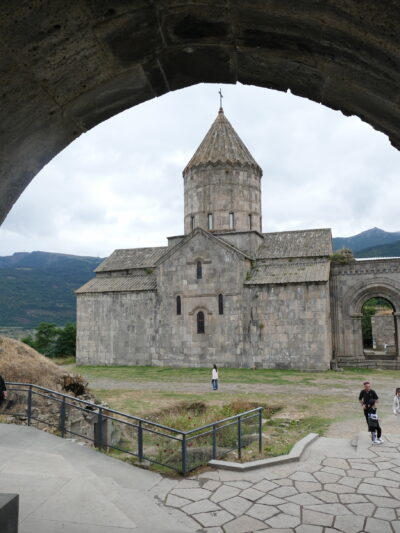
We reached the ninth Century Tatev Monastery
by the ‘Wings of Tatev’ cable car which, at 5,752 metres, is the World’s longest aerial tramway built in a single section.
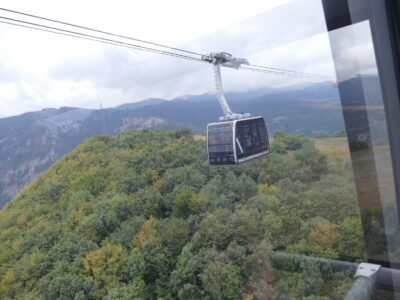
At its highest point the car is 320 meters above the gorge.
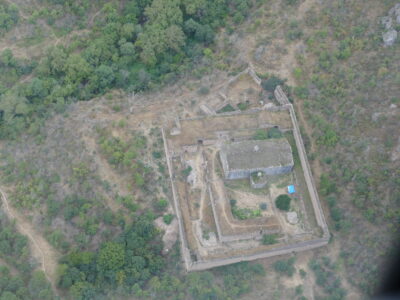
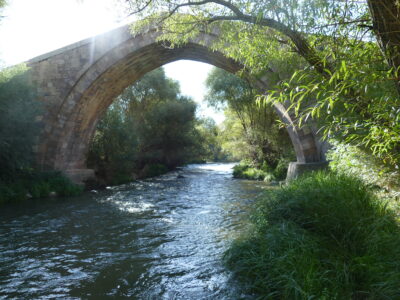
Retracing our steps, we spent a couple more nights at Yeghegnadzor; an opportunity to visit its medieval bridge
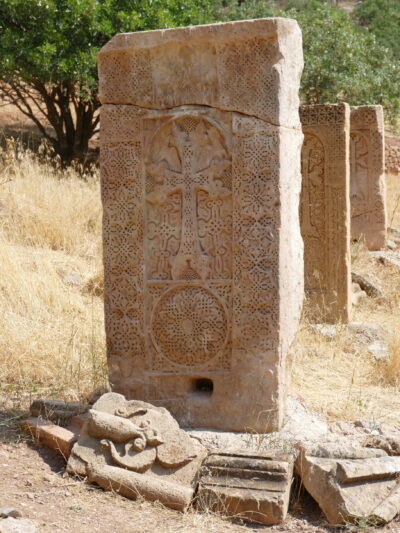
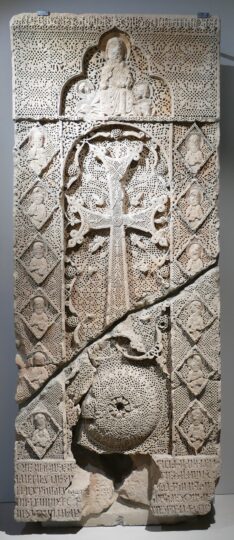
and its small but well-curated museum. Its most prized exhibits are a ‘Khachkar’ carved in 1308 by the master sculptor Momik
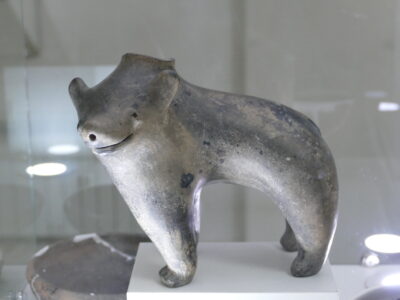
and a late bronze-age ritual vessel in the form of a clay bear with an engaging smile
From Yeghegnadzor, we followed one limb of the Silk Road up the Vardenis Mountains,
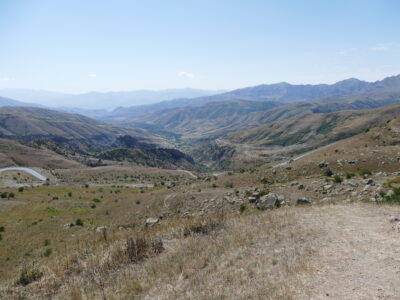
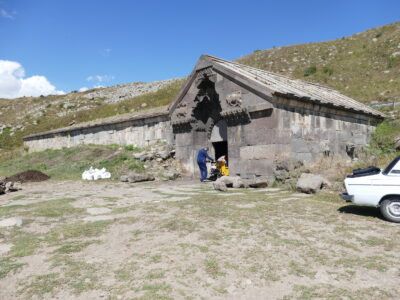
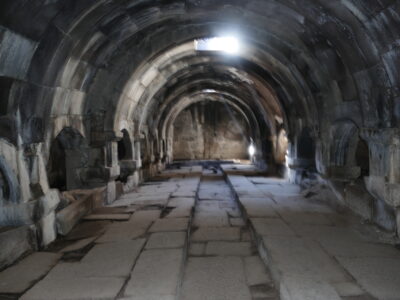
past the 14th Century Orbelian’s Caravanserai (at an altitude of 2,400 metres),
through the Selim Pass and down to Lake Sevan.
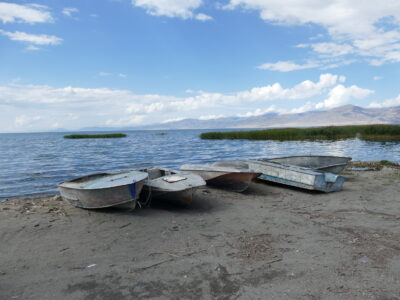
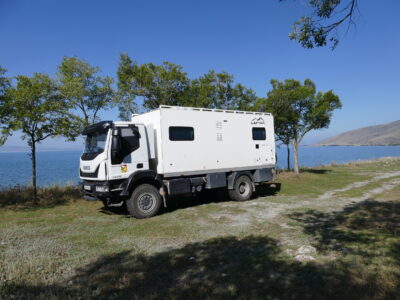
where we camped for the night.
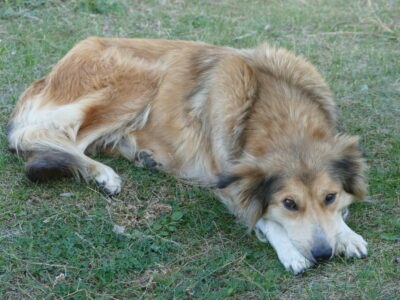
For our last two nights in Armenia, we took the winding road back to Haghpat.
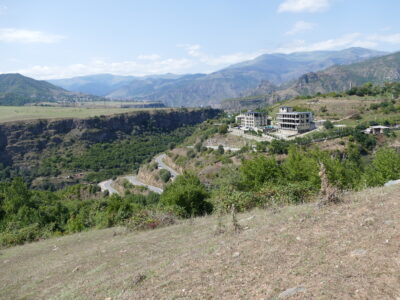
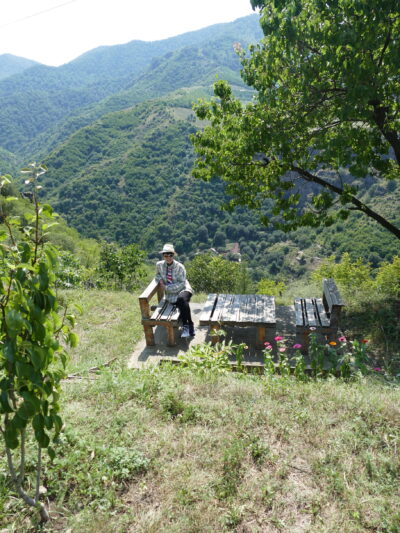
Time for one last walk in the mountains and canyons;
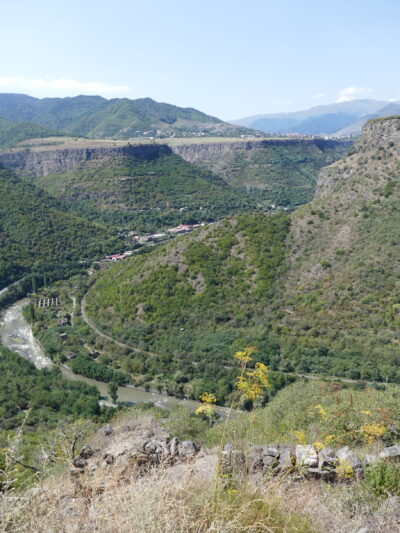
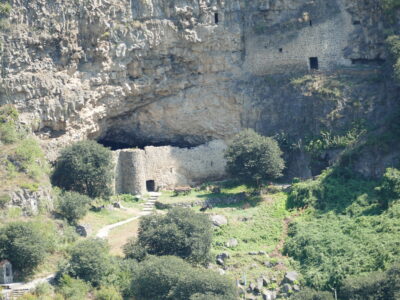
before crossing back into Georgia.
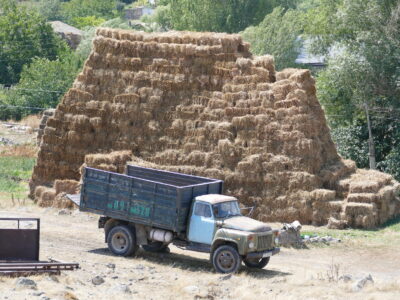
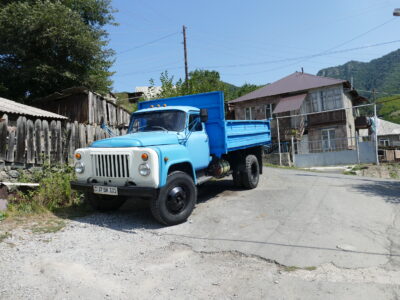
We loved Armenia with its dramatic landscape of mountains, rivers and canyons – and sharing the road with numerous Ladas
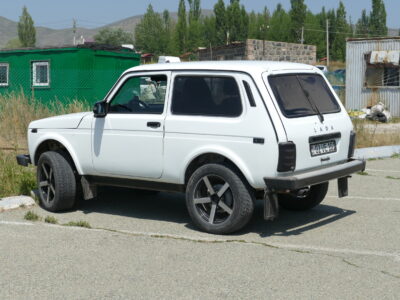
and old, ex-Soviet trucks.
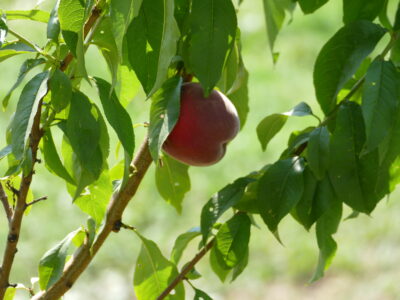
Danielle’s reflections include the harvest of peaches
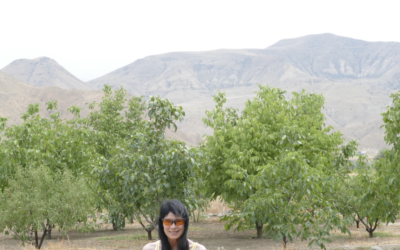

and grapes.
Hello Paul and Danielle. We are going to follow your blog, Paul. I just started yesterday and I m in Gibraltar!
Loving the burial cart!
I suppose it was the ancient equivalent of a hearse.
But then how come the corpse didn’t actually get buried?
Vraiment intéressant. Il fait très beau à ce que nous pouvons voir.
Les photos sont superbes.
Really like the pictures of the lake, wildlife and produce being grown. The artifacts from the museum look very interesting. Looks like a beautiful country to visit.
Six months on the road, hasn’t that gone quickly and what nice views and local wine to celebrate with! The longest aerial tramway looks very interesting. Wishing you well on the next leg of your journey.
Fabulous scenery, artefacts and architecture in a part of the world, not so far away but rarely celebrated back here in “The West”.
Six months on the road, unchallenged by pandemics or other obstacles! I’m so glad to see you are smoothly moving from country to country this time. I love Armenian churches with their pointy hats. And how did they build that enormous stack of haybales………?? Impressive. Your current territory seems to involve a lot of wine – enjoy! It is wonderful to see your images of both nature and culture. Bonne continuation!
Love from Anna & Hugh
Fabulous photos as always Paul, looks fantastic and so much History to enjoy
Safe travels