Overnight stops (in date order): Lake Çıldır; Dogubeyezit (x3); Lake Van; Malabadi Village; Mardin (x2); Göbekli Tepe; Gaziantep; Yumurtalik (x3); Meke Crater Lake, Tuzla; Konya (x2); Kızıldağ National Park; Pamukkale (x2); Izmir; Çeşme (x7); Dikili; Güzelyalı; Ipsala
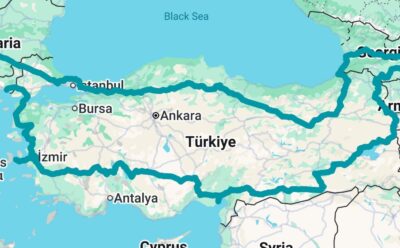
Back in Turkey,
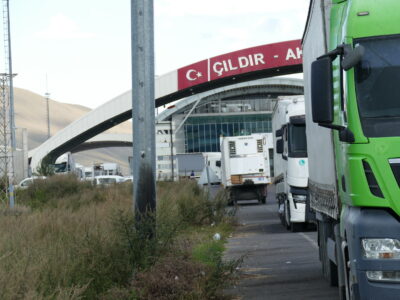
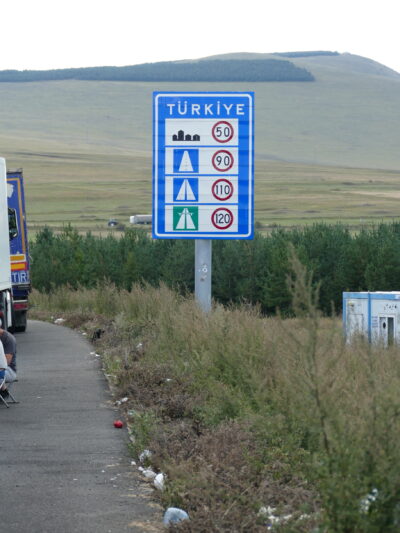
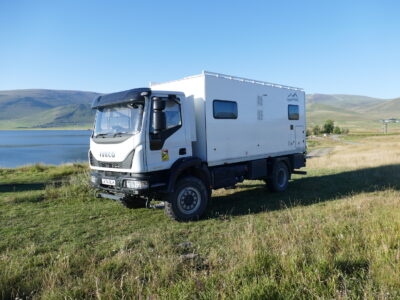
our plan was to visit places we had missed on our last time here in 2020 – starting with the south-east corner. We spent our first night on the shore of Lake Çıldır at an altitude of 2,000 metres.
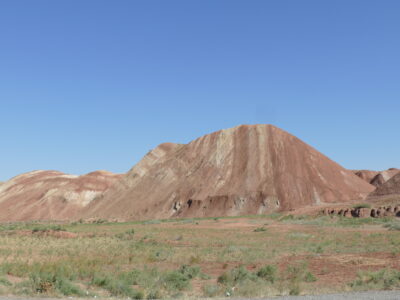
We passed through a region known for its colourful volcanic rock formations,
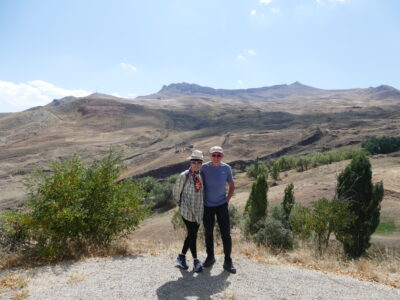
on our way to Doğubayazıt where we spent three nights in the shadow of Mount Ararat;
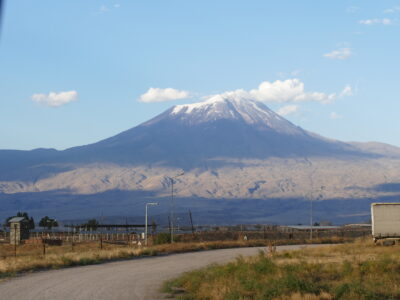
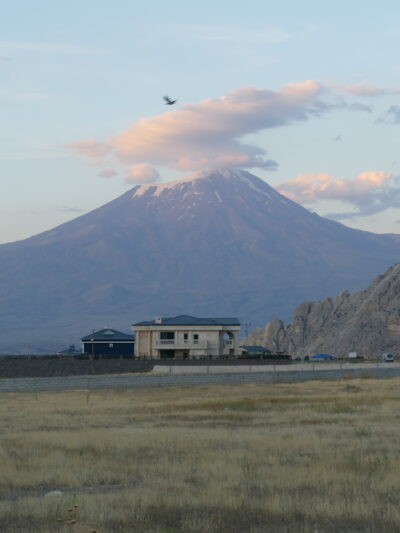
Turkey’s highest mountain – famous for its role in the story of Noah.
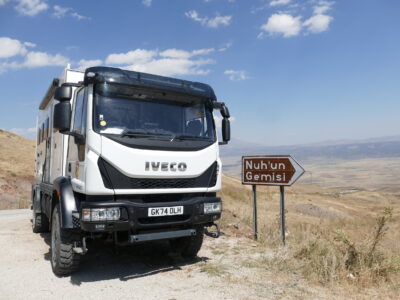
Some believe that a nearby naturally occurring rock formation (a ‘doubly plunging syncline’) on the slope of Mount Tendürek, less than two miles from the Iranian border, is in fact Noah’s Ark.
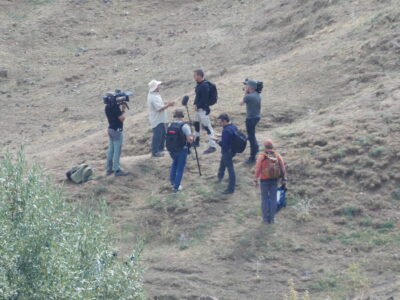
It attracts the attention of film crews and content creators
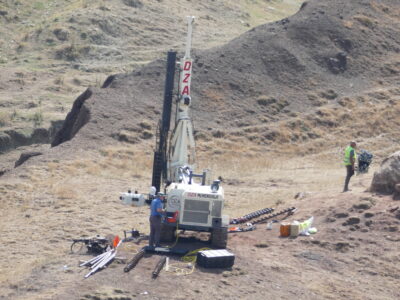
and of investigations, partly funded by an American organisation whose stated goal is to prove the biblical story of Noah.
Due to its location, Doğubayazı has an extraordinarily complex and turbulent history involving Armenians, Persians, Byzantines, Seljuk Turks, Mongols, Ottomans, Russians and Kurds. All made their contribution to the now-ruined fortress,
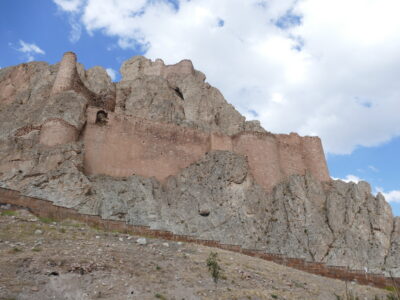
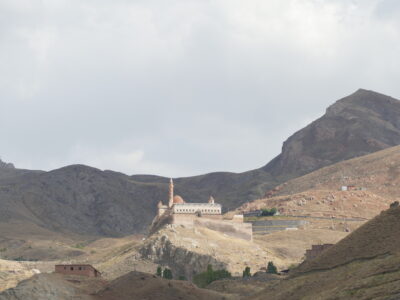
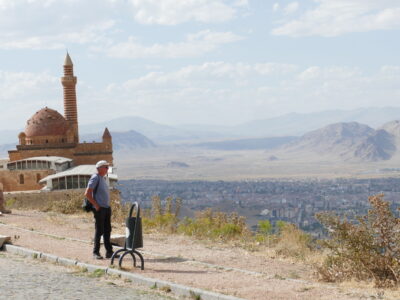
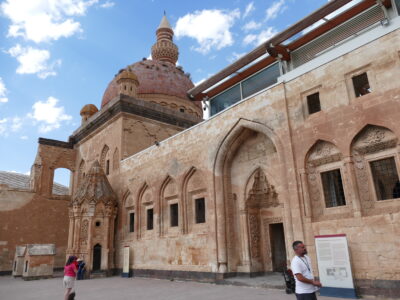
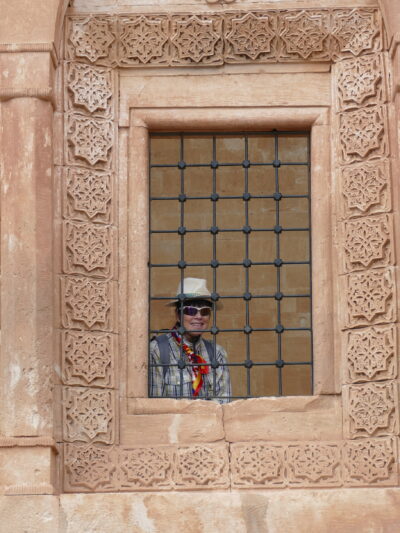
but, the town’s most famous attraction is the Ottoman-period Ishak Pasha Palace.
Lake Van is Turkey’s largest lake.
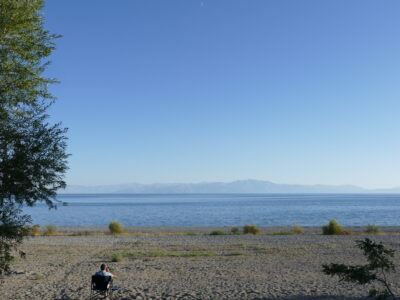
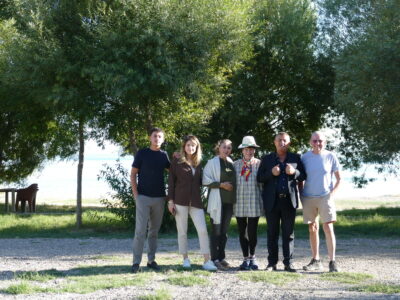
Because a volcanic eruption in pre-history blocked its outlet, its waters are strongly alkaline and so not good for swimming. Only a single species of fish is adapted to life in the lake. We camped at a picnic spot owned by Murat and his family who are proudly Kurdish – as are the great majority of the people in this region.
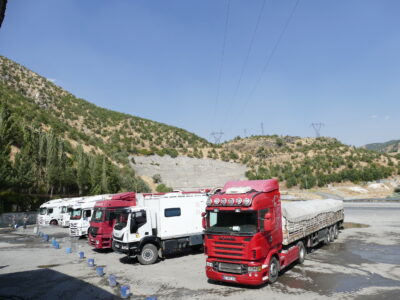
As we continued south,
farmers were in the final stages of harvesting the tobacco leaves;
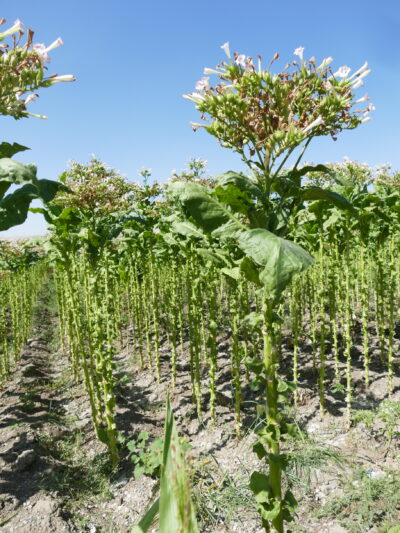
which took me (Paul) back 50 years to a Summer spent picking tobacco in Western Ontario (not a vacation job that today’s medical students would approve of).
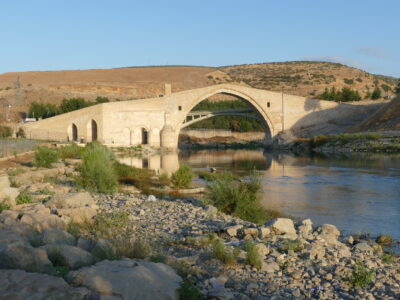
We spent a night overlooking the beautiful 12th Century Malabadi Bridge.
Mardin is set on a steep hillside
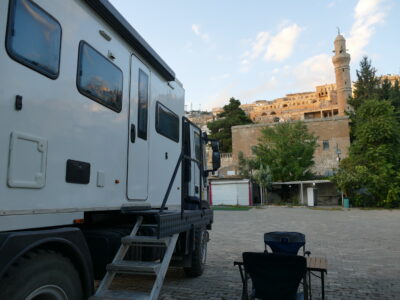
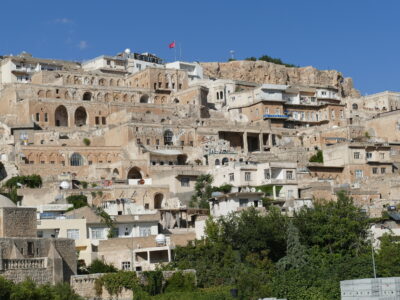
above the basin of the Tigris River, overlooking the plains of Northern Mesopotamia.
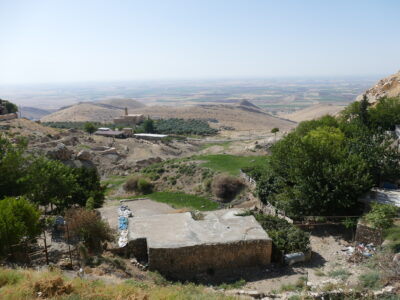
It is therefore linked to the cradle of urban living.
The local sandstone of its buildings is honey-coloured.
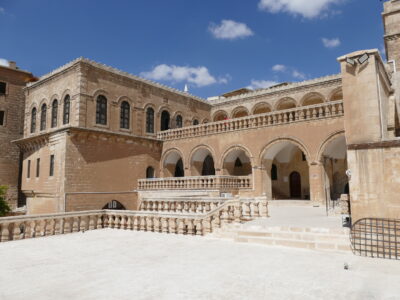
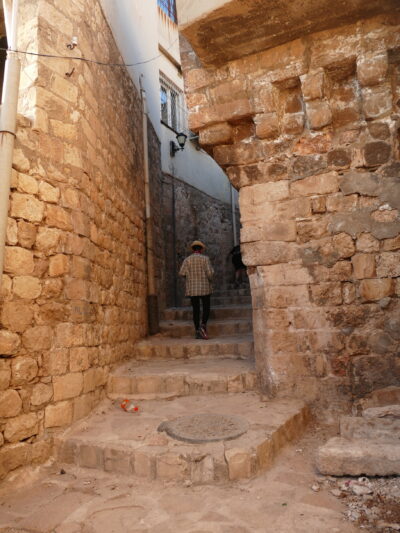
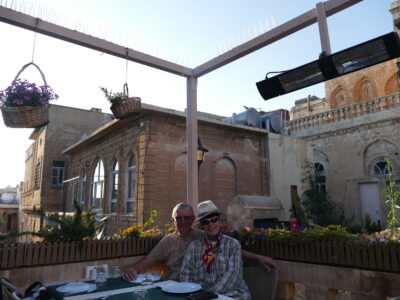
Mardin’s population was predominantly Syriac Christian before many were killed by the Ottomans in the early 20th Century. Although there are now no more than 60 Christian families left in Mardin, there are still a number of ancient churches.
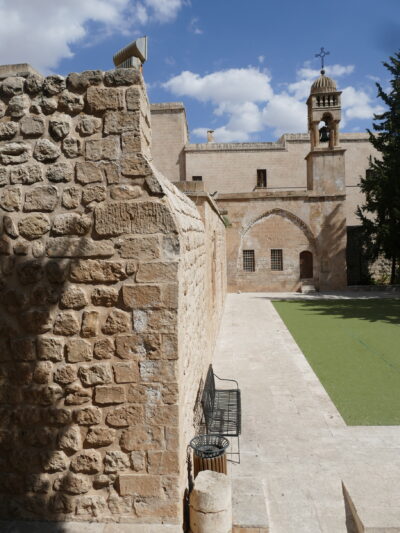
The nearby ‘Saffron Monastery’, dating back to the Byzantine period, is beautifully restored/preserved
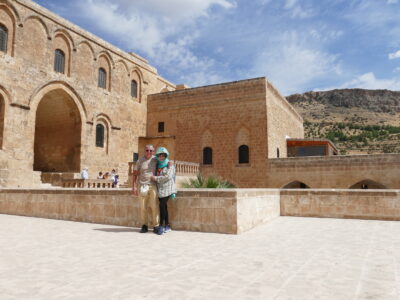
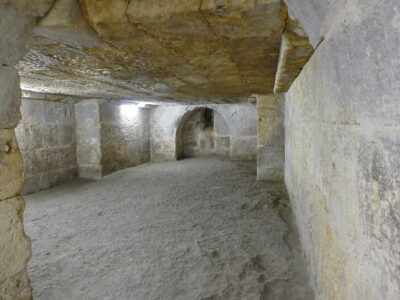
but is now home to just a couple of monks.
Despite now existing in a predominately Islamic country, the monastery still owns vineyards and is part of the Syriac winemaking community.
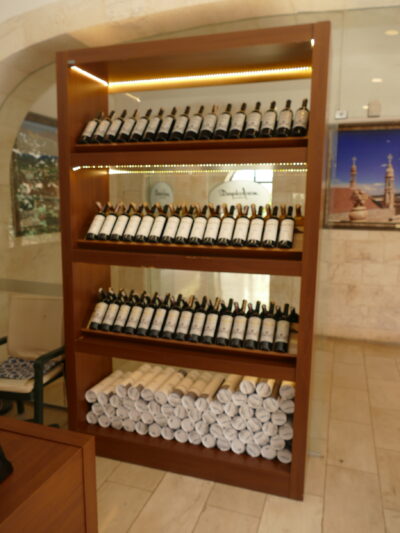
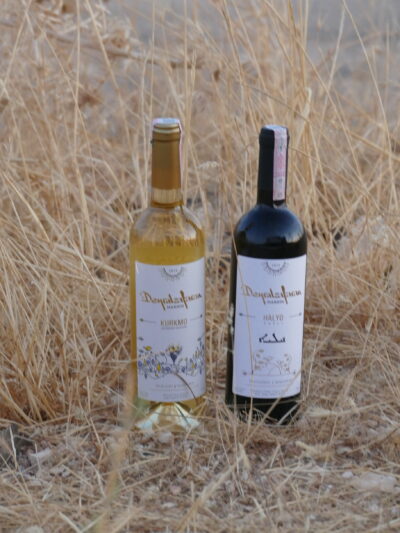
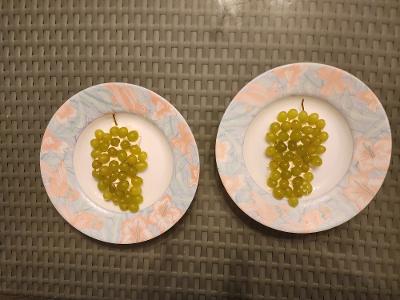
As with Georgia and Armenia, Turkey’s history of wine-making goes back four thousand years before Christianity. It produces about 75 Million litres of wine each year. 95% is sold domestically – with less than 5% exported. This dessert by Danielle pays homage to this history and to the good Turkish wines that we drank.
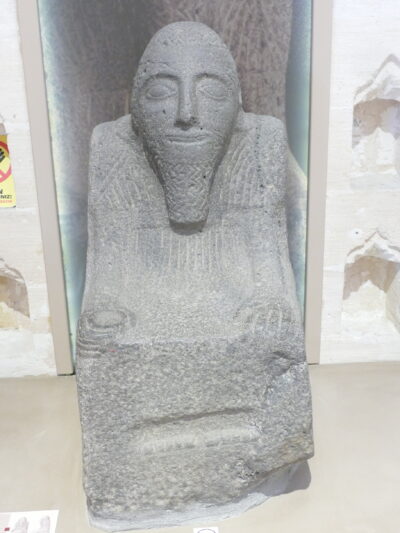
Göbekli Tepe is the most extraordinary pre-historic site that we have visited.
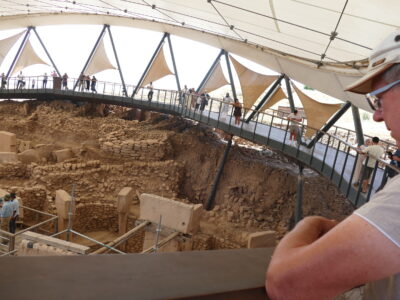
A collection of megaliths dating back more than 10,000 years that have been dubbed the World’s first temple.
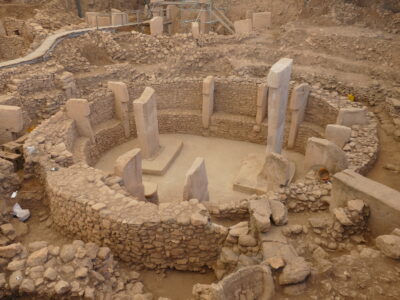
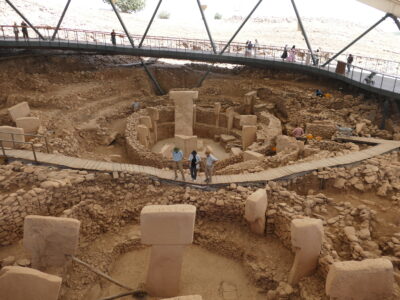
The structures pre-date pottery and metalwork and were built at a time when humans were making the transition from hunter/gather to agriculture. Engravings of animal figures adorn many of the standing stones.
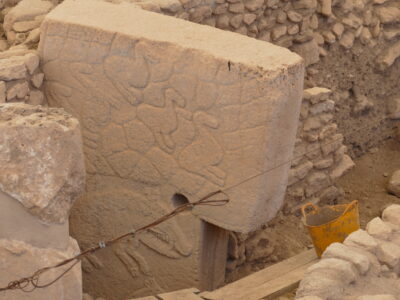
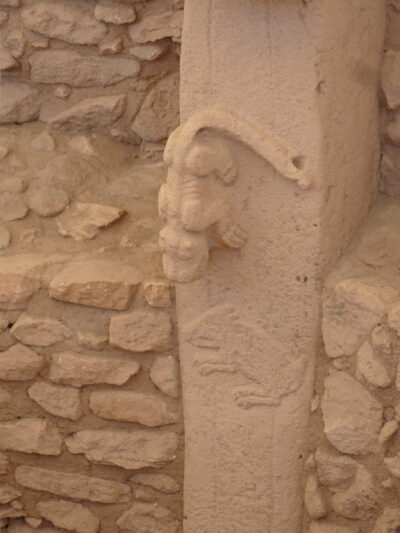
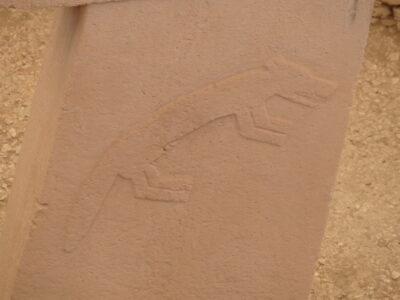
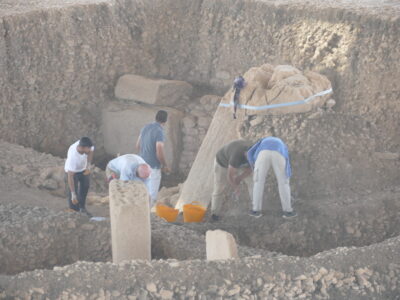
Archaeologists are still working at the site and continue to unearth new structures.
In nearby Sanliurfa,
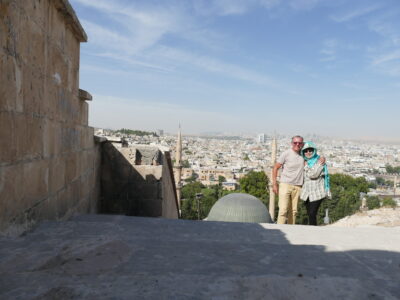
they were still repairing the ancient hilltop fortifications damaged by the huge earthquake in 2023.
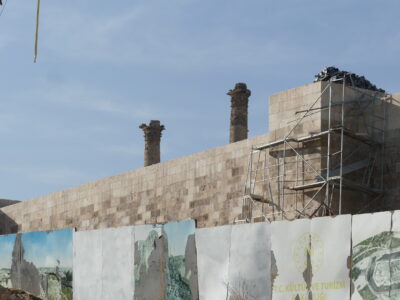
The elegant Mevlid-i Halil Mosque;
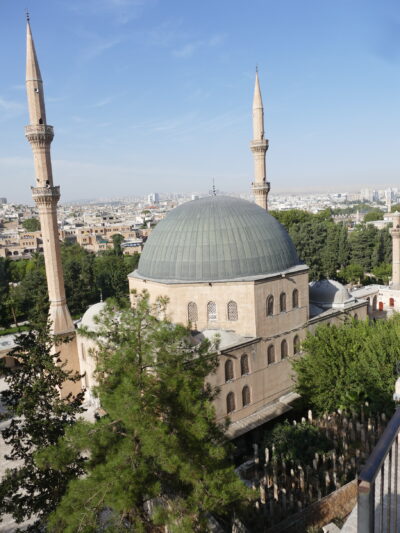
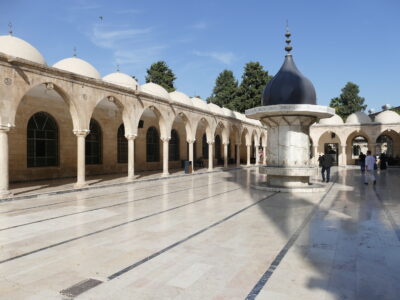
was built on the site of a cave that is reputed to be the birthplace of the Prophet Abraham
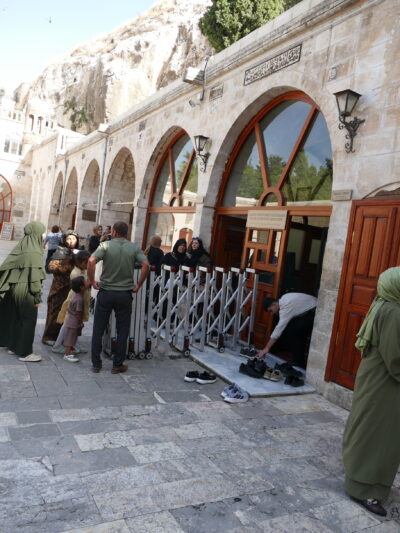
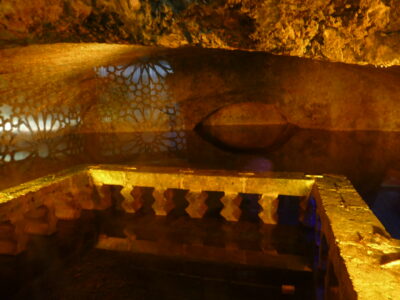
(it is said that his mother took refuge there because King Nimrod had ordered the killing of all newborn males killed after astrologers prophesied that one such boy would overthrow his kingdom). Because Abraham is revered by all three monotheistic religions, there was previously a synagogue, and then a grand Byzantine church on the site before the mosque was constructed in the 16th Century.
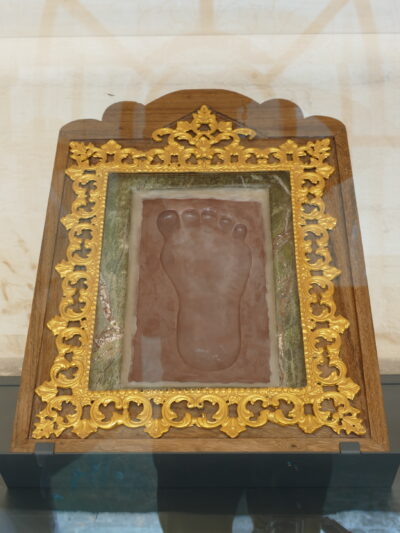
The Mosque has its own uniquely Islamic relics – a crystal glass vial
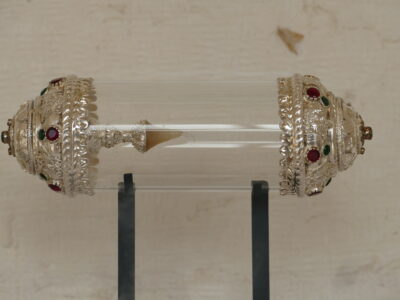
containing a hair from the beard of the Prophet Muhammad
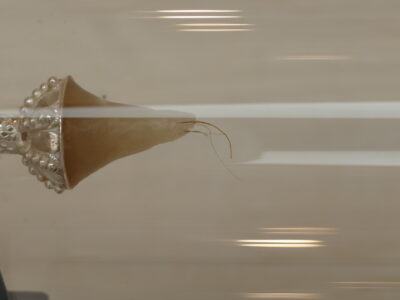
and a cast of his footprint.
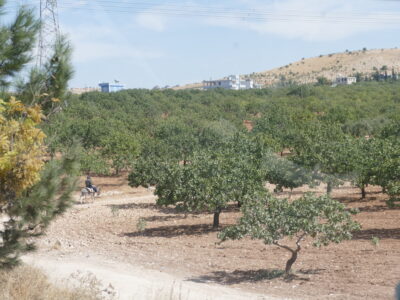
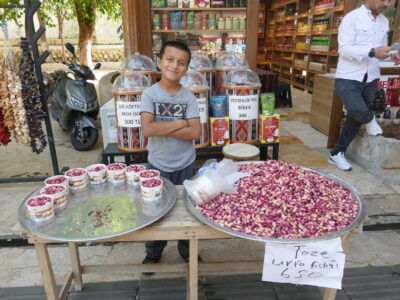
More prosaically, Sanliurfa sits at the heart of pistachio country.
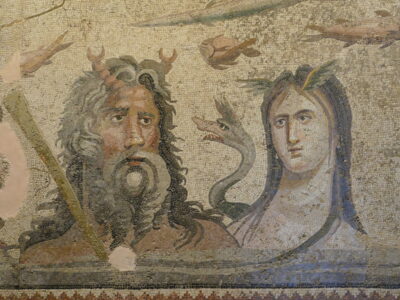
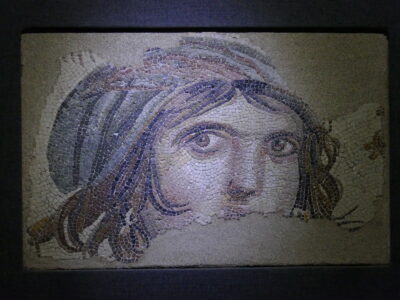
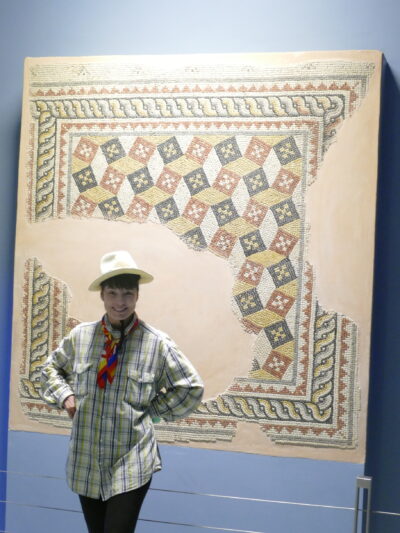
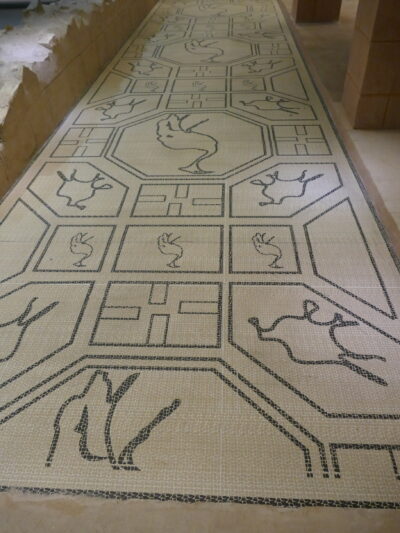
The most famous tourist attraction at Gaziantep is its Mosaic Museum.
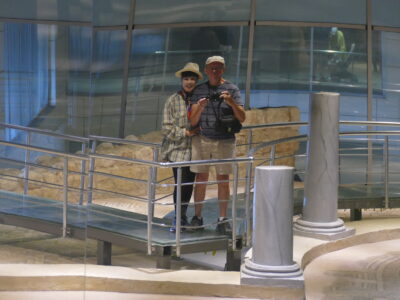
Most of the exhibits were rescued from the ancient city of Zeugma before it was flooded after the building of the Birecik Dam on the Euphrates River.
We spent three days on a beach on the north-eastern tip of the Mediterranean
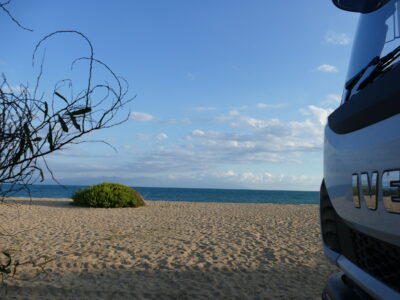
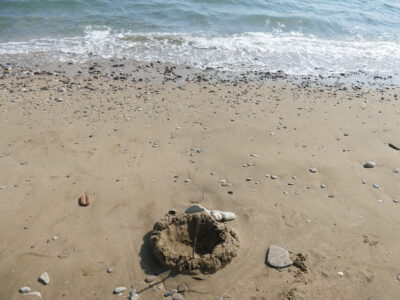
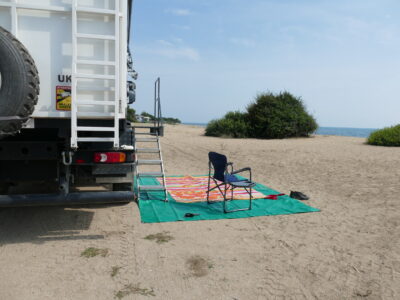
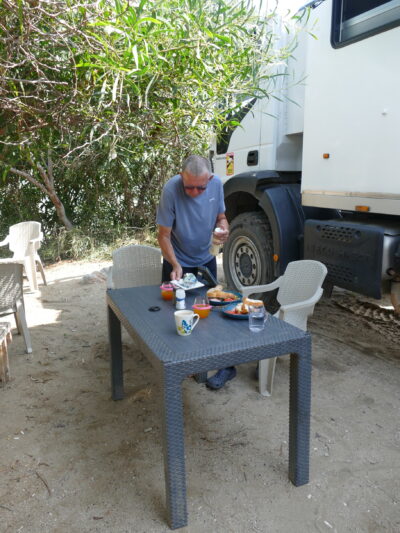
the first time we had seen the sea since we left the Black Sea coast of Georgia many weeks ago.
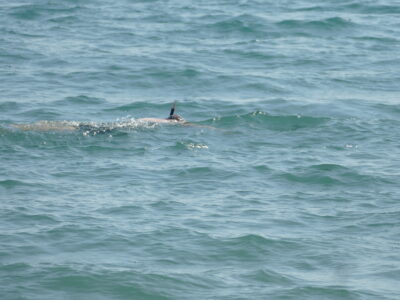
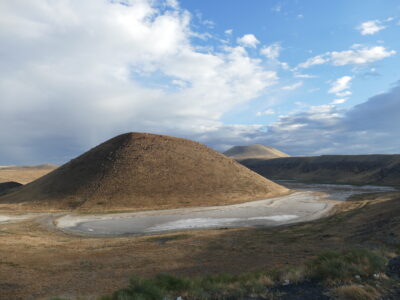
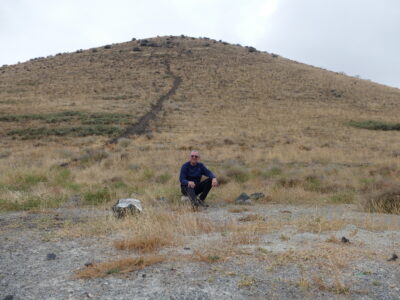
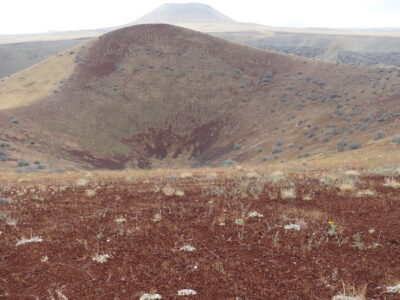
We camped for a night on the rim
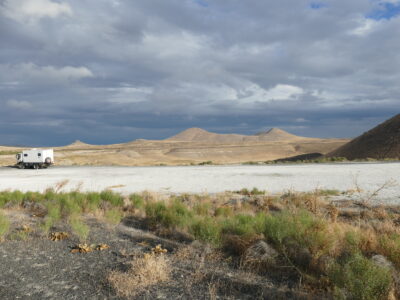
of the Volcanic Crater Lake Meke (currently dry).
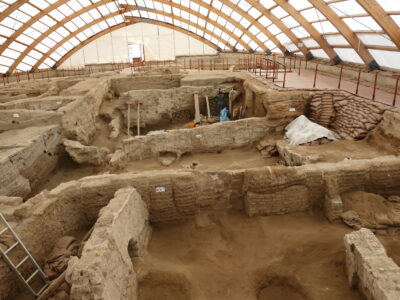
Next day, we stopped at the Unesco World Heritage archaeological site of Çatalhöyük;
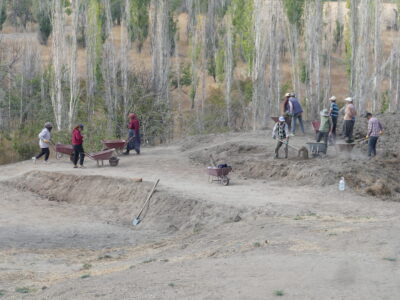
where for the past 50 years, an international team has been excavating what is believed to be one of the World’s first large urban developments – dating back more than 9,000 years to the neolithic period. The wonderful museum
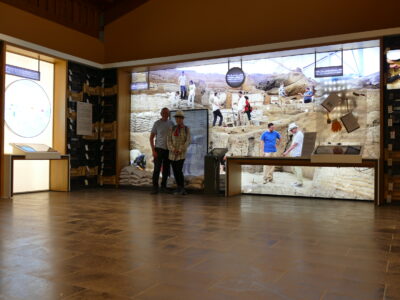
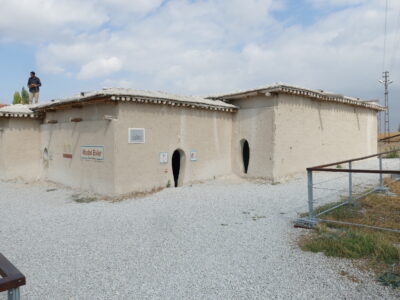
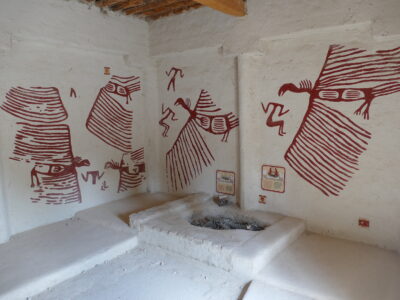
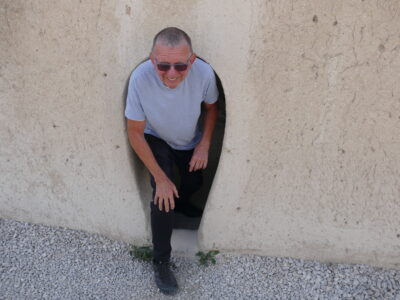
is almost as impressive as the dig-site itself.
Konya
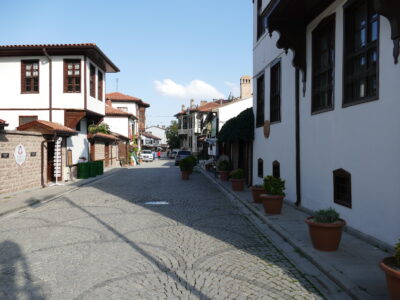
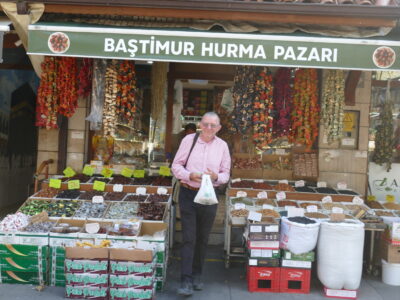
is best known as where the 13th Century Islamic Sufi mystic Celaleddin Rumi (aka Mevlana) founded the Mevlevi order
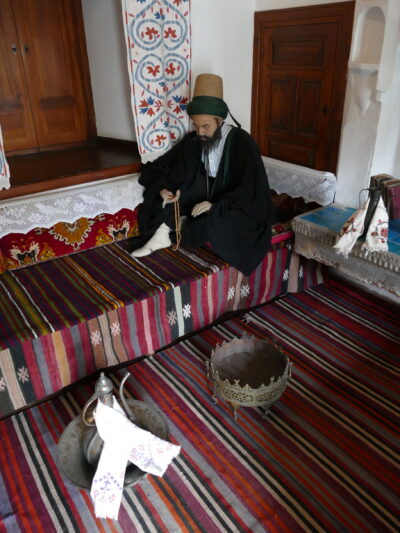
and devised the form of meditation/prayer practiced by the ‘whirling dervishes’.
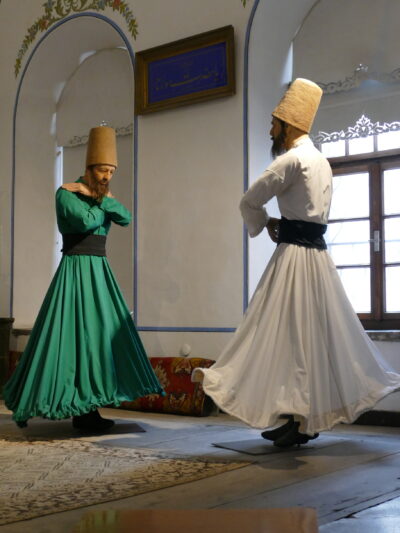
His tomb
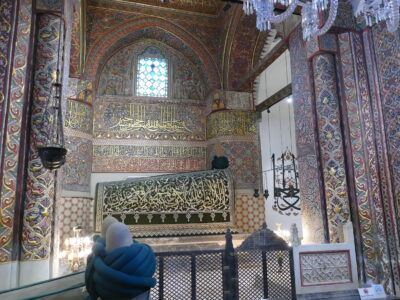
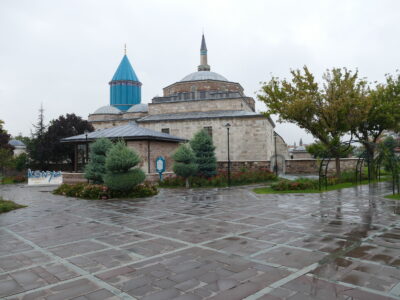
lies under the striking turquoise dome of what is now a museum complex.
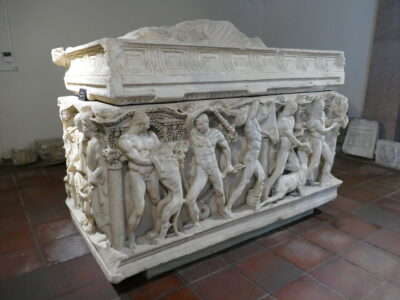
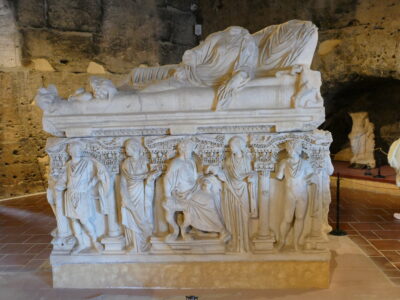
Although Konya’s archaeological museum has seen better days, it contains a few wonders; including a Roman-era marble sarcophagus depicting the 12 labours of Heracles.
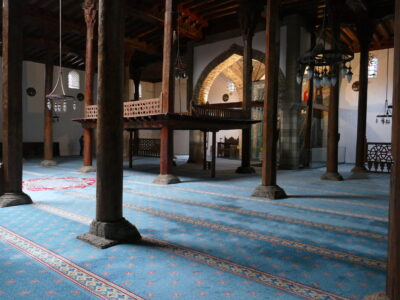
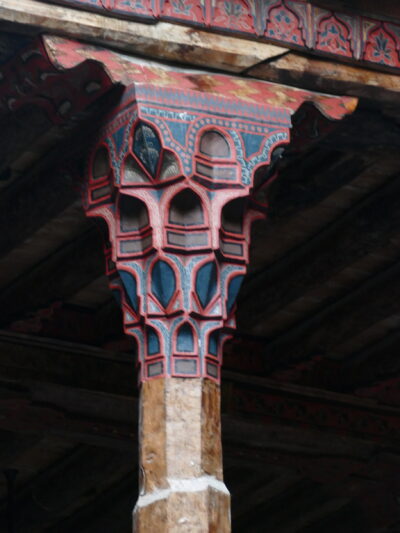
The Eşrefoğlu Mosque in Beyşehir, built in the 13th century by the Süleyman Bey,
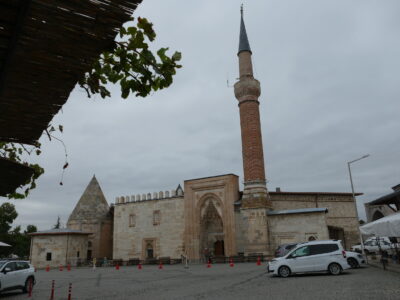
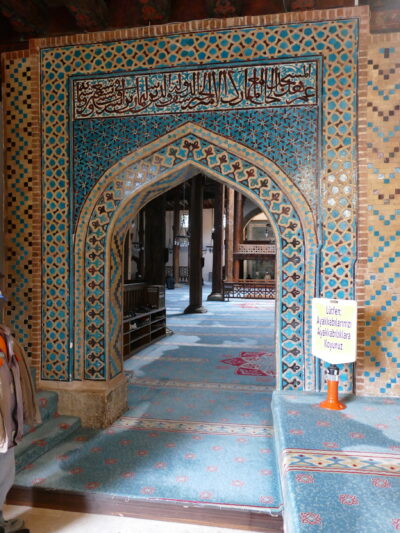
with its 42 cedar columns – is a rare wooden building from the Seljuk period.
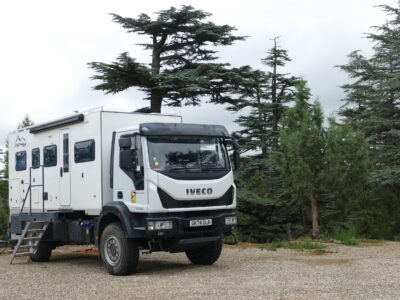
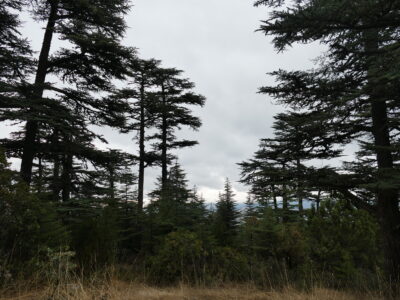
After a cold night among the cedars at Kızılda ğ National Park,
we drove around Lake Eğirdir
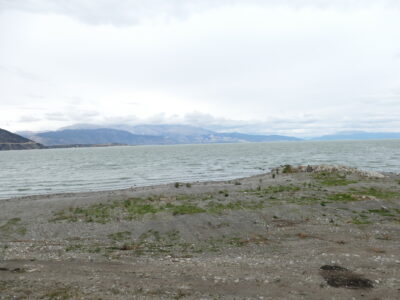
on our way to Pamukkale (Turkish for ‘Cotton Castle’). Early the next morning, we watched the hot-air balloons
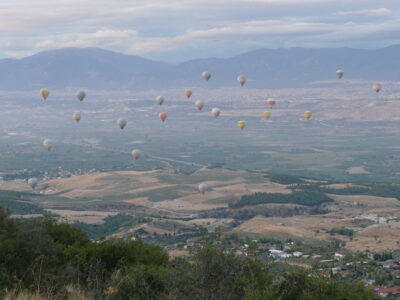
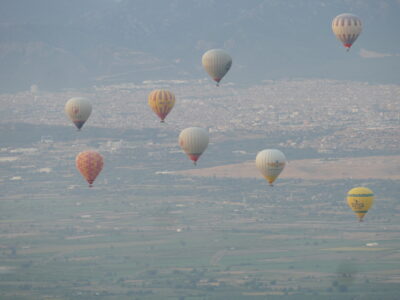
drifting across the famous Travertine terraces.
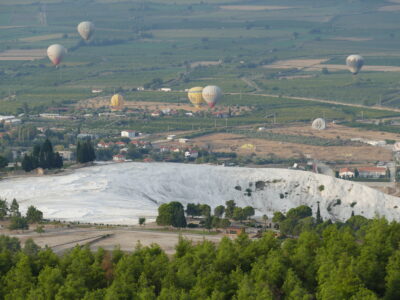
The terraces are rock formations made of calcium carbonate deposited over thousands of years from mineral-rich spring water. Closer-up, they look like snow fields.
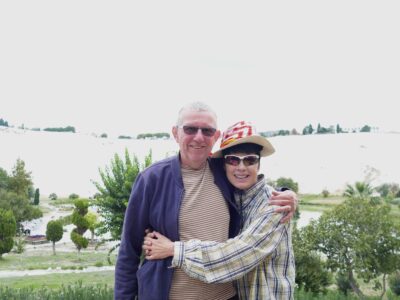
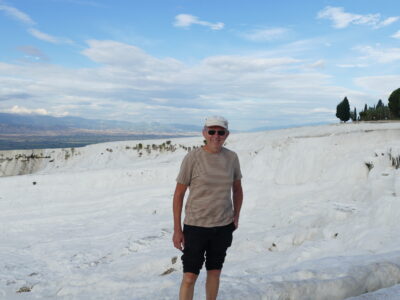
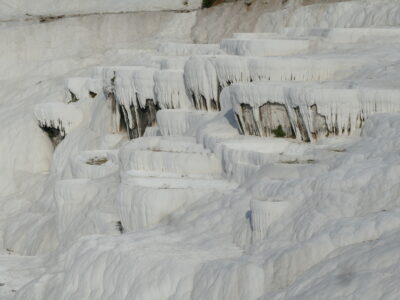
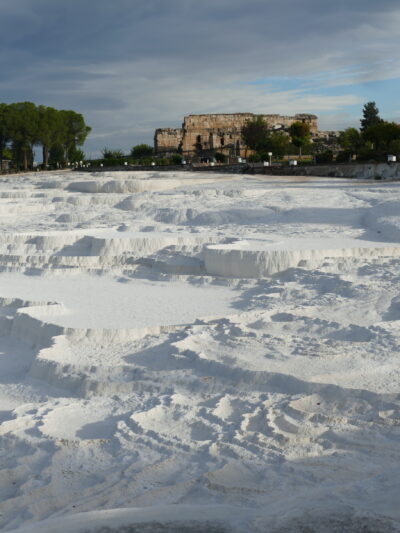
The area has been a tourist attraction for more than 2,000 years – with the Roman spa town of Hierapolis set above the terraces and thermal springs.
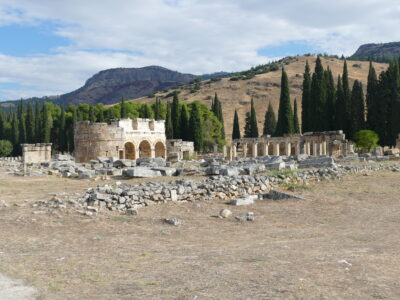
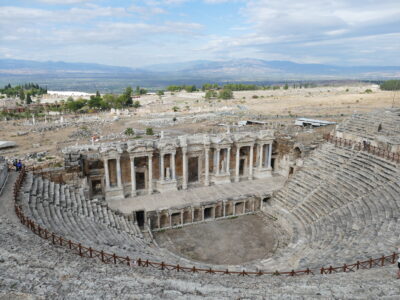
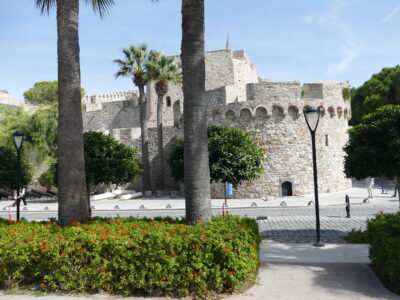
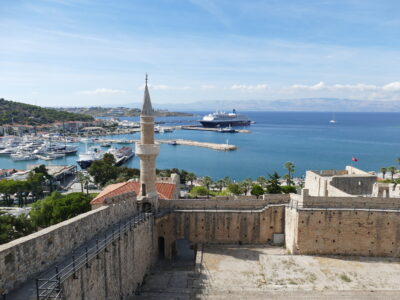
We abandoned the truck for a week’s holiday on the Çeşme Peninsula. Between long spells of sitting around, and spring-cleaning the truck, we visited Çeşme Castle,
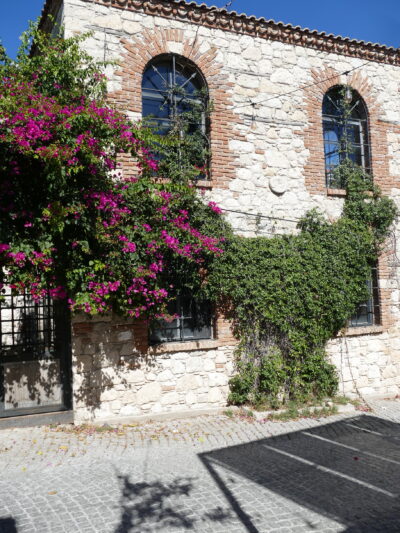
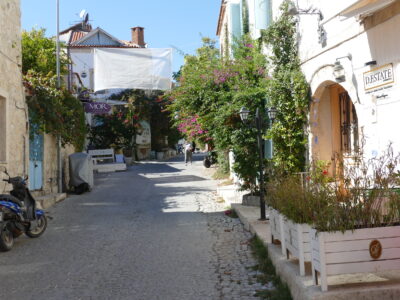
the picturesque old town of Alaçatı
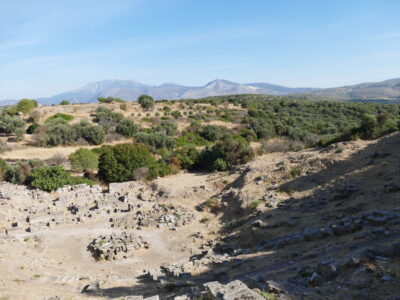
and the ruins of an ancient Ionian Greek city of Erythrai.
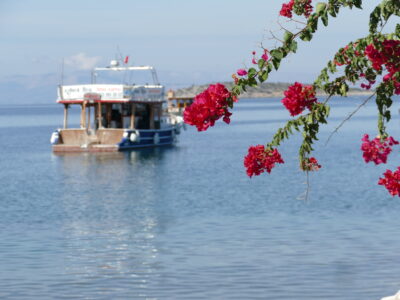
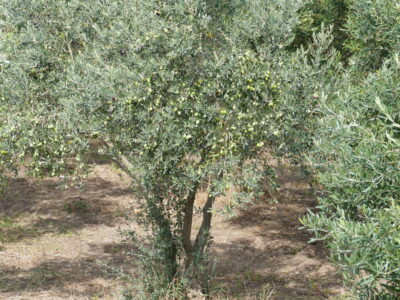
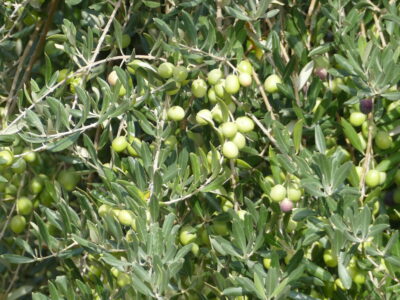
We followed the North Aegean coast for our last three days in Turkey; driving through thousands of acres of olive groves – the trees sagging under the weight of the fruit
We spent the nights on a beach,
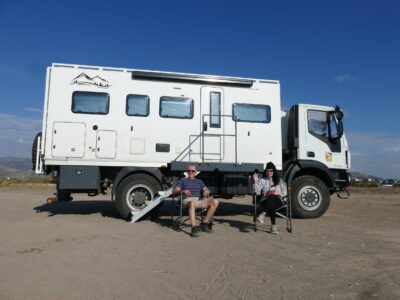
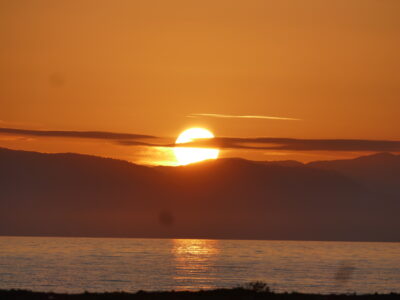
where we watched the sun set over the Greek island of Lesbos,
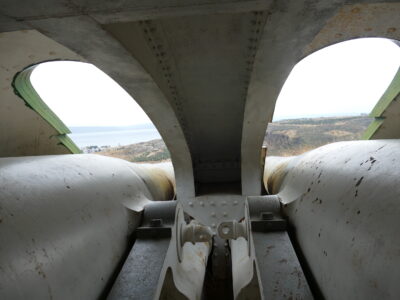
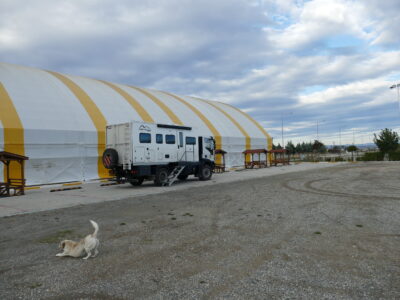
the site of a hundred-year-old gun emplacement
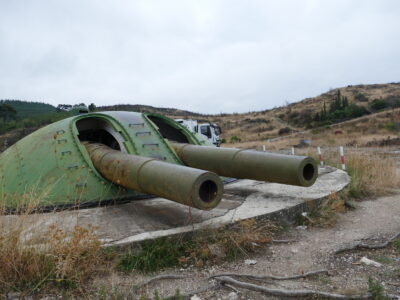
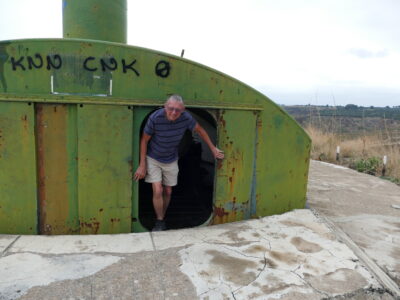
overlooking the Dardanelles
And a very large car park.
On our last full day in Turkey, we crossed the 1915 Çanakkale Bridge, the World’s longest suspension bridge, in atrocious weather,
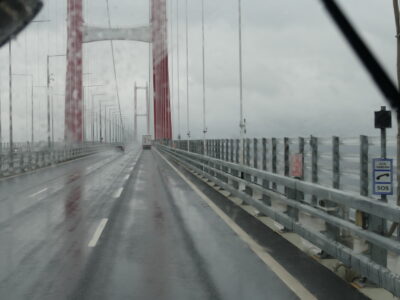
on our way to the border with Greece.
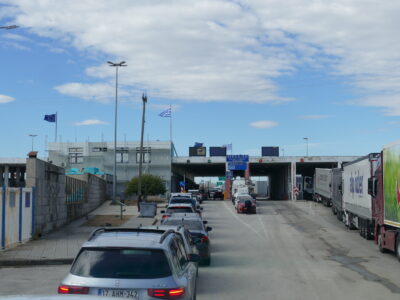
We very much enjoyed our month driving westwards back through Turkey. We succeeded in our goal of taking a different route from our 2020 trip; and so seeing many new wonders in this extraordinary country.
Danielle’s reflections
Japanese brush painting: The Raw Shelled Pistachios
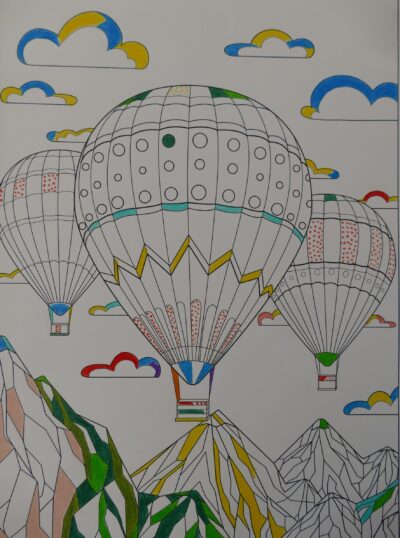
Watching the ascent of the ballons above Pamukkale was reminiscent of the ballons we enjoyed so much in Capadoccia on our trip in 2020.
I remember your tobacco tour. The beginnings of your world explorations…who thought you’d still be doing them 50+ years on?
Fantastic picture of Mount Ararat and it’s interesting to hear the area attracts film crews.
Enjoy your time exploring the areas you missed last time.
Ces villes et ces sites que vous avez visité sont magnifiques et nous les adorons .
Au plaisir de vous retrouver sur la route .
Very glad to see that Danielle’s out of prison, and that her shirt fills the gap of the rescued Zeuguma artwork 😀
What an education you’re both having!
We’re all learning by proxy. Ancient worlds, past civilisations, stunning scenery.
Back home, we’re still sunny and warm, but Autumn beckons.
xxxx
So much fascinating archaeology and religious history to discover. Pleased you were able to enjoy time relaxing by a beach. The photos of the local produce look very appetising, and watching the hot air balloons must have been very enjoyable.
Fabulous photos, a record of great exploration.
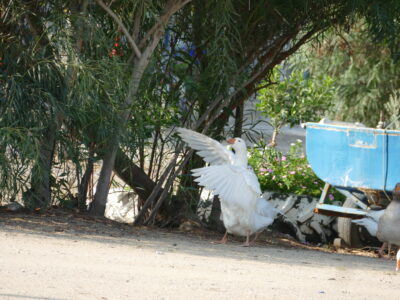
What was that goose doing??
Siân xx
Coucou les amis ,
Est-ce que vous allez visiter Ephese ?
Nous serons sur la plage aujourd’hui où nous pouvons dormir .
Aahh – back in wonderful Turkey! (and in the right season for quince dessert, like you were last time) I remember that in Pamukkale you could experience the warm spring waters simply by stopping the car on the side of the road and walk into the pools, I was wondering if you still can, but I think it looks like it, from your photos. No tedious ticket-buying! It is good to see all these places again. And the dervishes, although at the time I had no idea what they were all about. Enjoy the country, and all it has to offer!
Love from Anna & Hugh
Les photos sont magnifiques! La température est agréable et toujours ensoleillée!
Pleased you had a lovely time in Turkey.
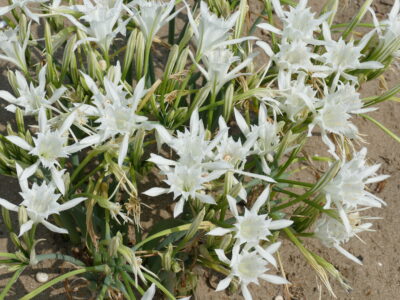
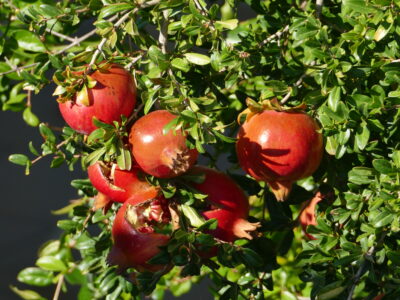
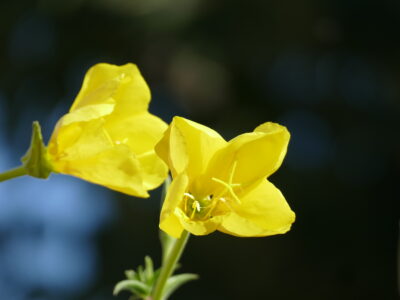
The photos of the local flowers and abundant fruit shows it’s a beautiful part of the world.
Enjoy your time in Greece.