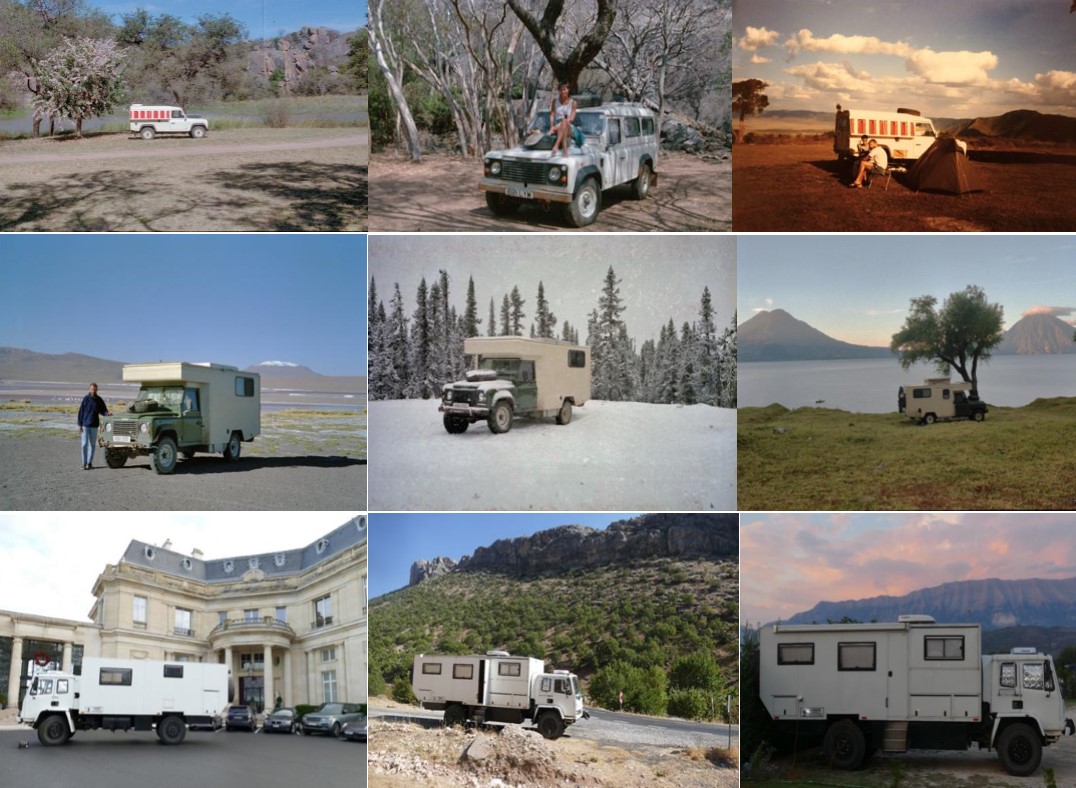
Overnight stops (in date order): Koper, Savudrija (x4), Ogulin; Stobrec (x6); Podstrana (x142)
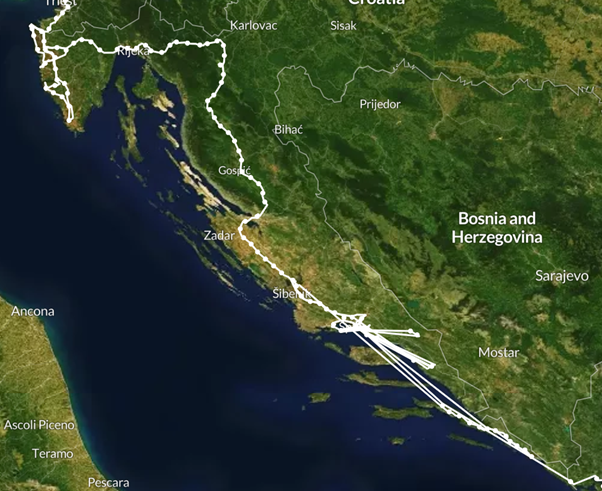
After a long day’s drive from Tuscany, we crossed the border into Slovenia – spending a single night/morning in the coastal town of Koper; whose church and palace were built when the area was controlled by the Venetians.
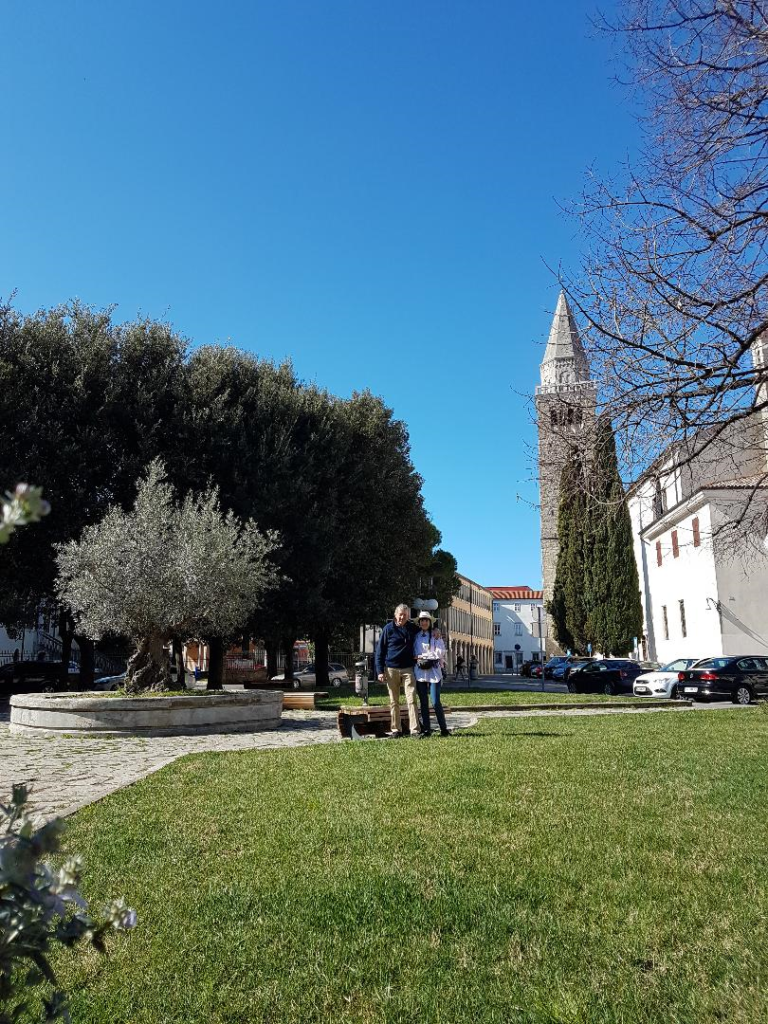
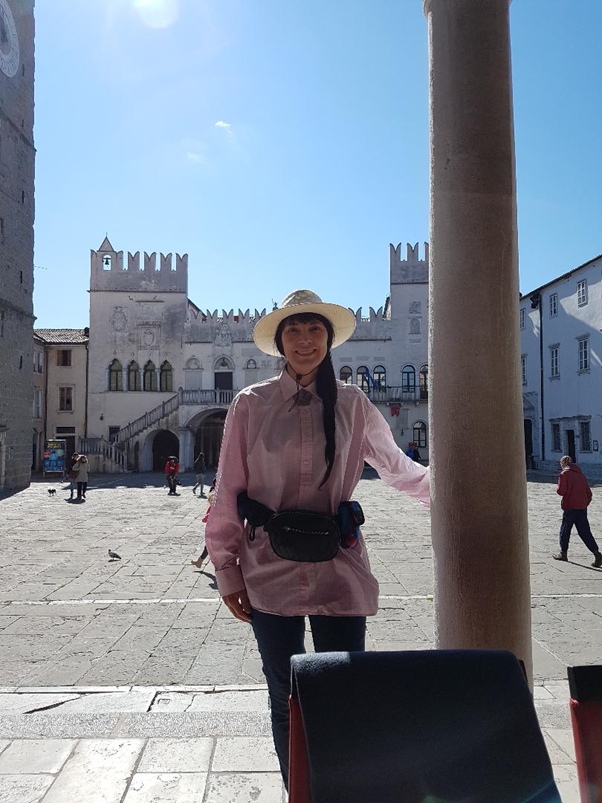
Slovenia has just 47 Km of coast; so, next day, it was a short hop into Croatia.
We stayed four days near the lighthouse at Savudrija –
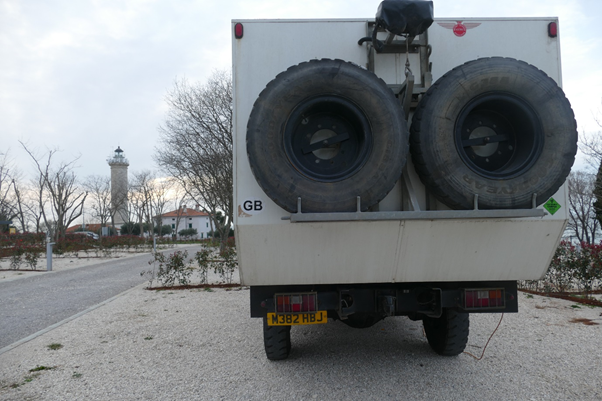
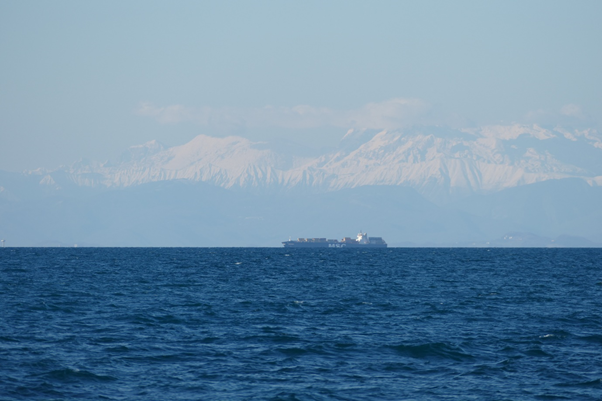
on the north-eastern corner of the Istrian peninsula. We had views of the Alps across the Gulf of Trieste – the northern end of the Adriatic.
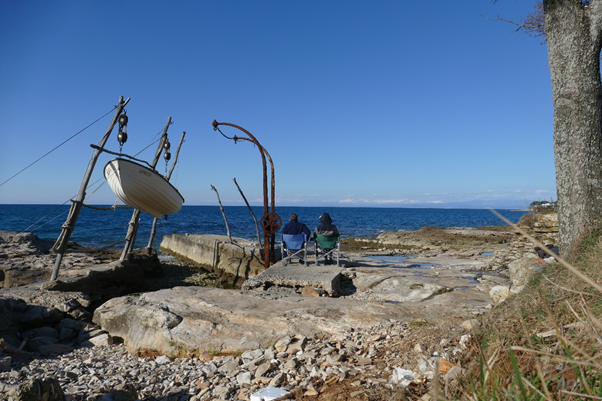
We used this as a base from which we visited the sights of the Istria.
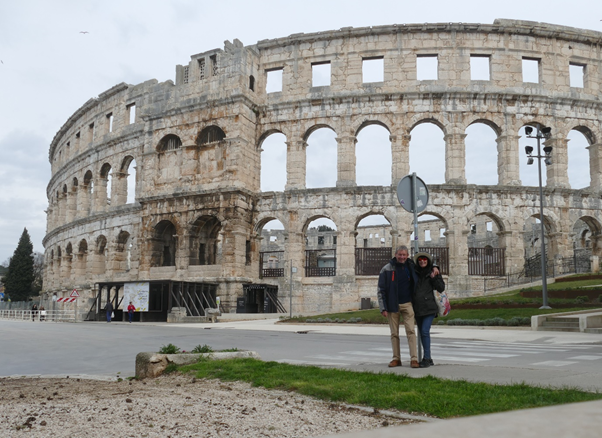
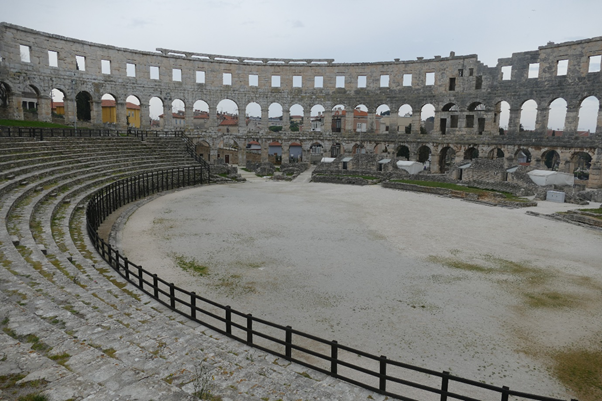
Pula, on the southern tip of the peninsula, boasts some impressive mementos of its time as a major town in Roman times – the Temple of Augustus
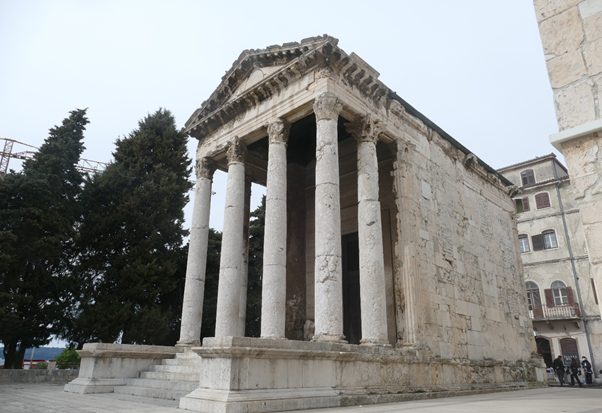
and one of the world’s best-preserved ampitheatres.
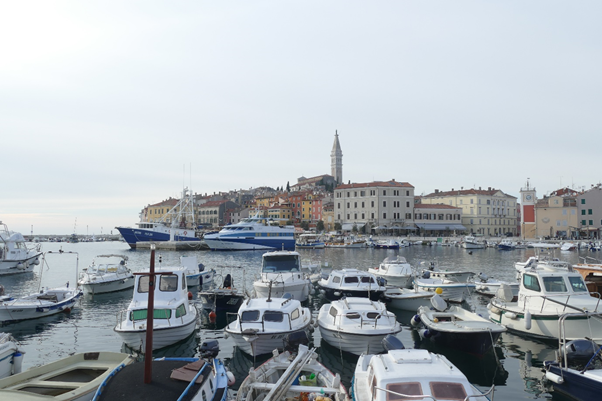
The church of St Euphemia overlooks the fishing port of Rovinj.
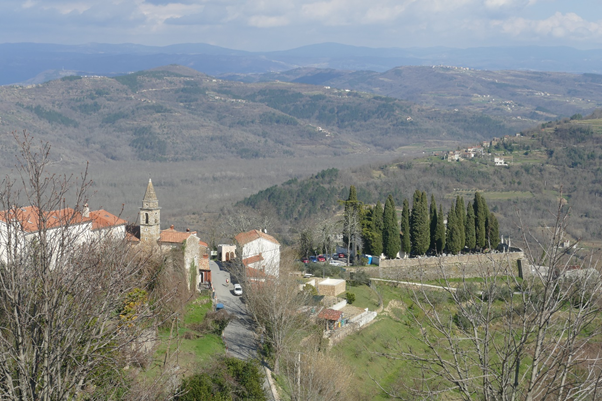
The medieval hill-top town of Motovun
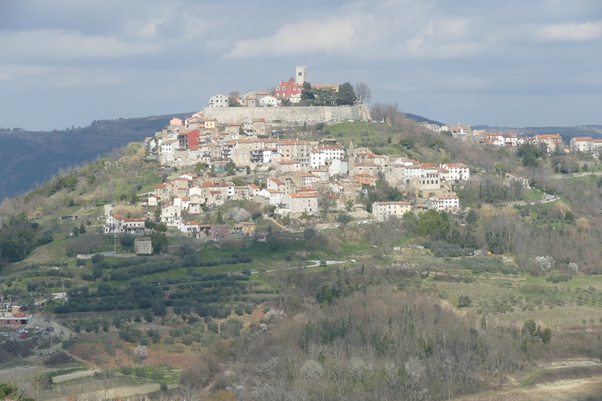
has wonderful views across central Istria.
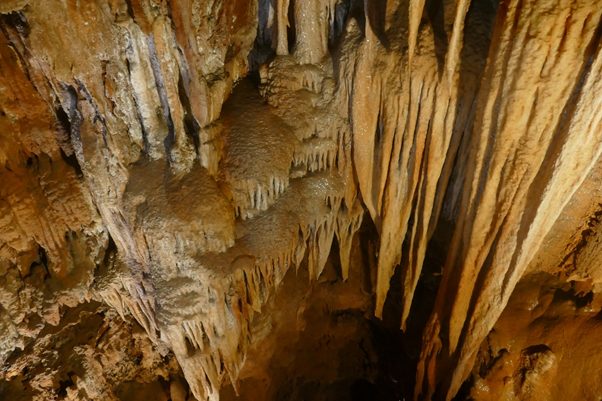
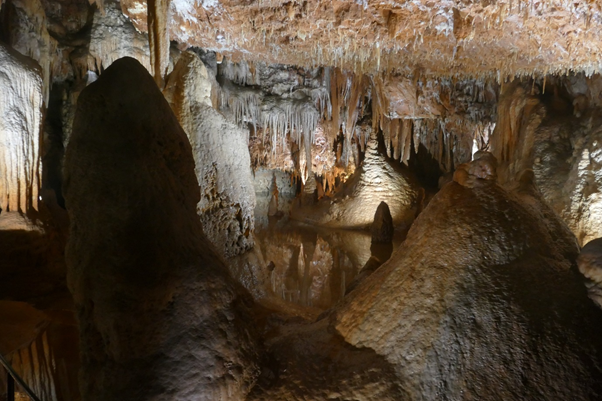
In the Baredine caves,
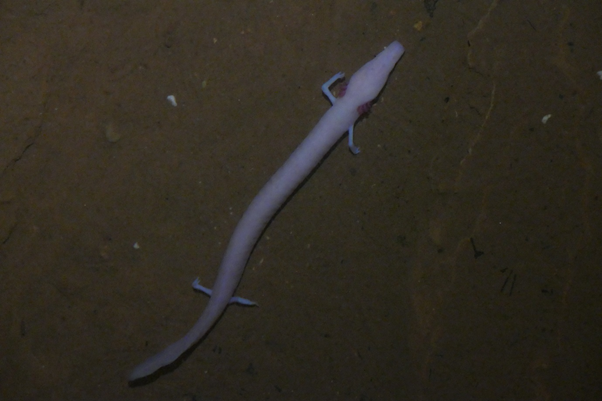
was a creature that I never thought I would see – the Olm!
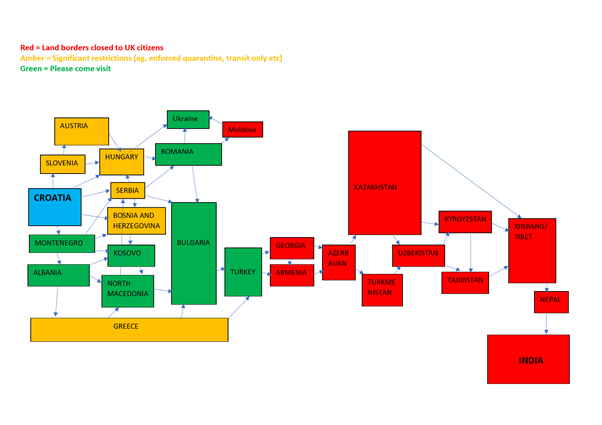
One-by-one, the five neighbouring countries closed their borders – leaving us marooned in Croatia.
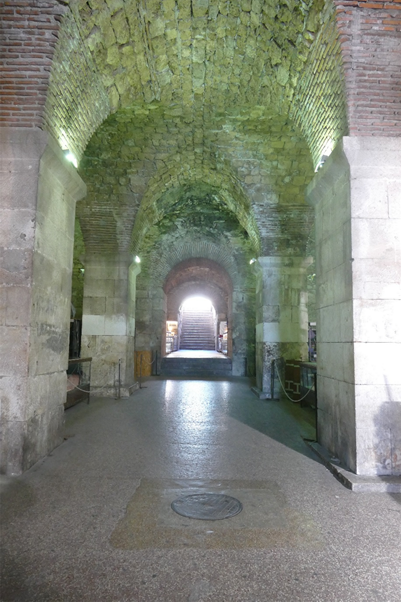
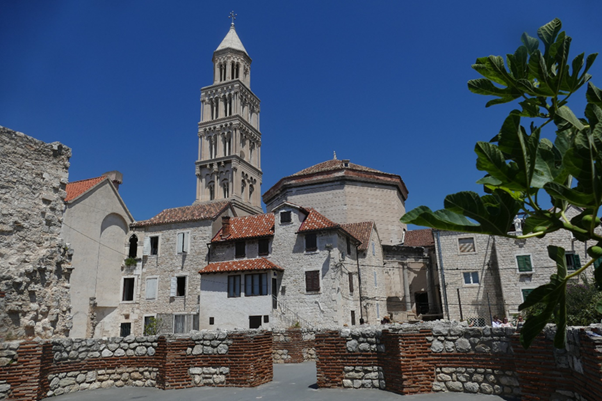
We moved south down the coast to Split – where the city was open to tourists, but very quiet. We had the palace of the third Century Roman emperor Diocletian,
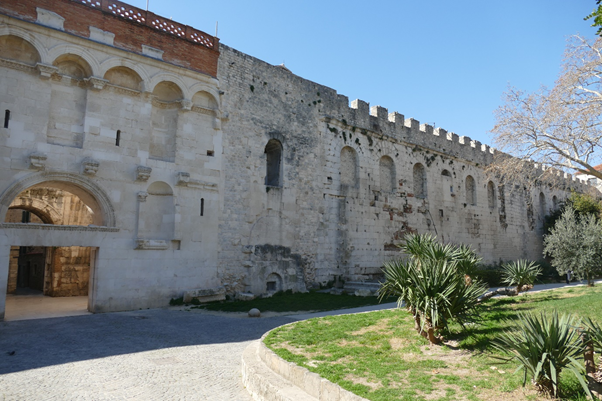
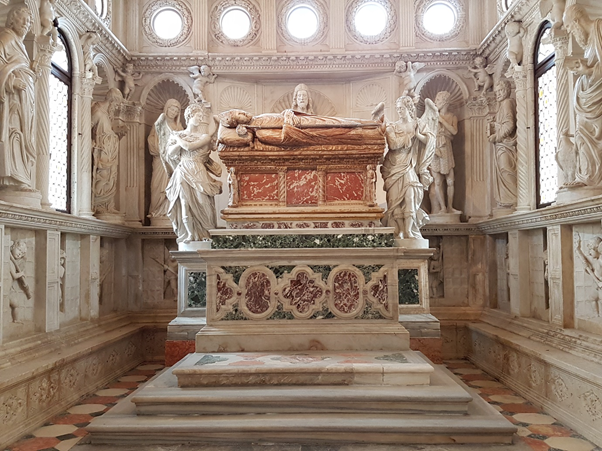
his mausoleum –
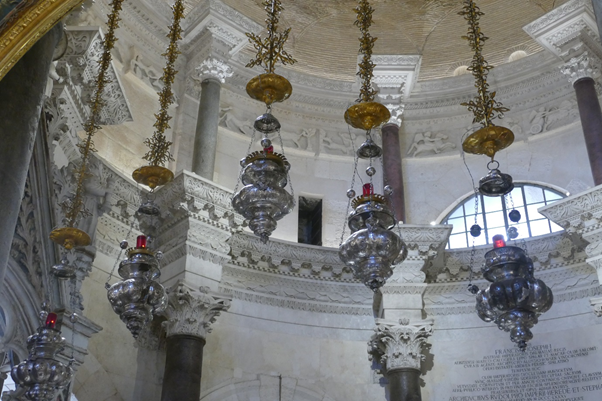
which is now a cathedral –
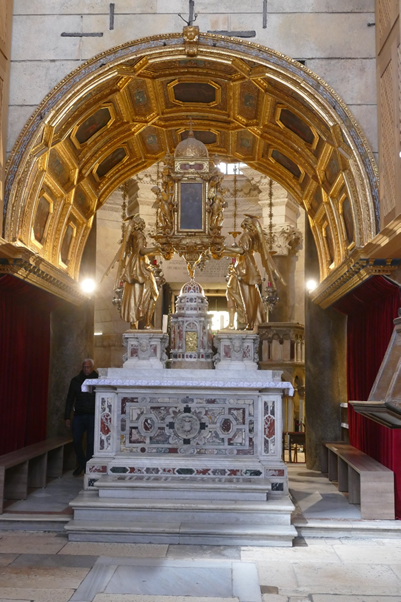
and the Temple of Jupiter
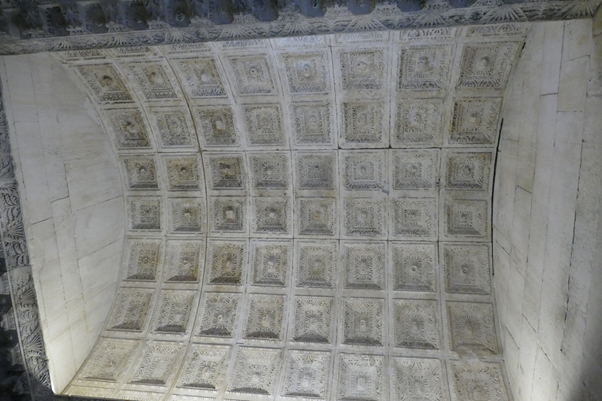
almost to ourselves.
That was the last of our sightseeing – for now at least.
As restrictions on movement were ramped up, we settled into life on the beach where we were camped; six miles south of Split.
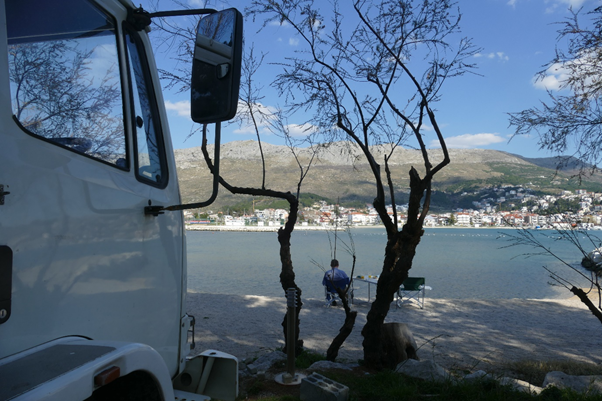
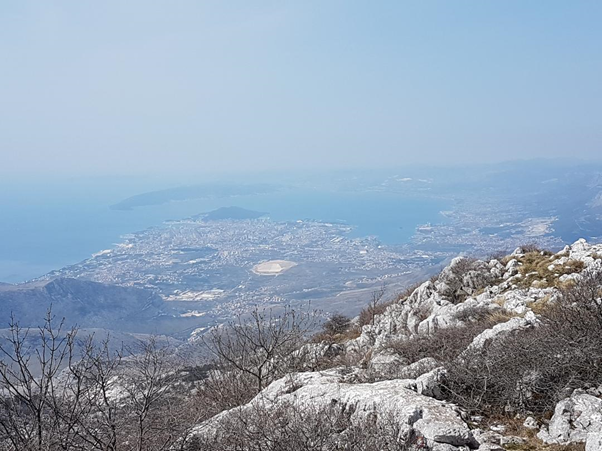
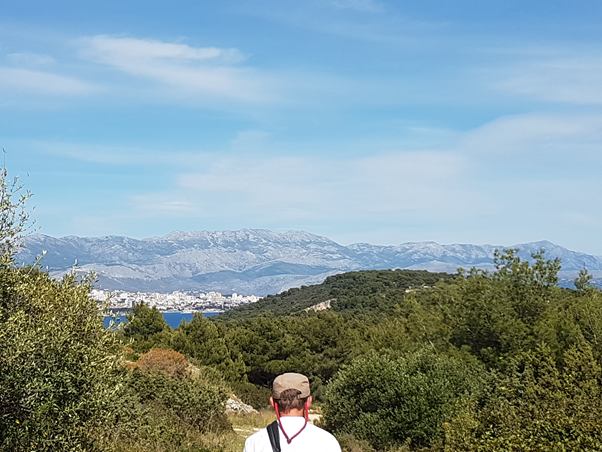
The rules on social distancing permitted a solitary hike in the Mosor mountain range – with wonderful views;
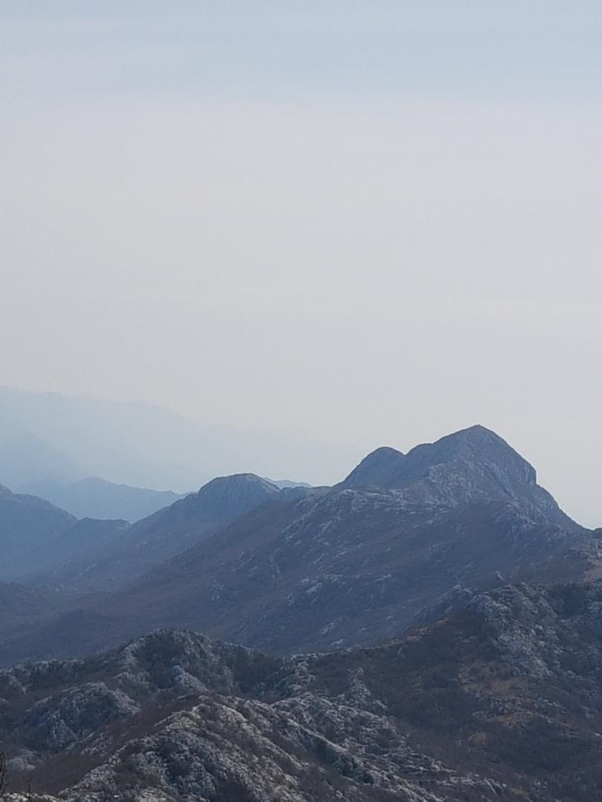
including a panorama of a distant Split.
When it became clear that Croatia was heading towards lockdown, we moved across the bay
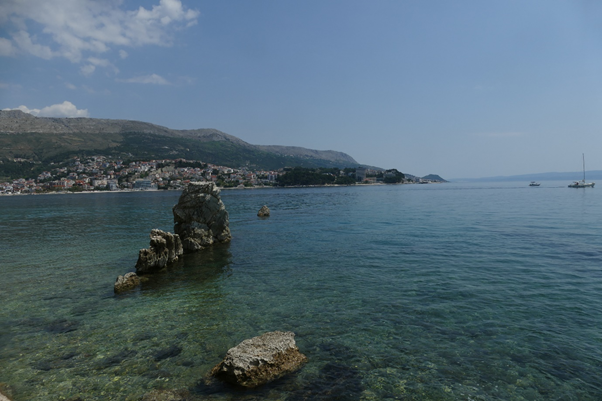
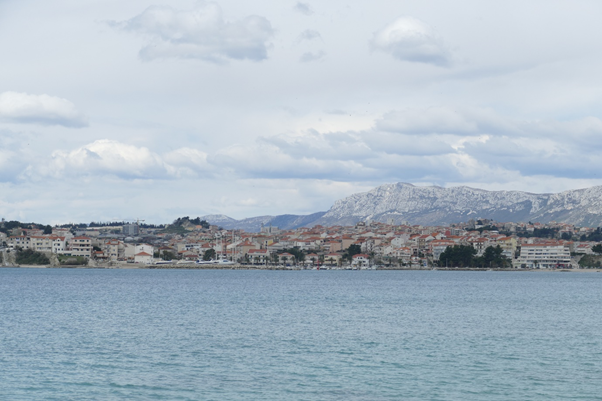
to an apartment, with more space, next to the sea-front
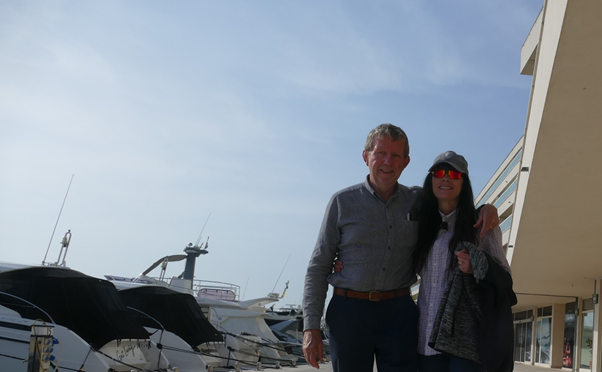
and with access to secluded grounds. As far as we can tell, we are the only residents.
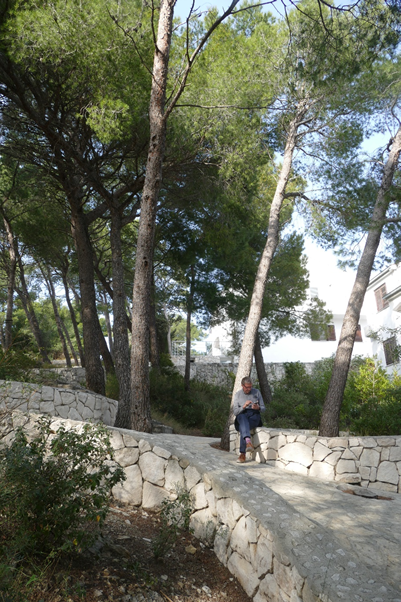
Croatia’s approach to the pandemic has been to close all but essential shops, ban gatherings, enforce social distancing and prevent people from leaving their ‘place or residence’ – for us this is Split and its surrounding area.
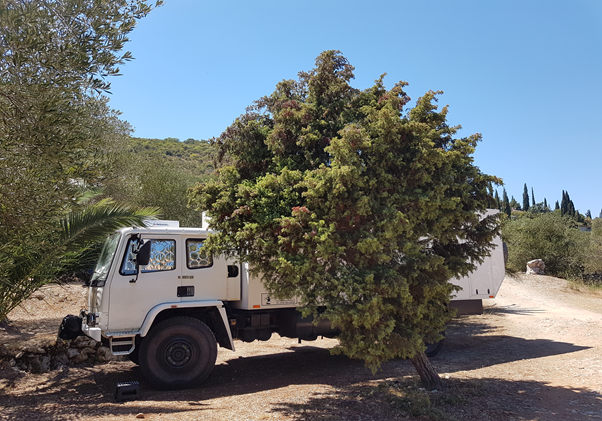
Although we would rather be on the road – by now, we would have hoped to be in Albania or North Macedonia en-route to Turkey – we cannot complain about our situation. The truck has a home;
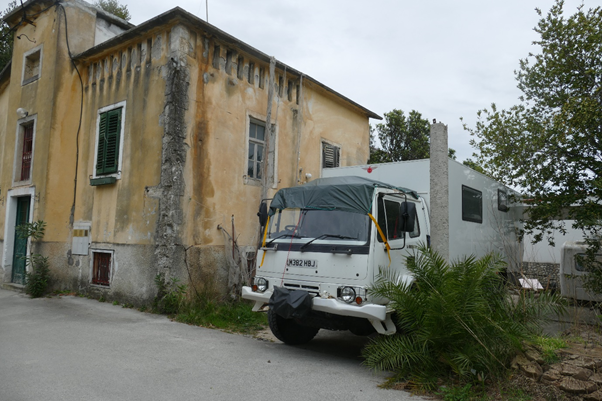
and we have free access to this stretch of the beautiful Adriatic coast.
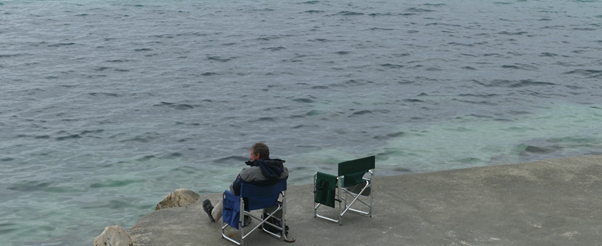
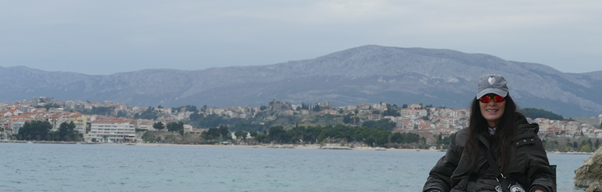
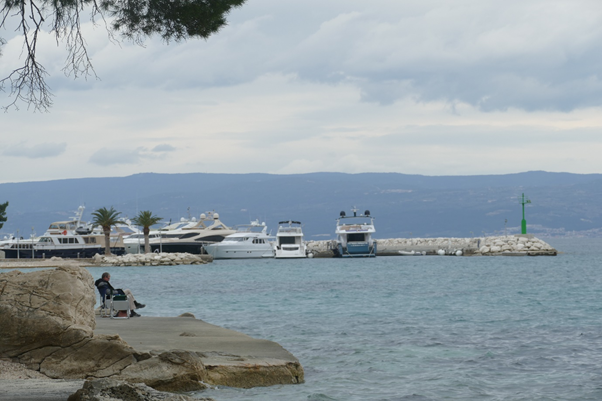
We can exercise on the seafront
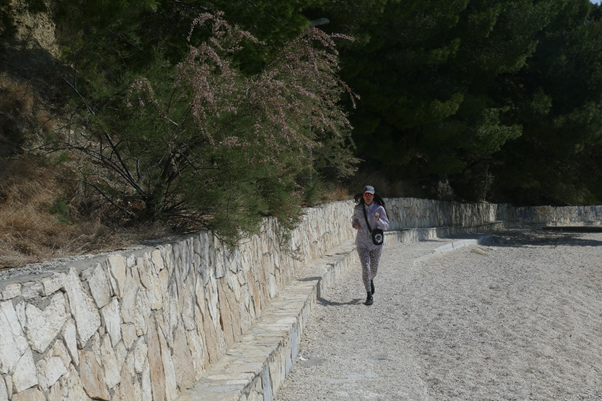
or in the hills overlooking Split.
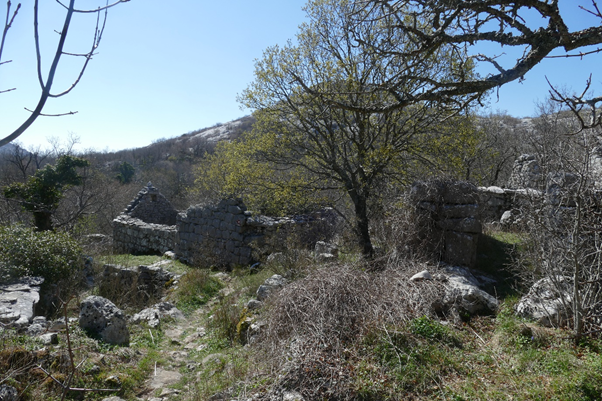
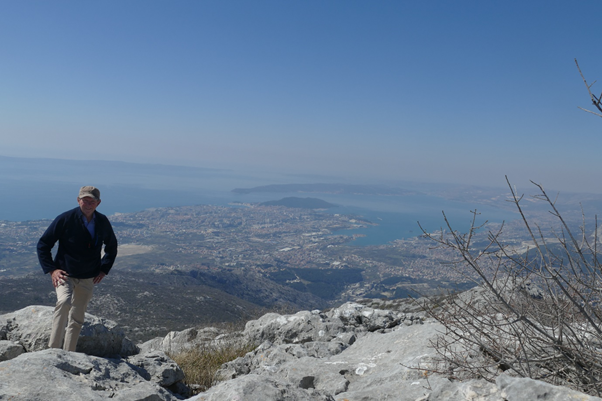
We have wonderful views from our balcony;
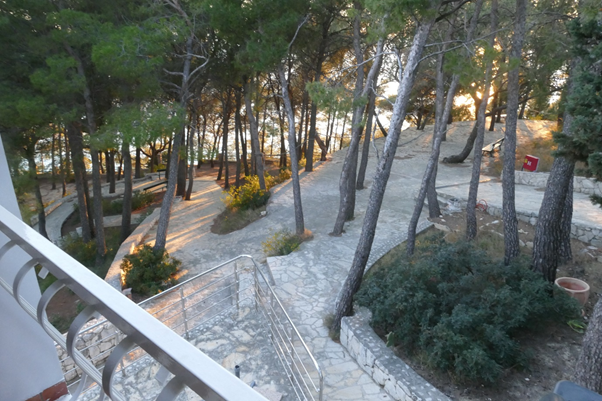
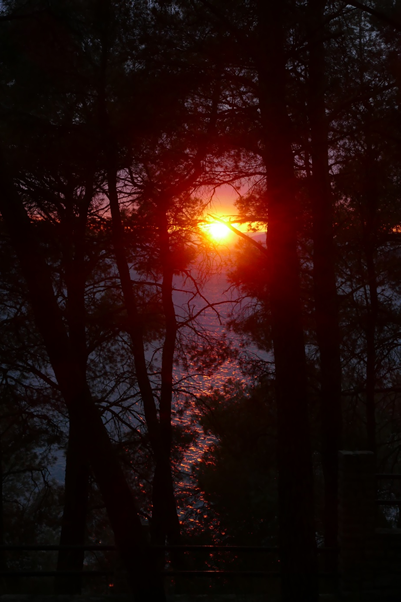
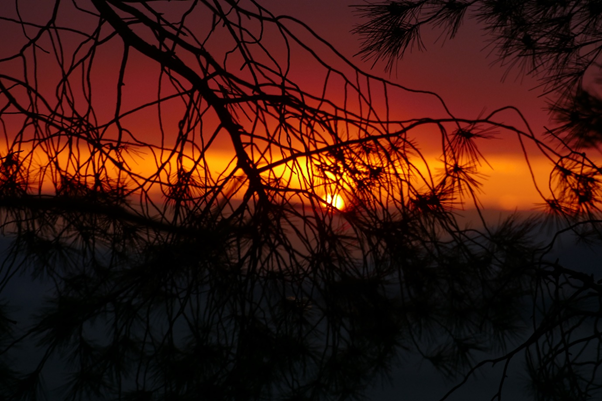
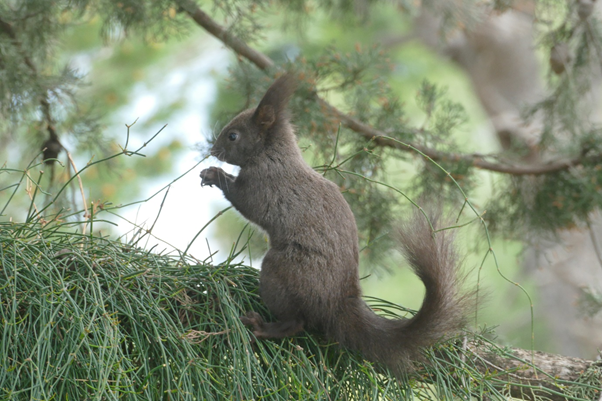
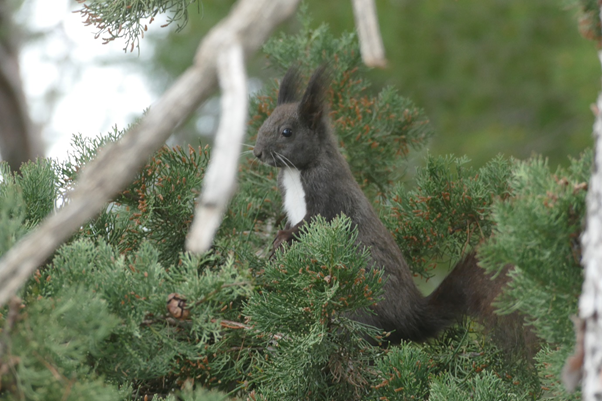
and even the occasional visitor!
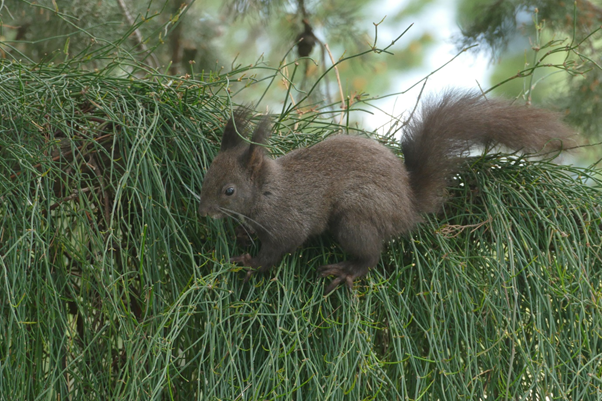
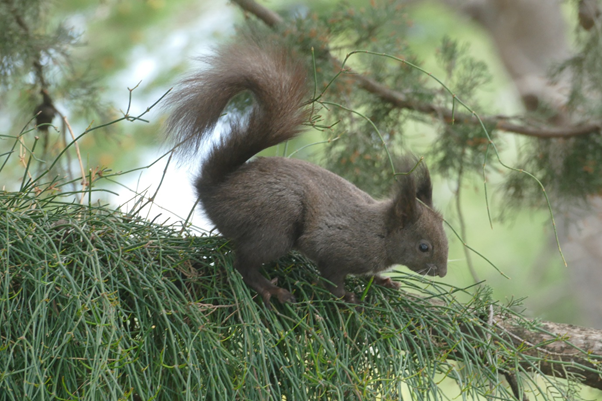
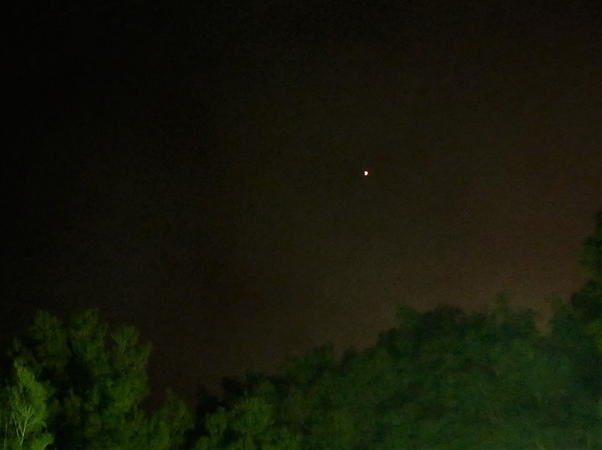
In early April, Venus was particularly bright in the night sky from our balcony.
As Spring progresses, and the days warm,
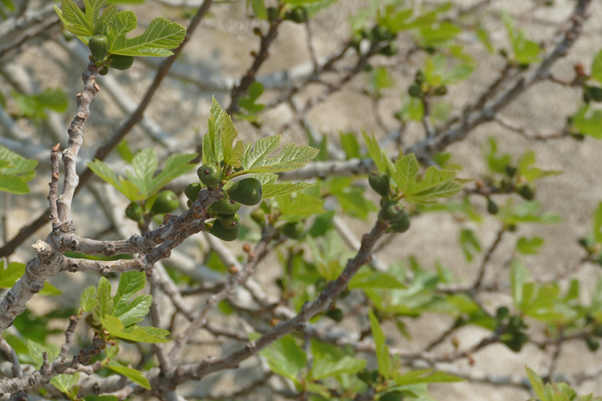
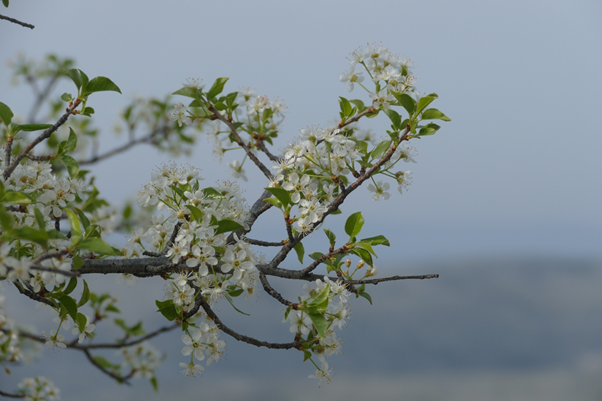
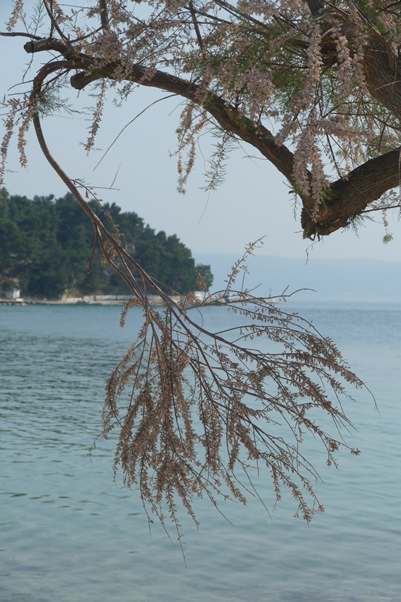
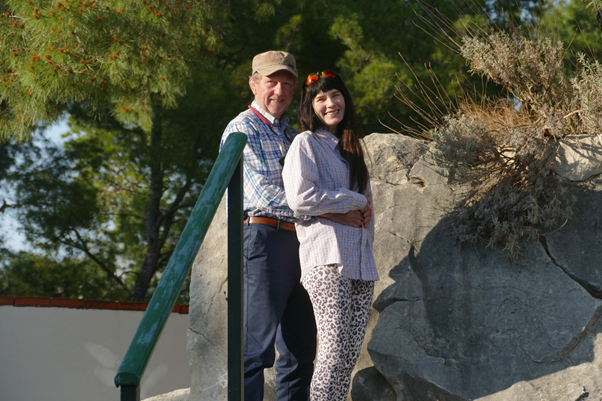
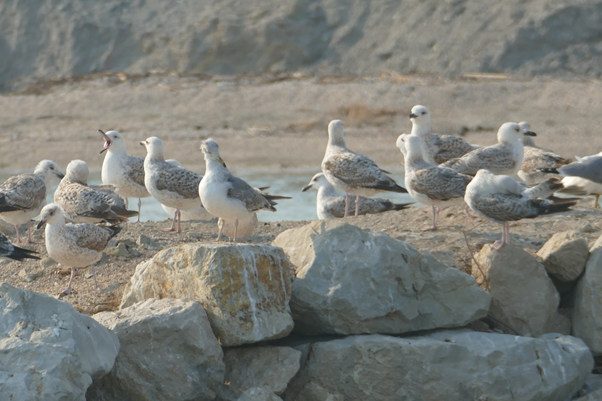
we are surrounded by life.
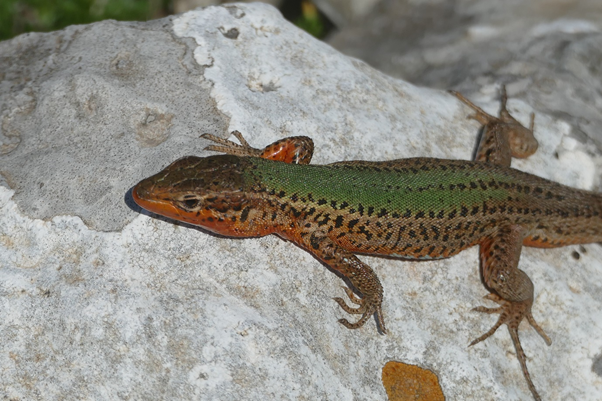
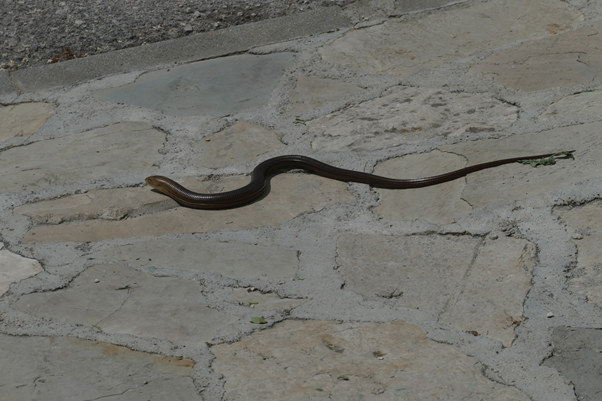
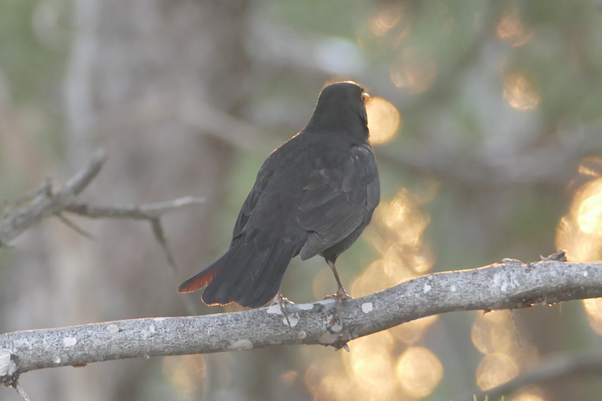
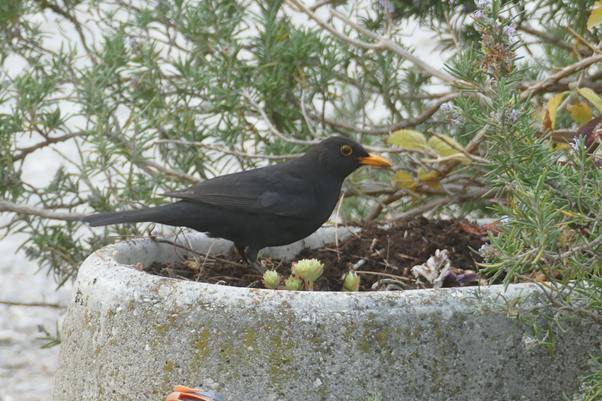
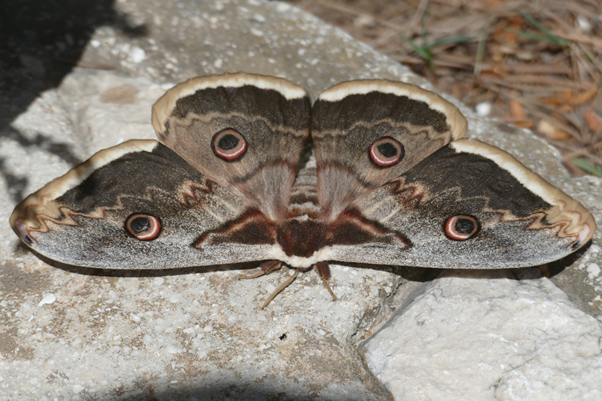
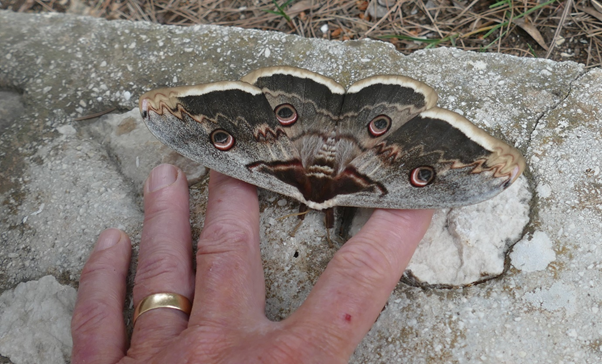
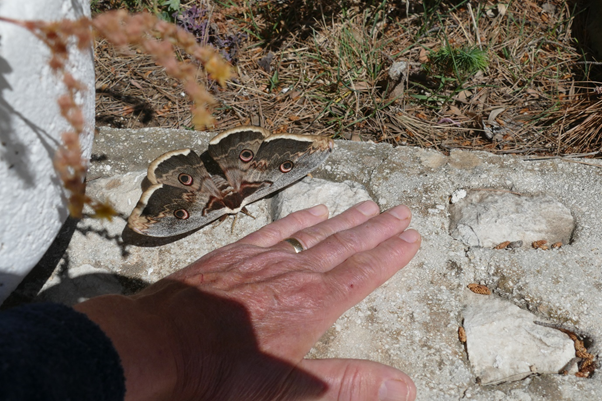
The last picture is of the largest European moth – the giant peacock.
The glades in the hills
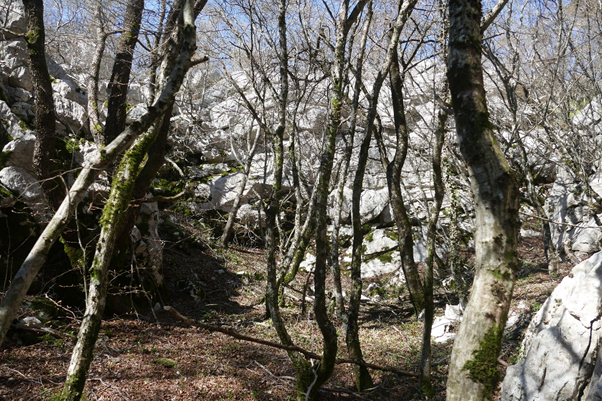
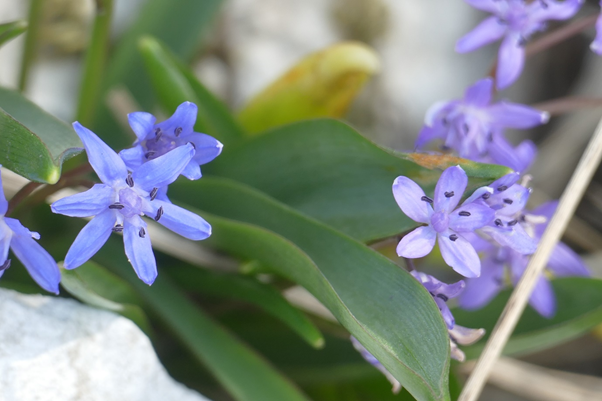
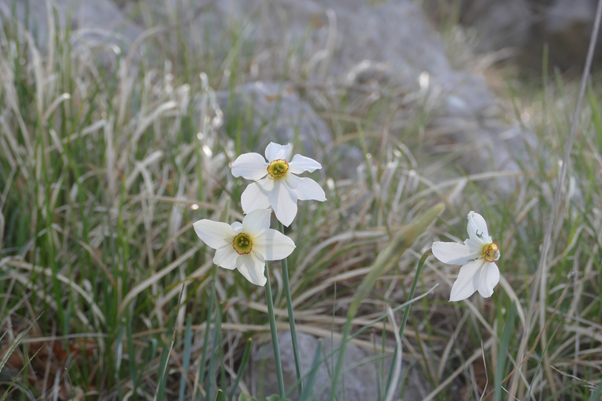
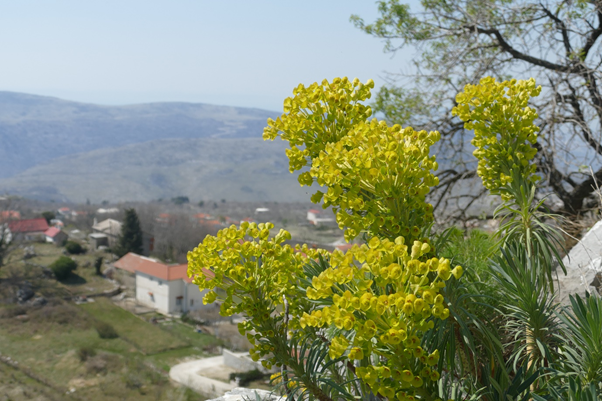
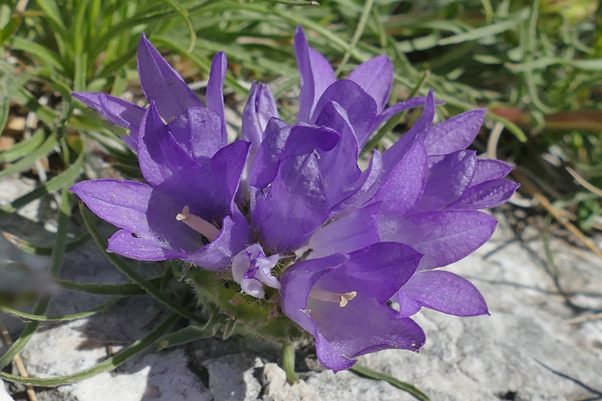
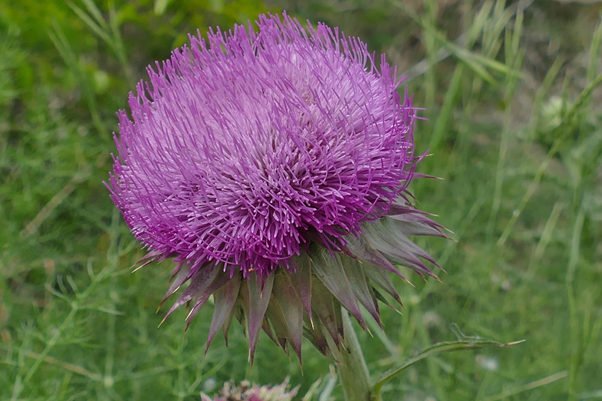
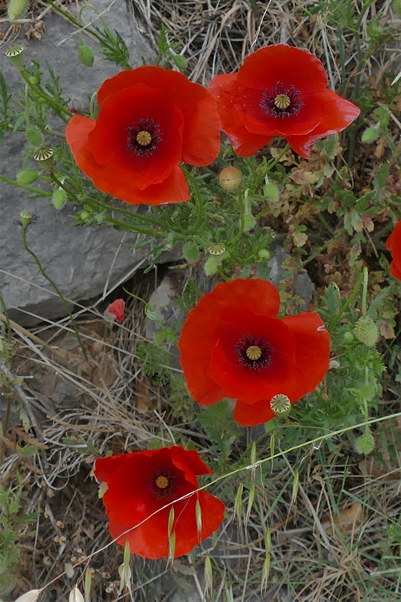
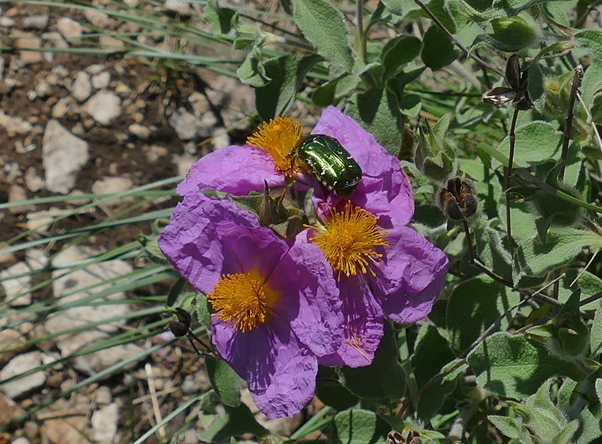
are sprinkled with wild flowers.
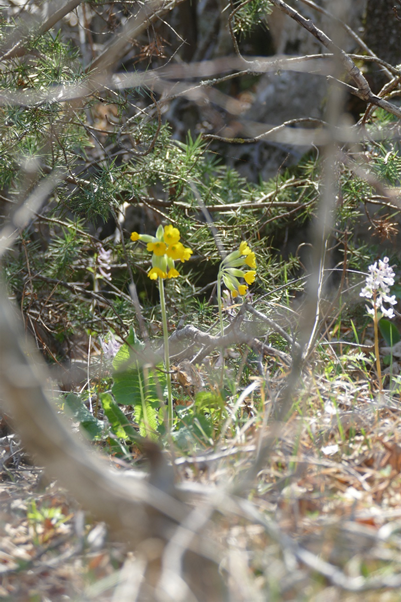
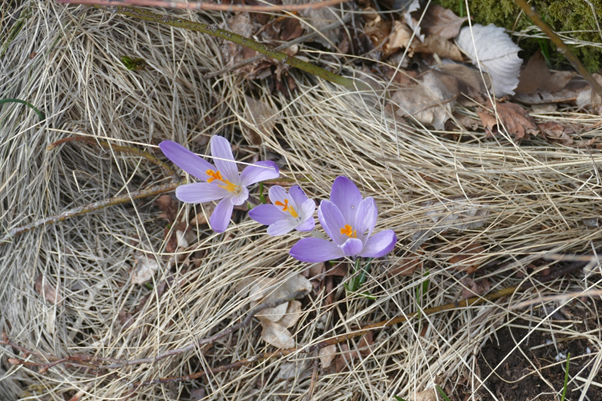
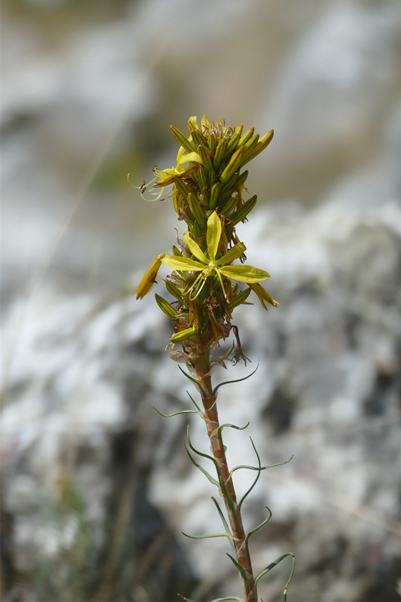
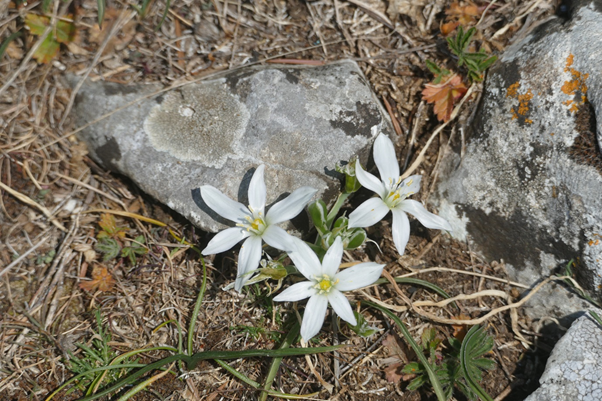
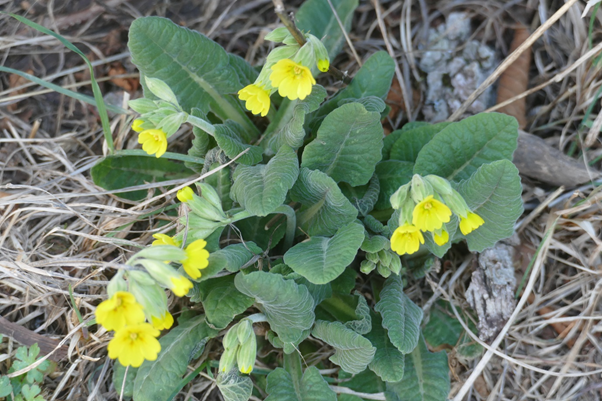
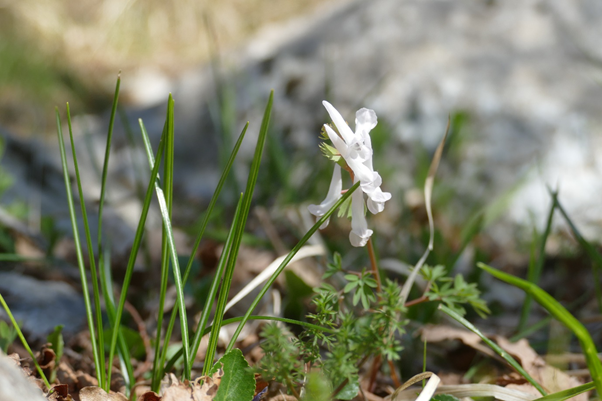
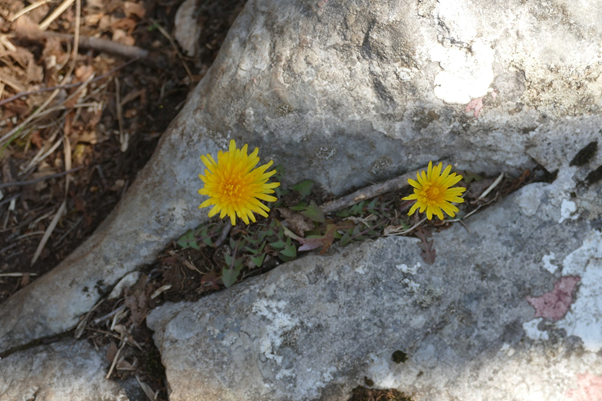
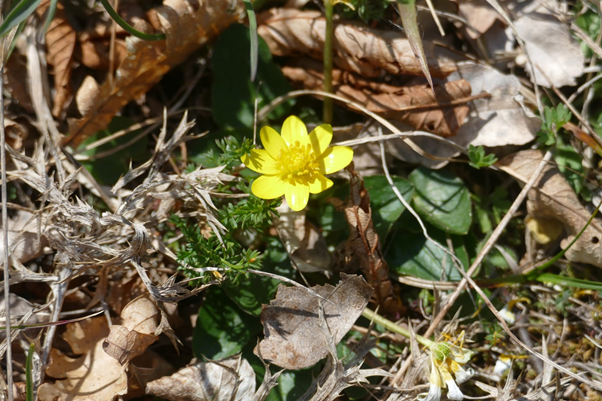
Inevitably, food and drink have been featured prominently in our life in lockdown.
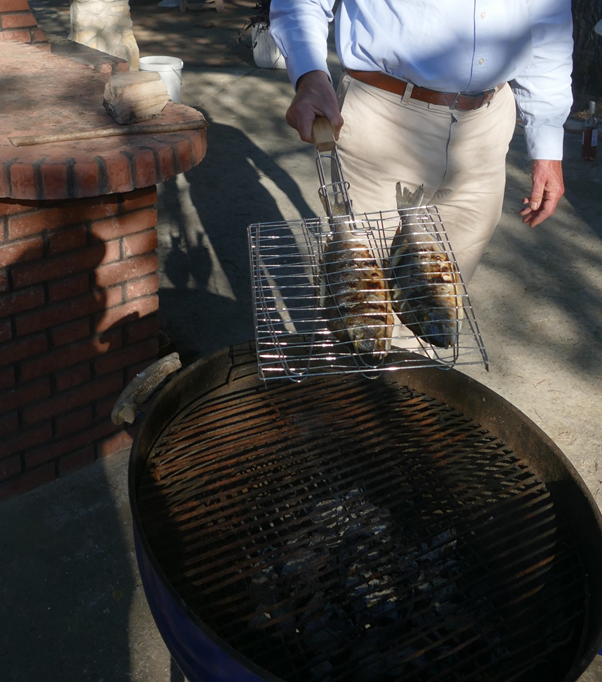
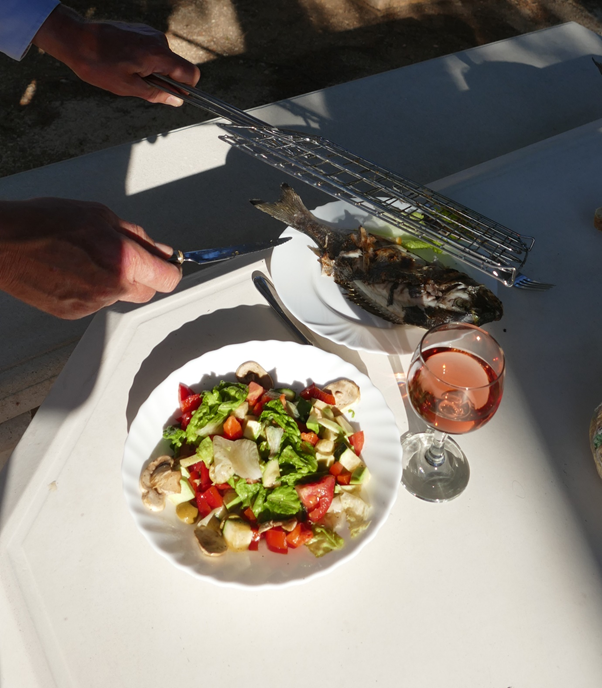
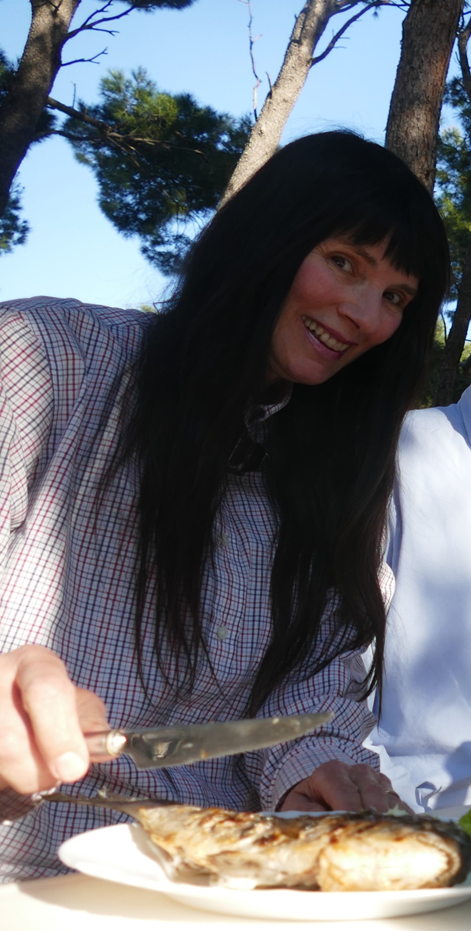
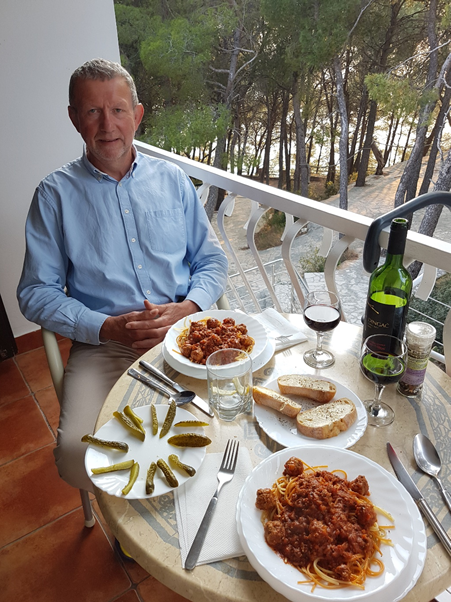
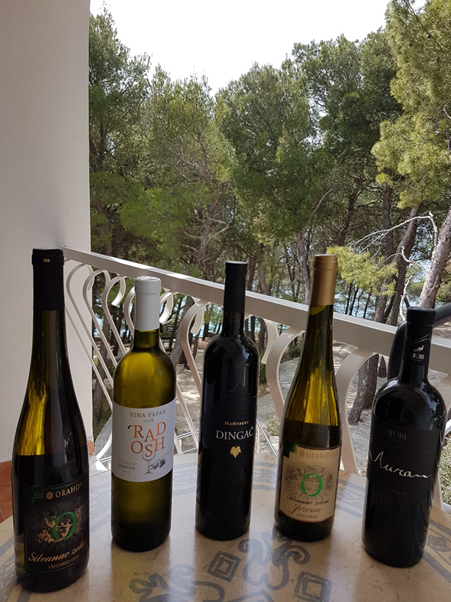
Luckily for our waistlines, and because it has not been so badly affected by the Pandemic as many other countries, Croatia made an early start to a staged process of easing restrictions. Phase 1 was to permit wider travel within Counties; allowing us to once again visit some of the sights.
Split was eerily quiet;
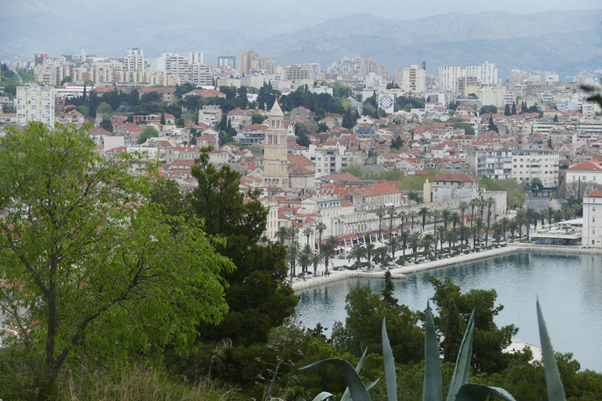
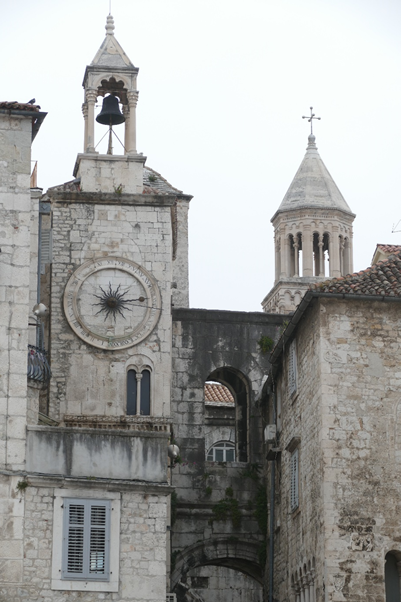
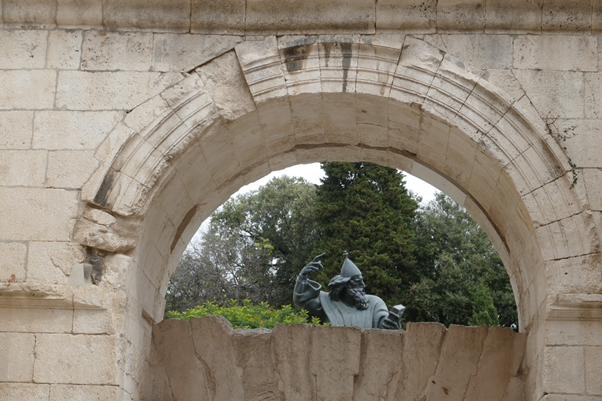
as was nearby Trogir
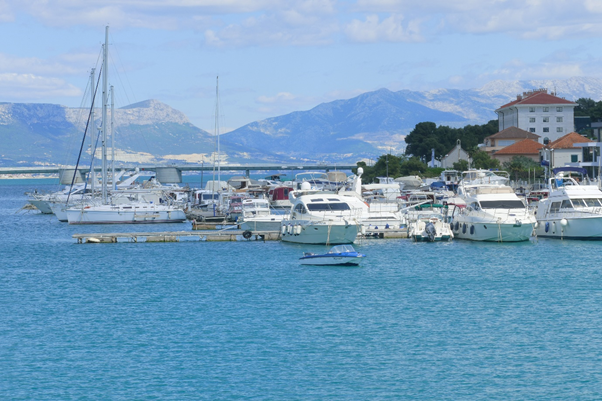
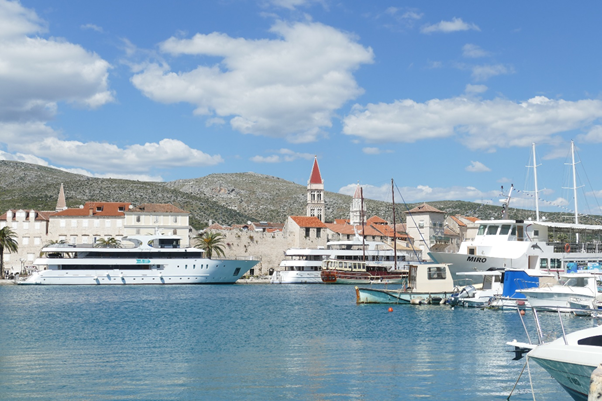
– whose Venetian architecture has led to its inclusion on the UNESCO list of World Heritage Sites.
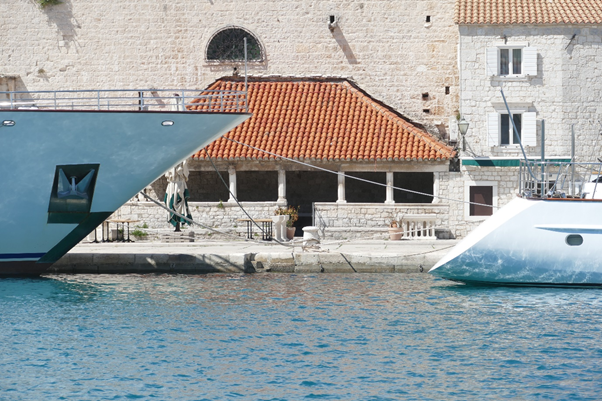
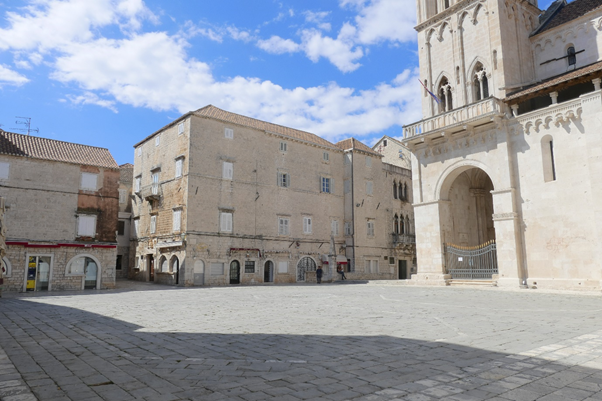
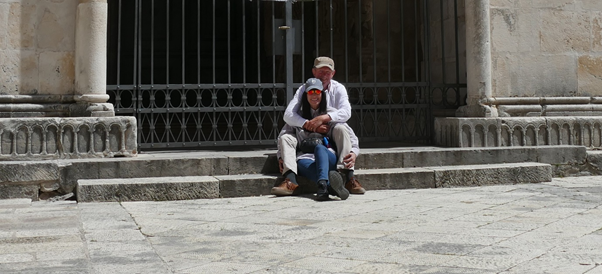
The hotel we had stayed at during a previous visit to Croatia was closed up – a sign of changed times.
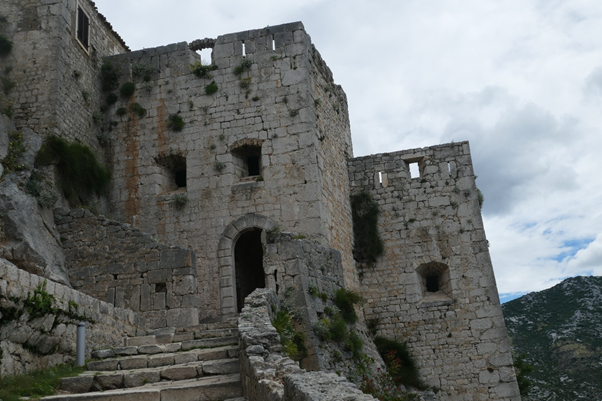
The medieval Klis Fortress, which fills the gap between two craggy hill ranges east of Split,
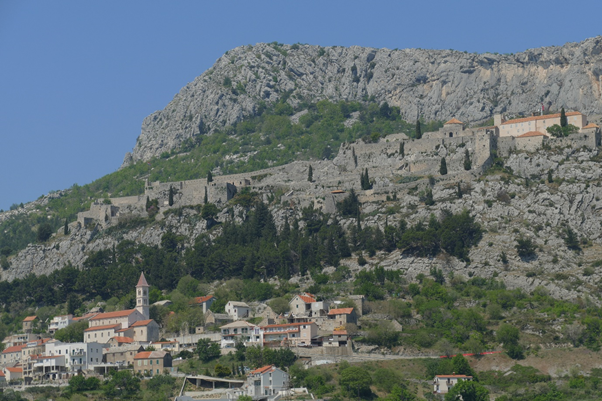
has played a prominent role in Croatian history – including holding back the Ottoman invaders in the sixteenth Century.
Even more momentously, it provided the setting for episodes of The Game of Thrones!
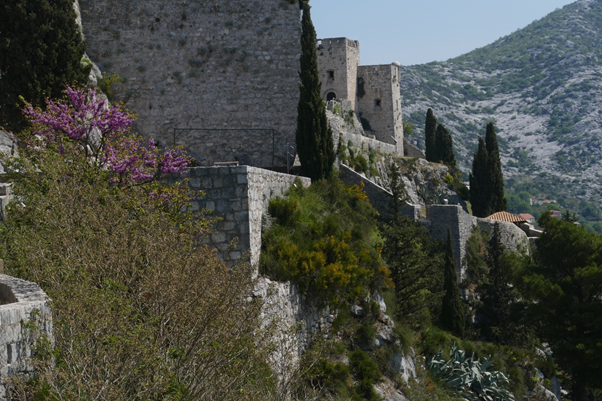
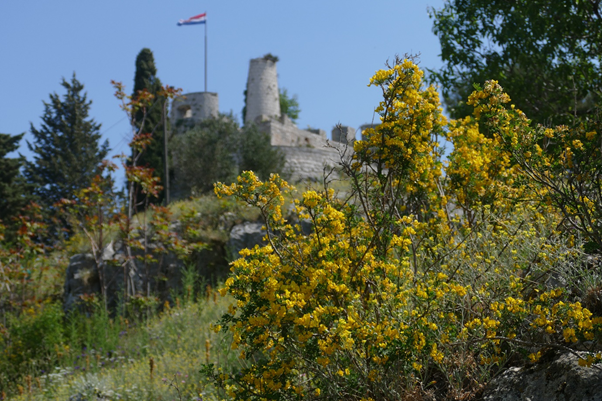
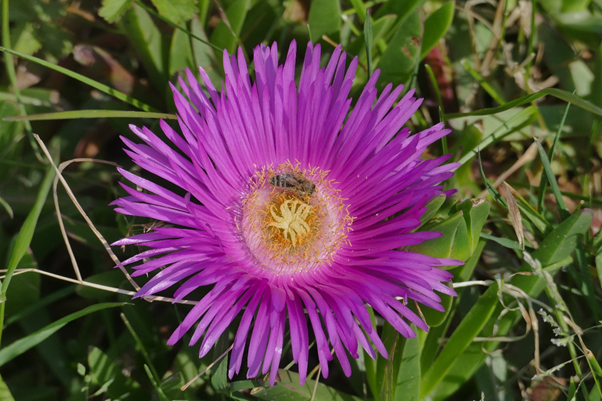
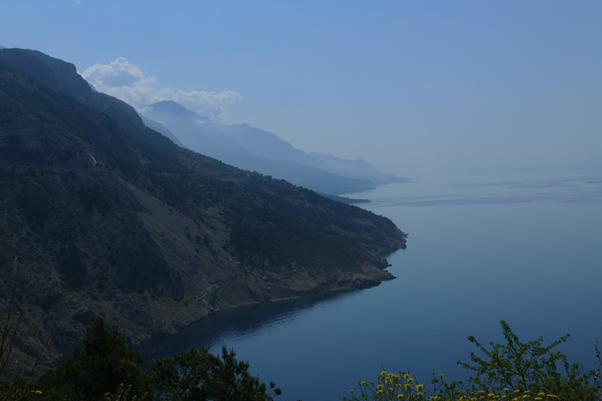
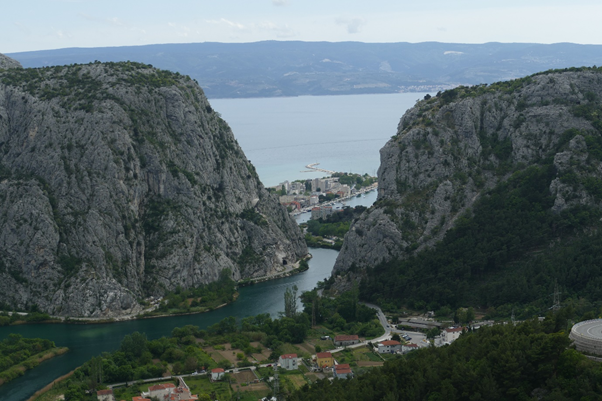
Dalmatia’s karst terrain accounts for its dramatic coastline.
Inland, at Imotski, Red Lake
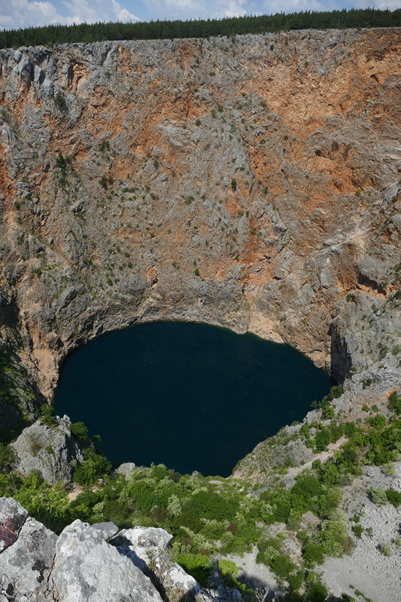
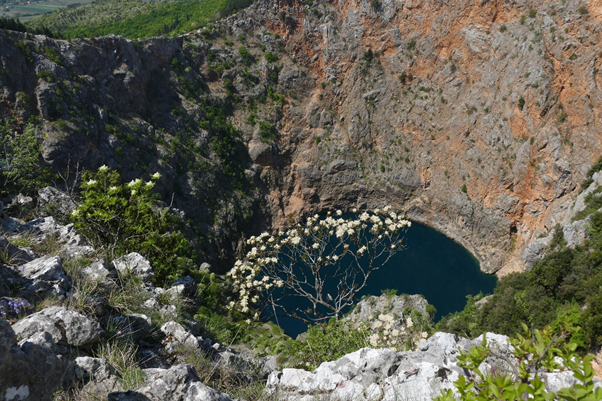
and Blue Lake
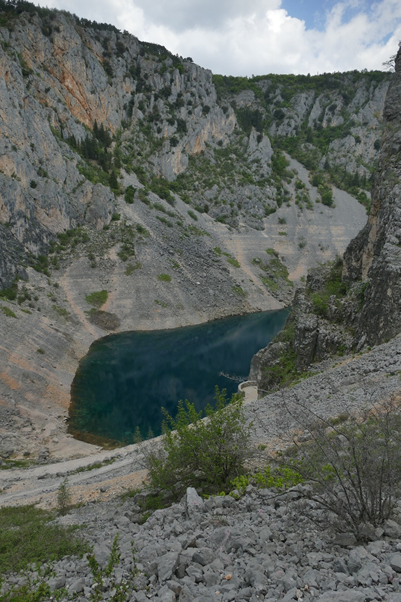
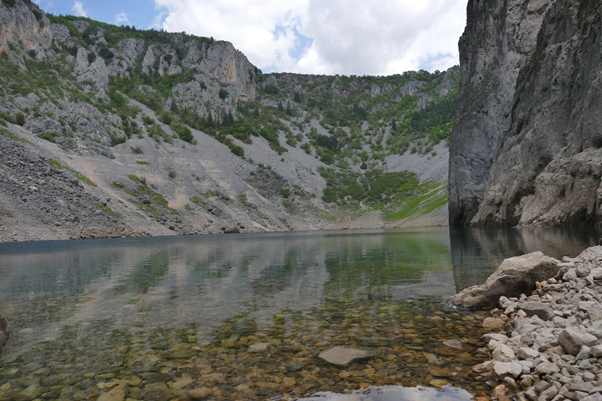
are at the bottom of very deep holes in the ground.
Medieval Croats dug wells in the limestone to reach the underground water
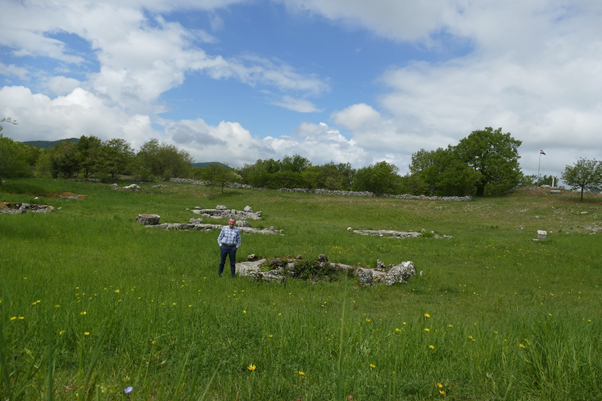
and carved ‘stecci’ from the limestone as markers for graves.
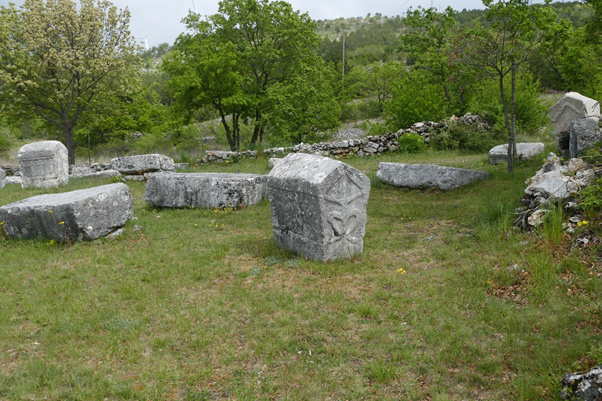
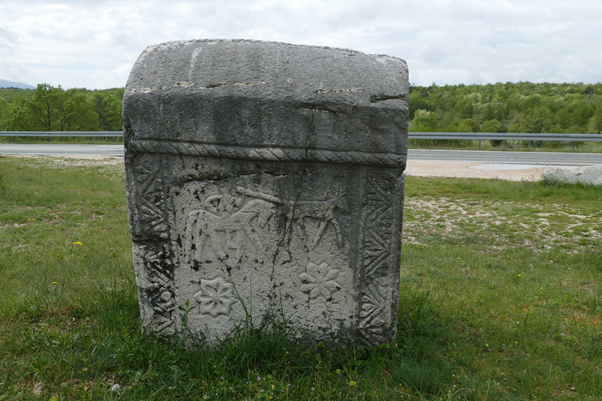
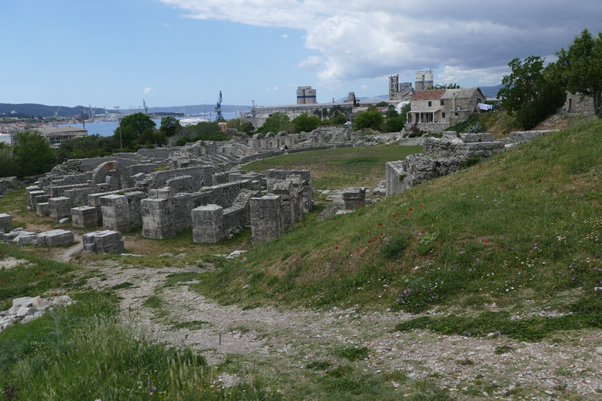
The ruins of the Roman city of Salona are in what are now the industrial outskirts of Split.
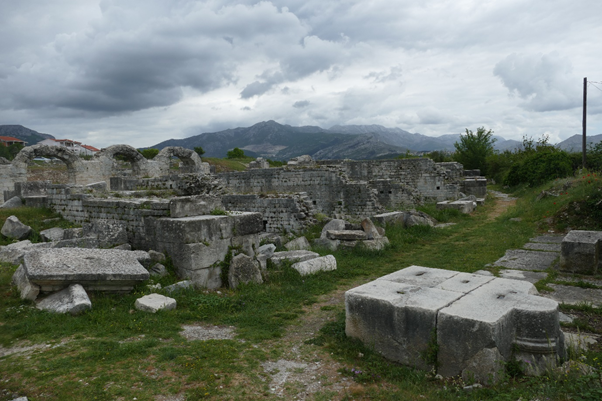
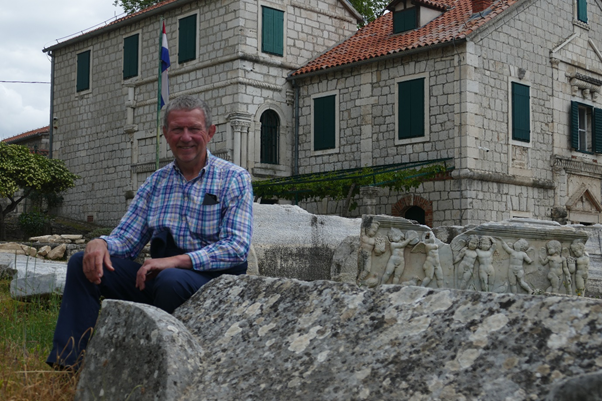
Diocletian’s aqueduct is nearby.
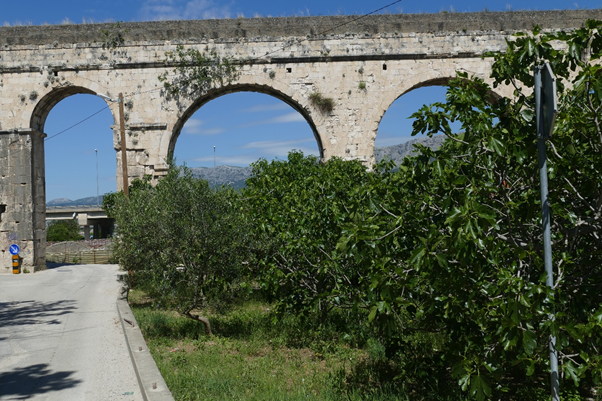
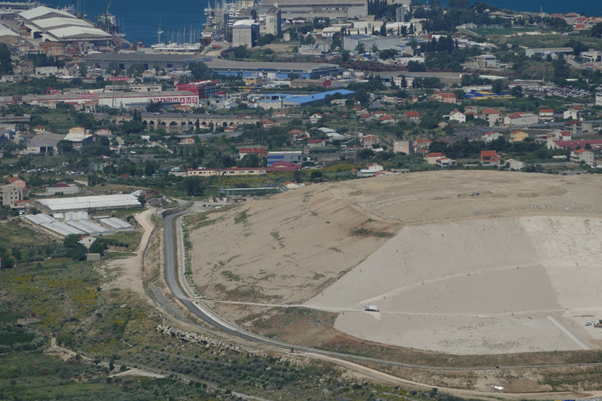
Today, dust-carts rumble under its arches on their way to the enormous mound composed of 1700 years of Split’s rubbish – you can see the aqueduct behind and to the left of the garbage mountain in the photo below.
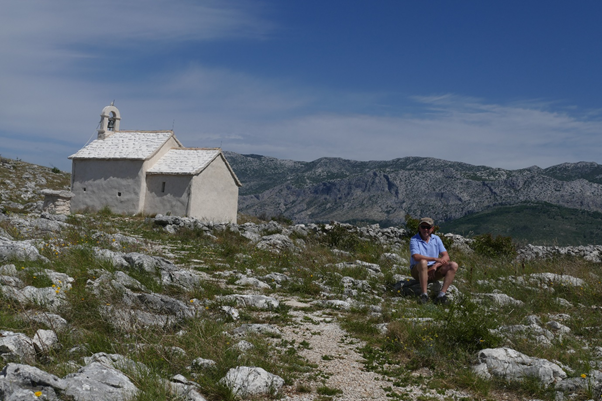
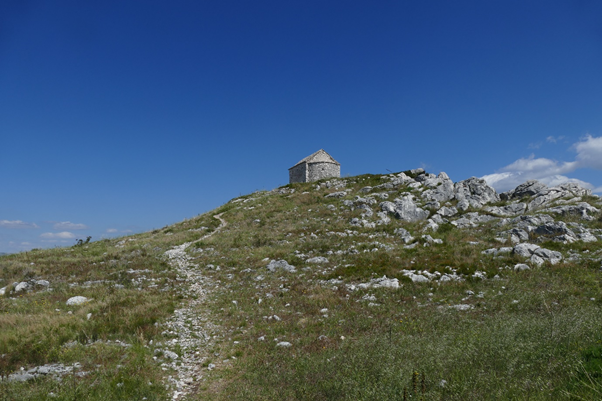
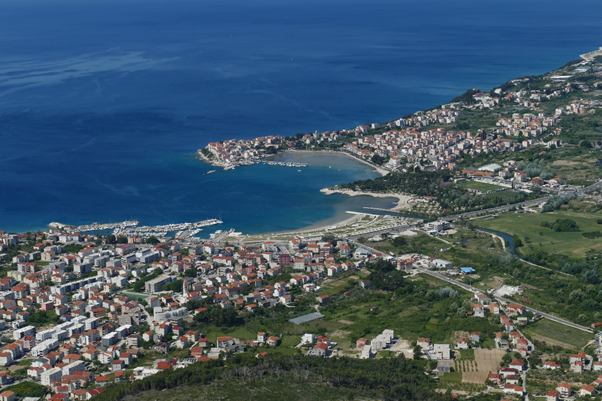
As time passes, one of us is becoming increasingly familiar with the many local walking trails in the nearby hills.
The other has renewed their interest in art and meditation (see ‘Danielle’s gallery’ for more).
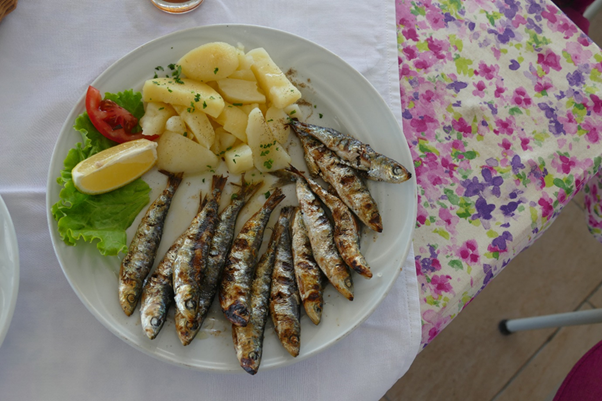
By late May life in Croatia is just about back to normal. Shops and restaurants are open; including our favourite sea-food shack at Slatine near Trogir;
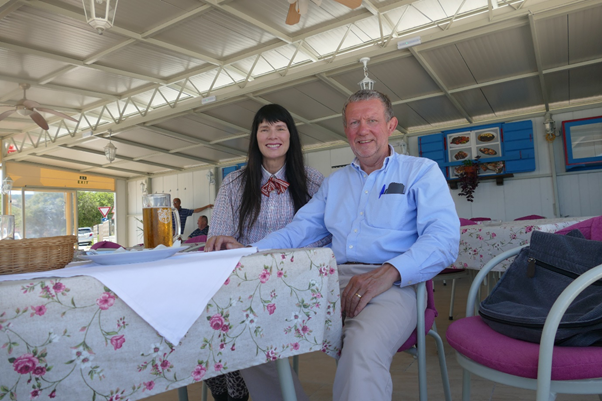
that we visited several times for a lunch of fried fish.
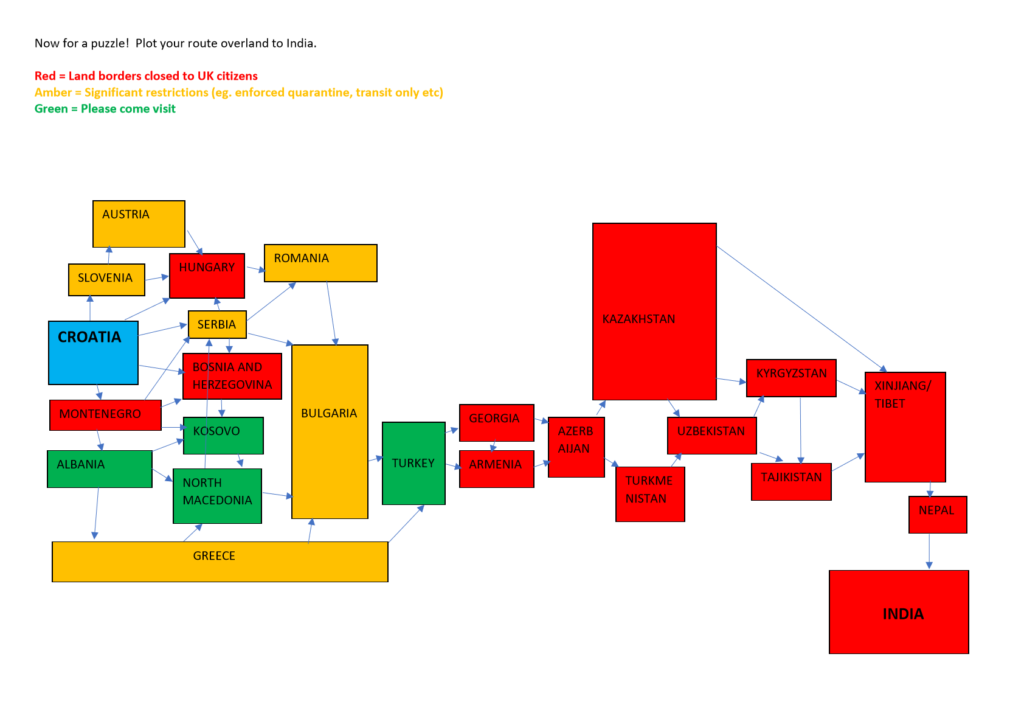
We can now travel freely within the country – though neighbouring borders remained closed.
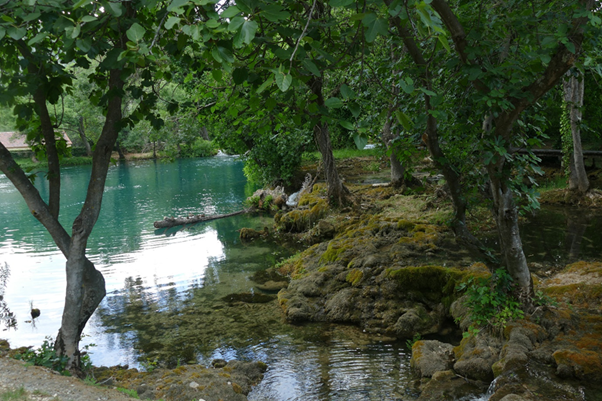
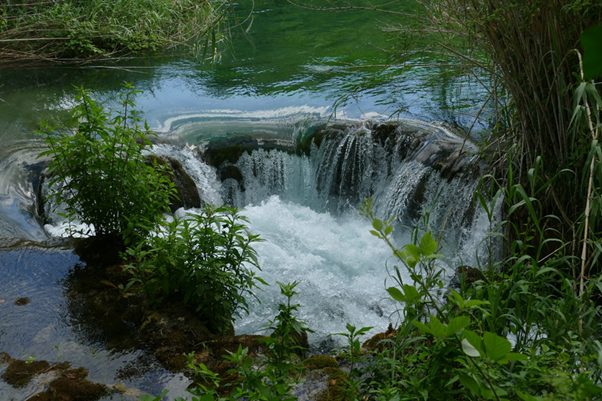
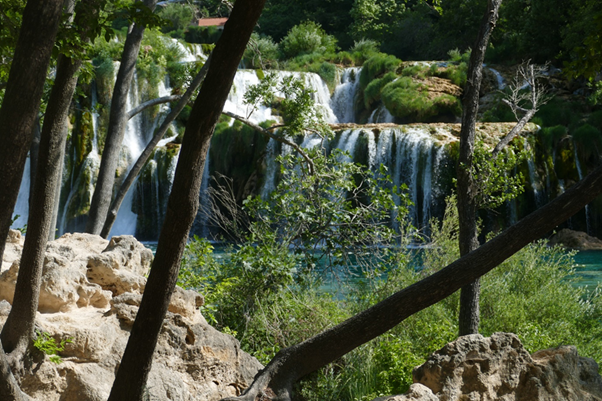
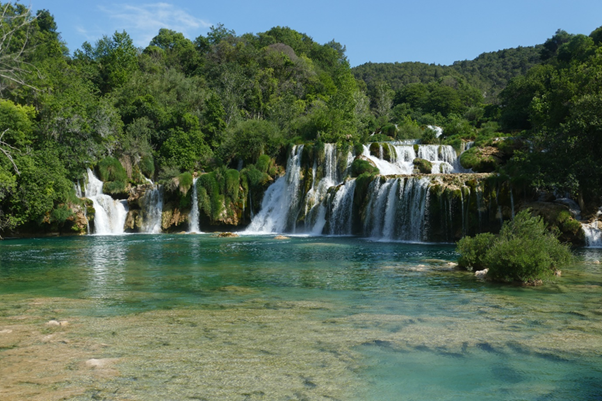
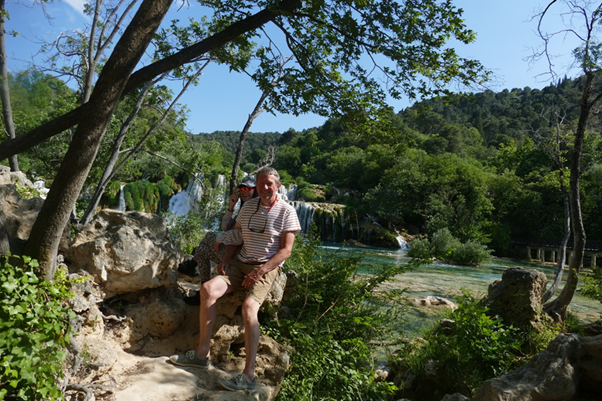
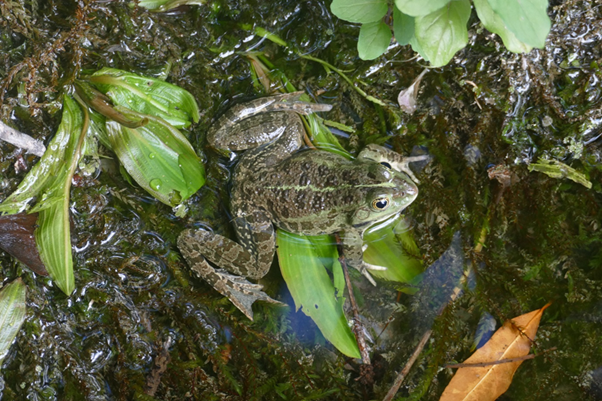
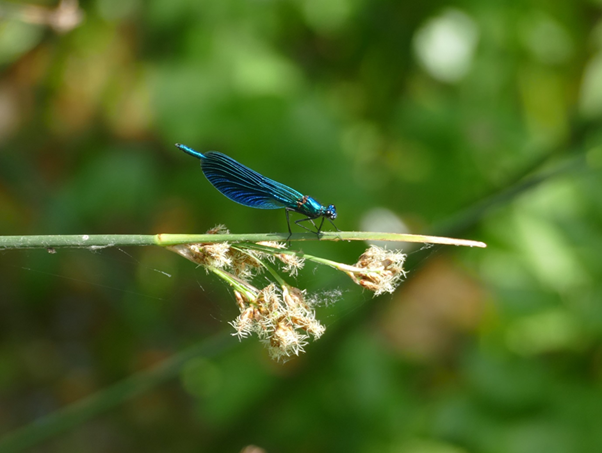
North of Split is the green and watery haven of Krka National Park.
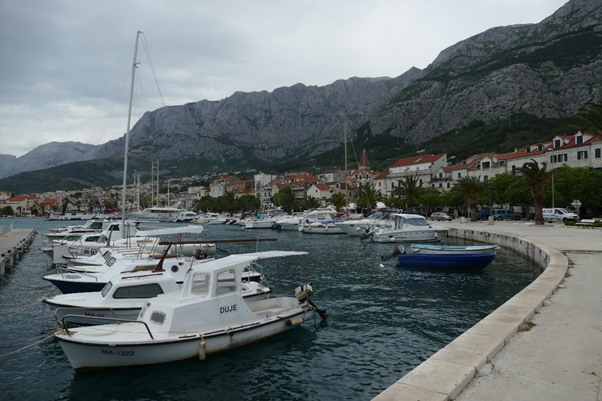
50 km south of Split, and close to Makarska,
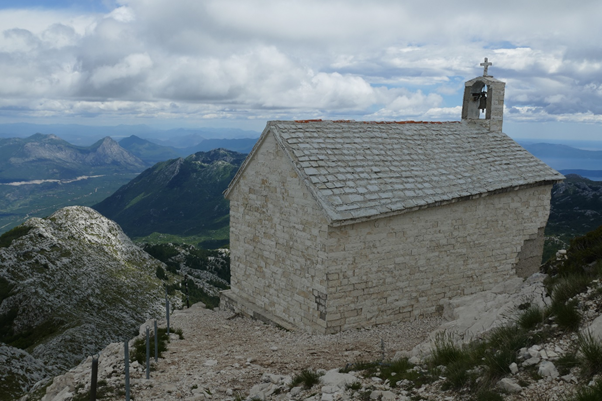
is a narrow and winding road that passes through the Biokovo Nature Park to the summit of Sveti Jure; the second tallest mountain in Croatia. There are impressive views in all directions.
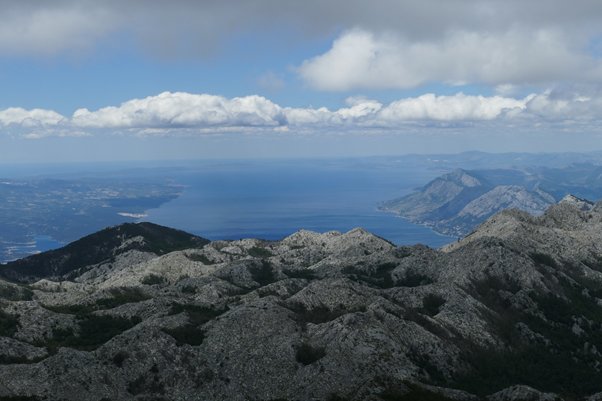
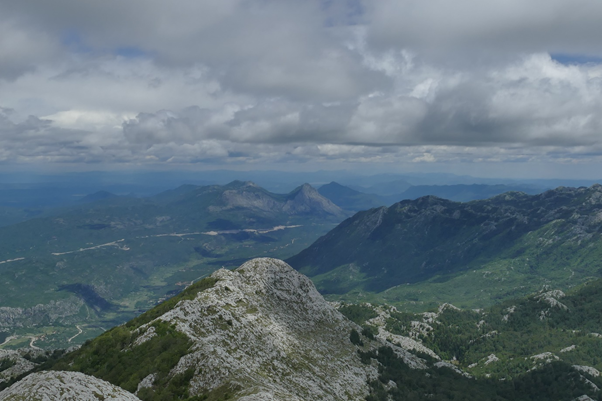
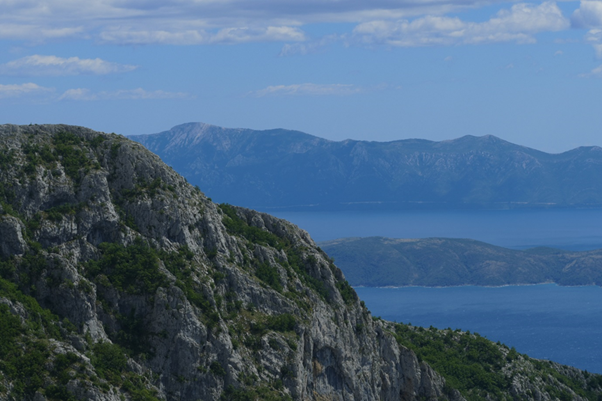
Like many other hills in Croatia, the top is crowned with a stone-built chapel.
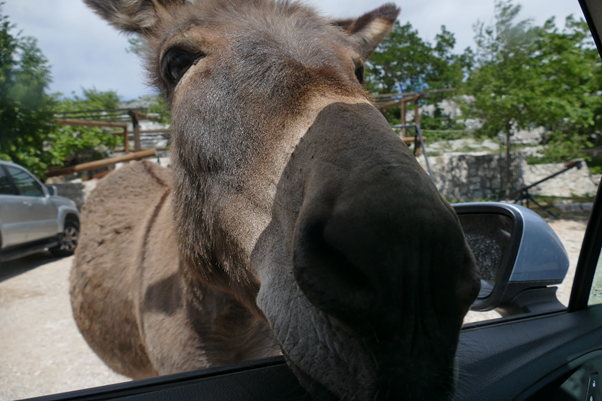
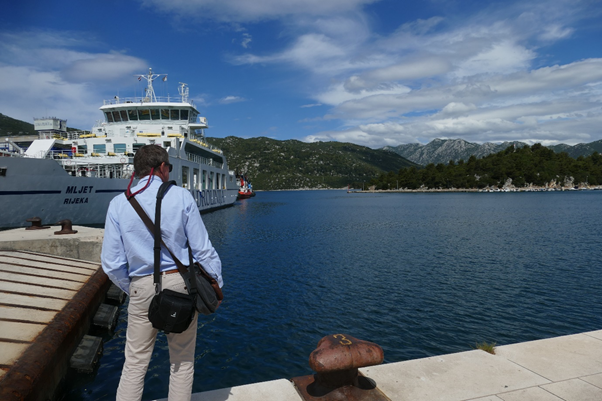
To avoid crossing the ‘Neum corridor’ – a 9 Km stretch of the Adriatic coast that belongs to Bosnia-Herzegovina – we took the ferry from Ploce to Trpanj on our way to Dubrovnik.
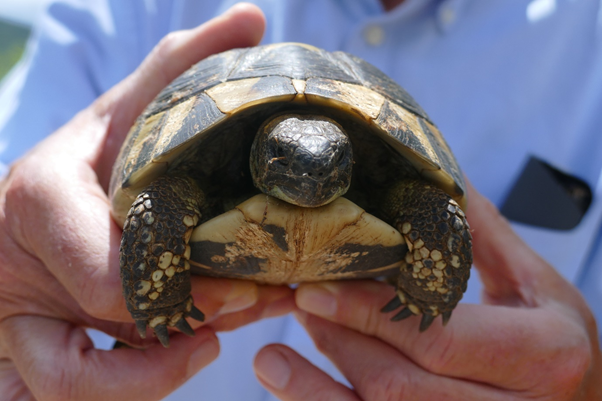
En-route, we rescued a pedestrian that was crossing a busy road at a pace that would make a hedgehog look like Usain Bolt.
We had a fabulous view of Fort Lovrijenac from the room in our (almost empty) hotel in Dubrovnik;
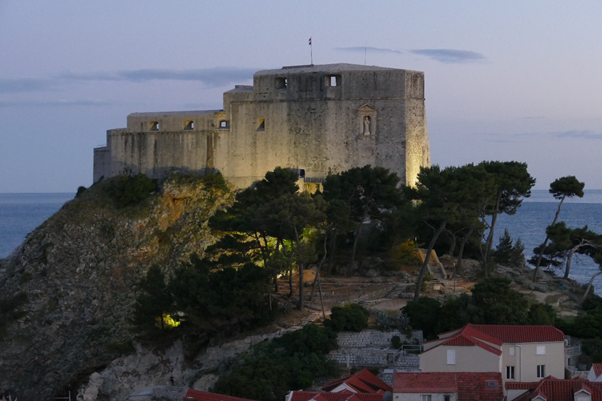
and had the city almost to ourselves.
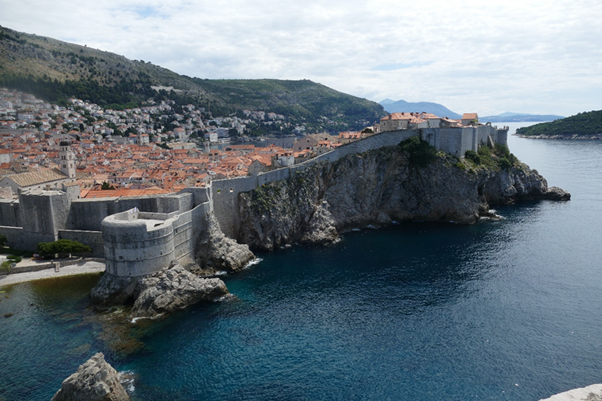
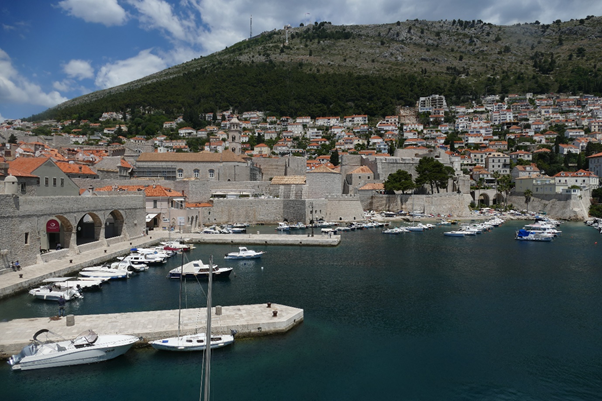
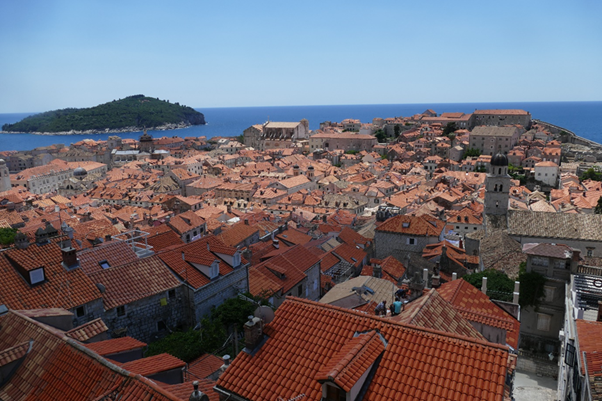
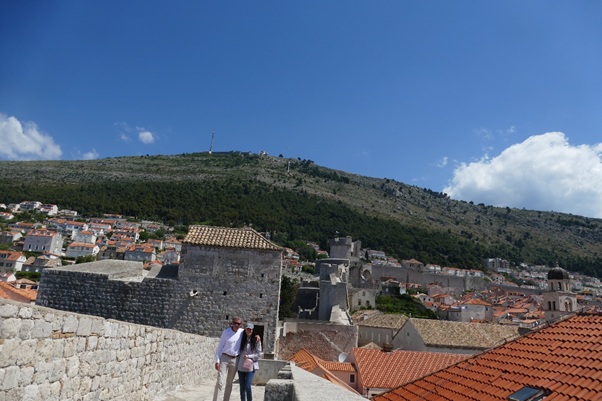
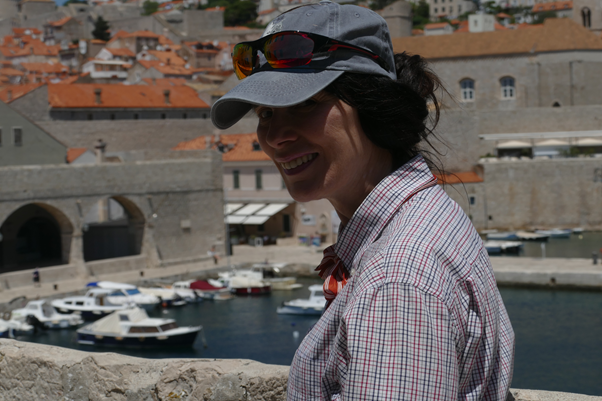
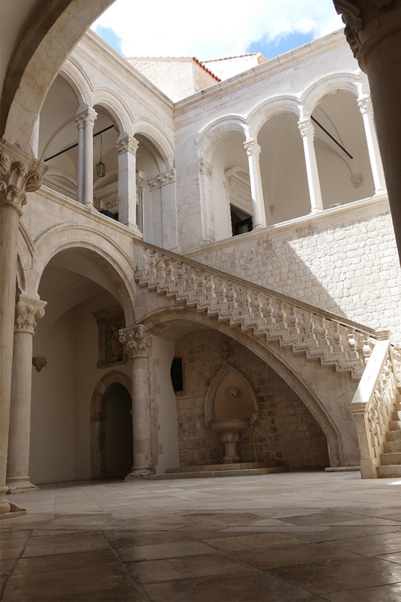
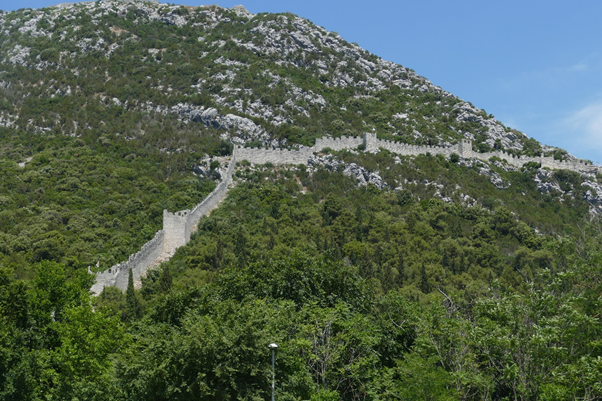
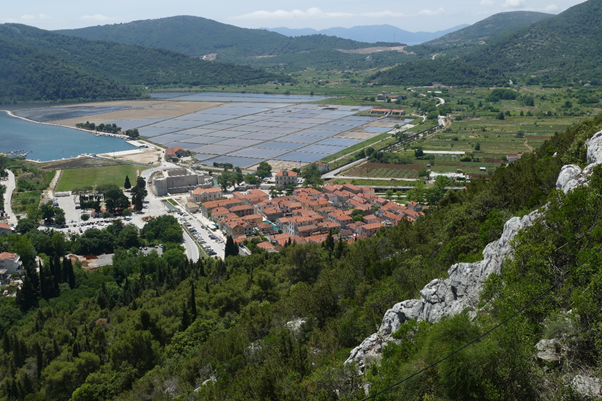
On our way ‘home’, we stopped at Ston to walk the medieval walls that cross the peninsula at that point
and to visit the salt pans.
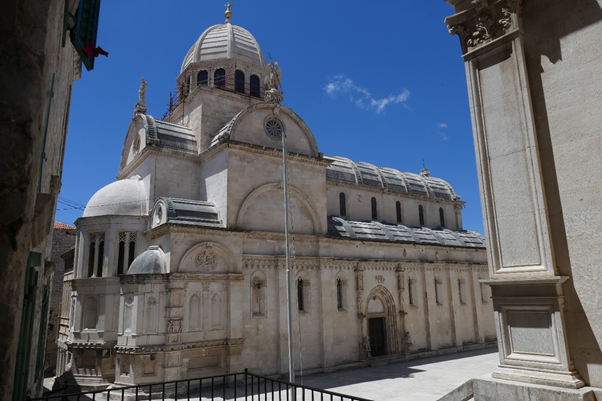
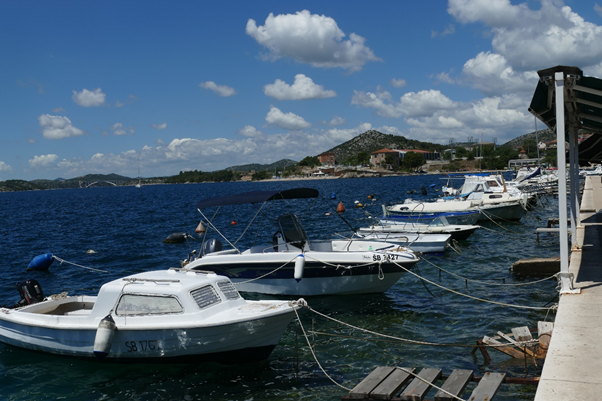
Before the overseas tourists arrived for the delayed season, we visited nearby Sibenik for lunch

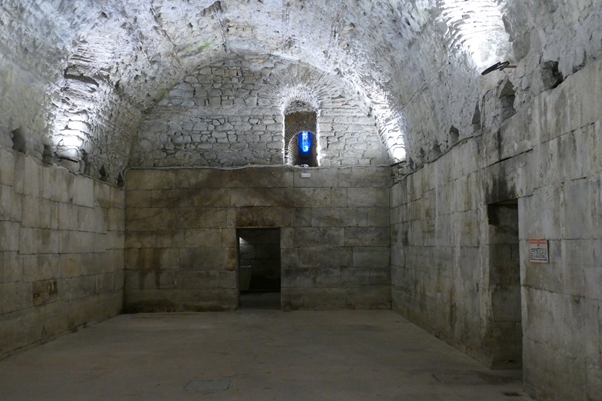
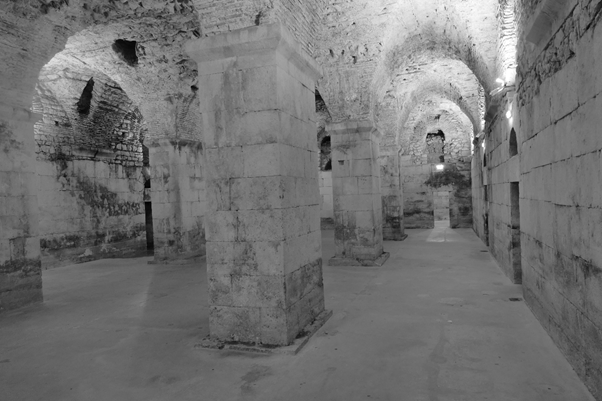
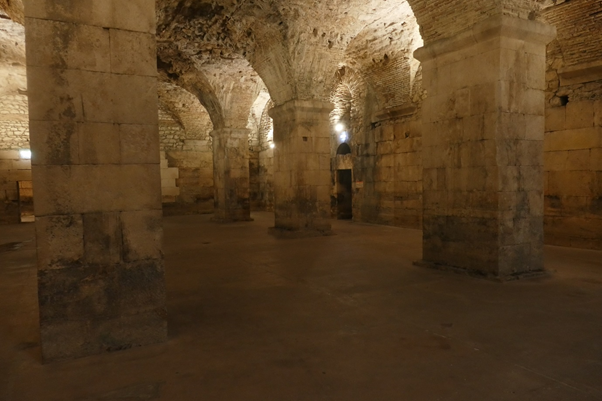
the extraordinarily well-preserved lower floors of Diocletian’s Palace in Split – which had just re-opened –
the inside of the fortress at Klis
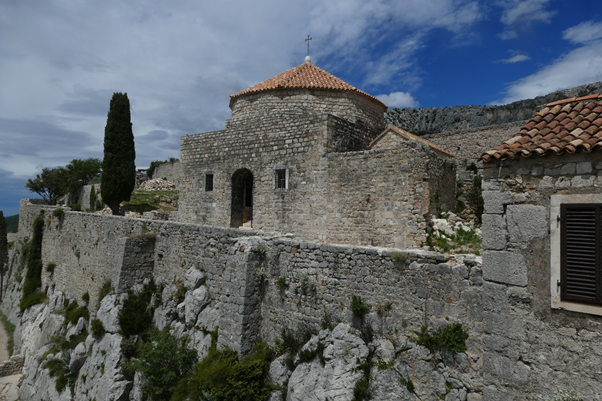
and the cathedral in Trogir.
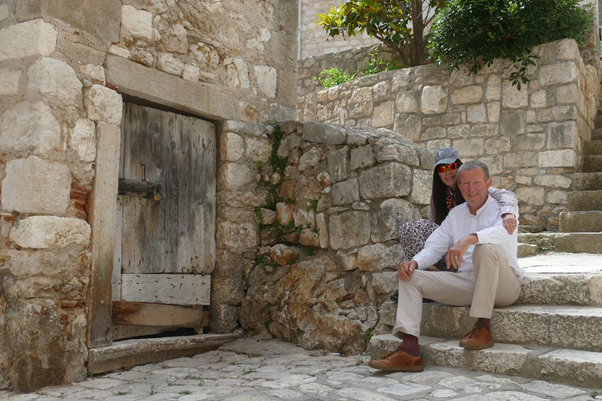
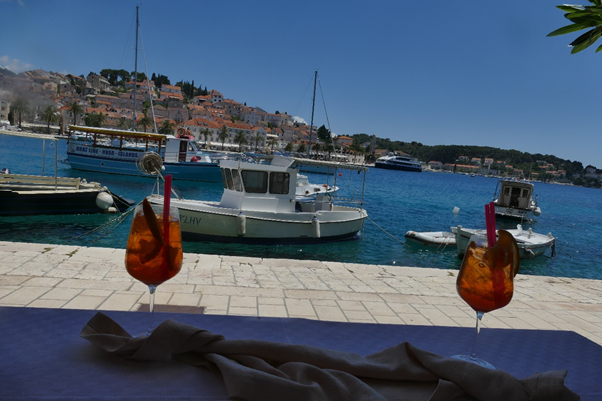
On my (Paul’s) birthday, we took the catamaran from Split to the island of Hvar.
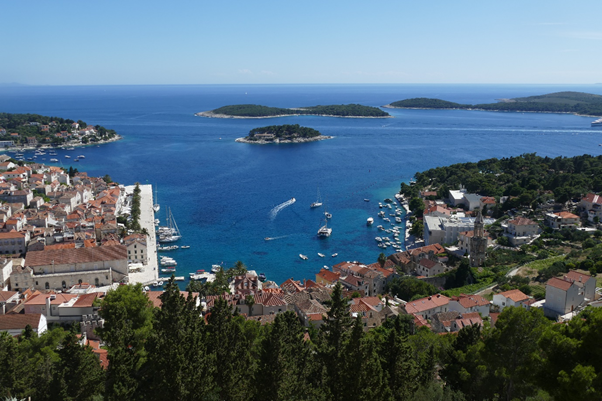
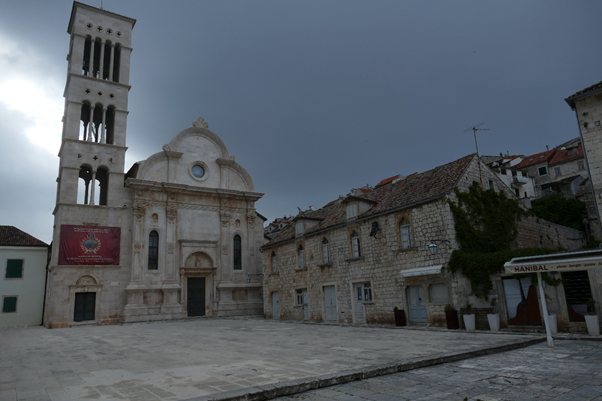
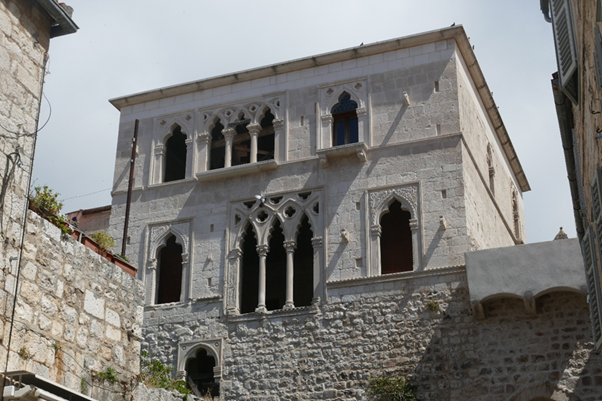
The view from our lunch table.
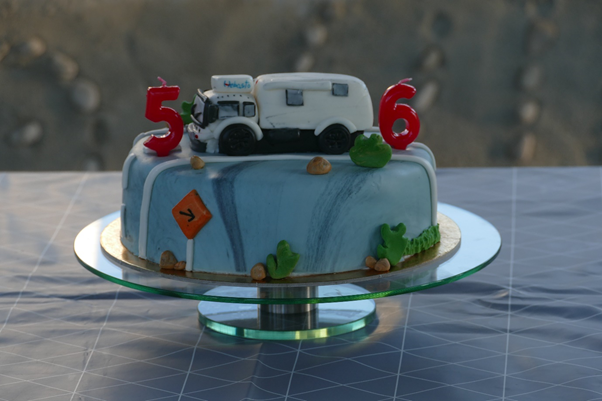
That evening, back ‘home’, our hostess (Sanjica) presented us with a fabulous cake.
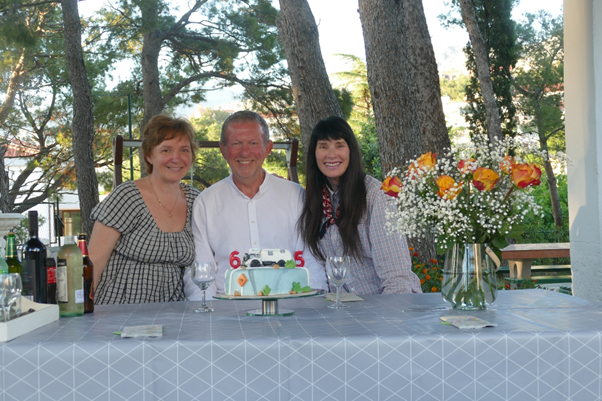
We agreed to disagree on the correct order of the candles!
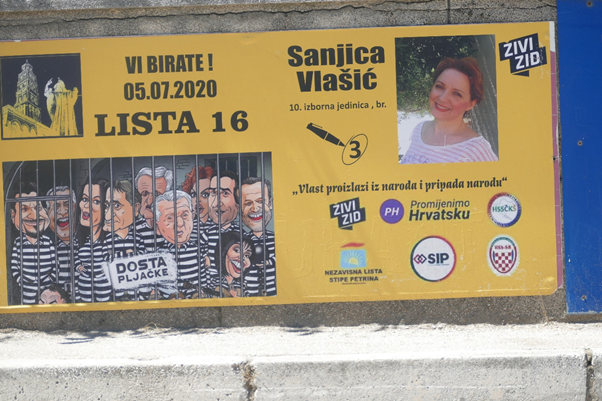
Sanjica was a candidate in the recent Croatian parliamentary elections. Her poster makes her feelings about members of the current government quite clear – in any language!
Mid-July – it is now high Summer.
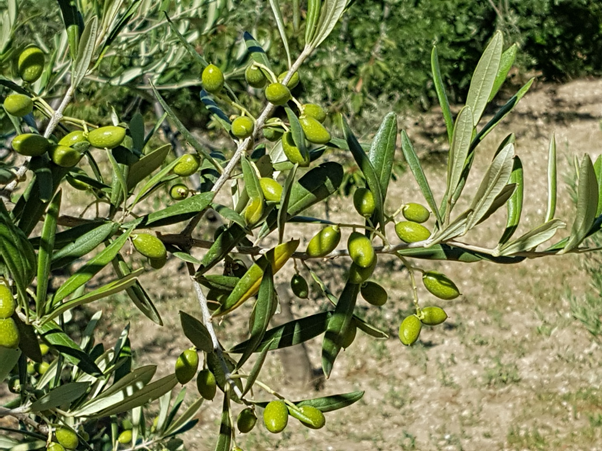
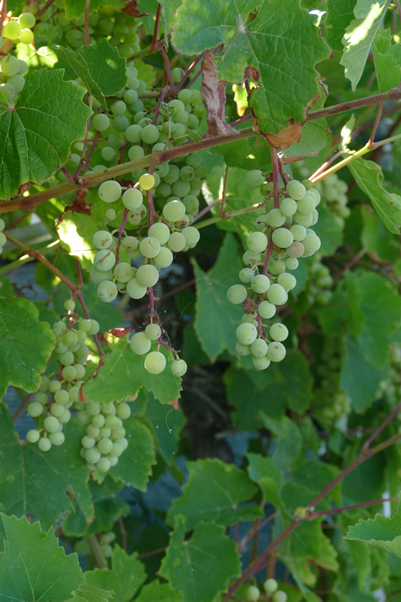
The once green and flower-strewn hills
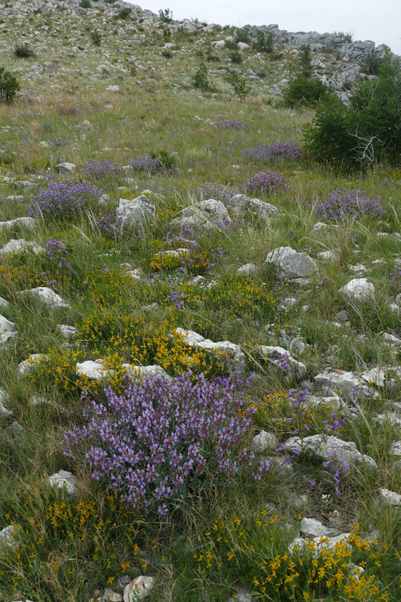
are now parched.
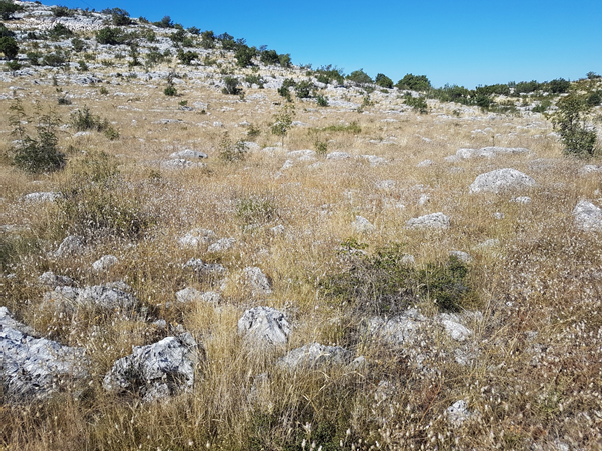
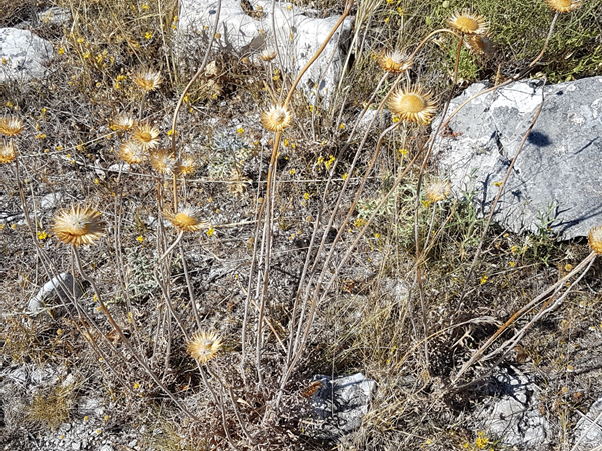
Most days it is too hot to do much more than lounge on the beach;
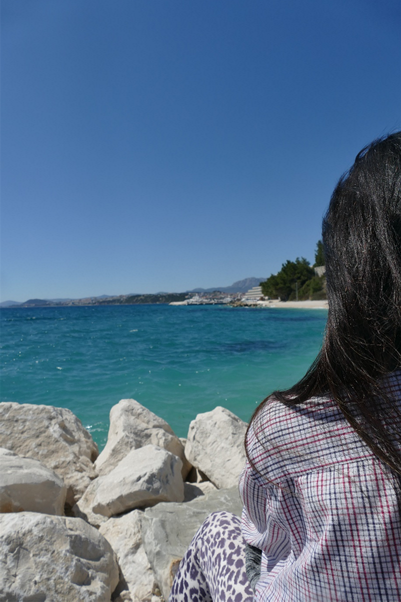
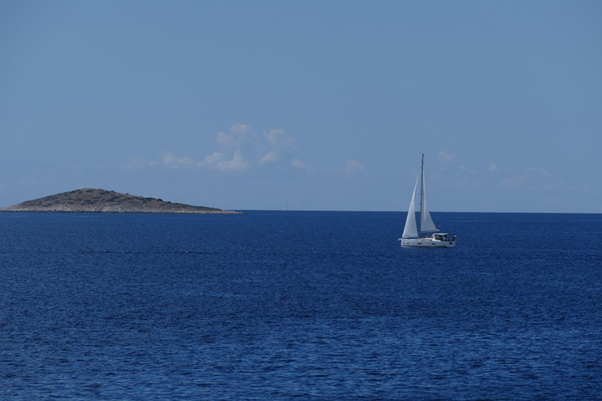
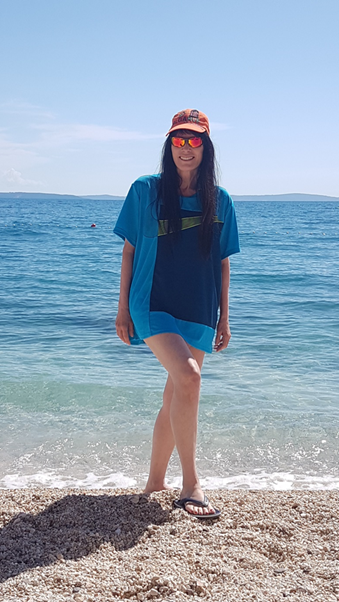
swim in the sea
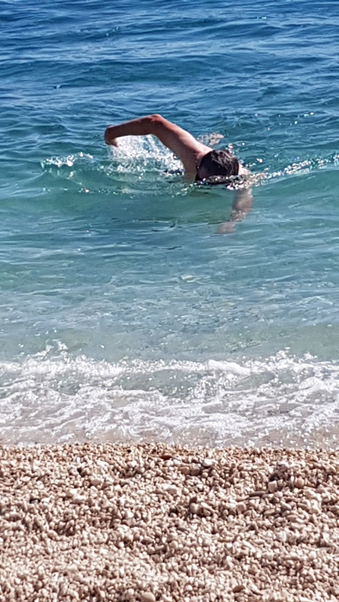
or spend time under the water – diving companies having just re-opened.
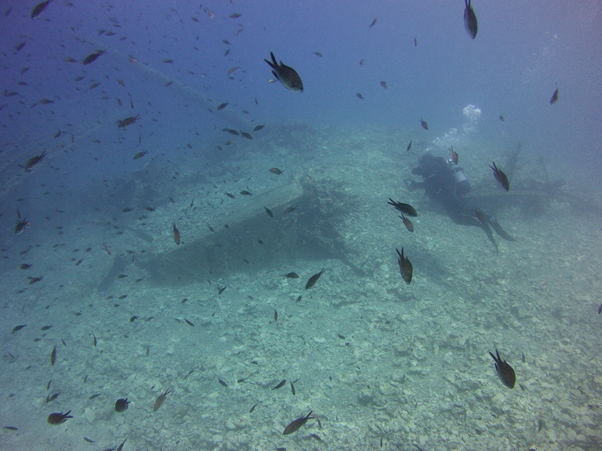
For a change of scene, we spent three days in Zadar – about 150 km north of Split.
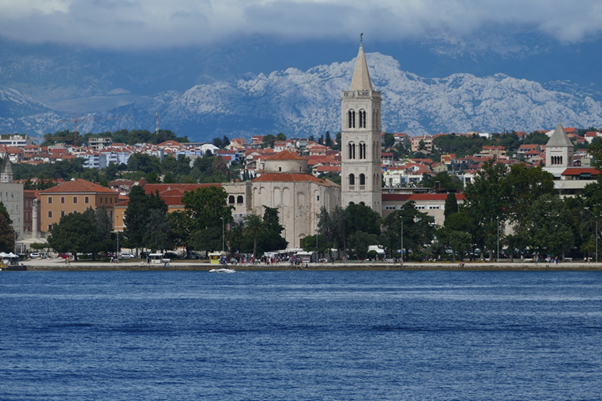
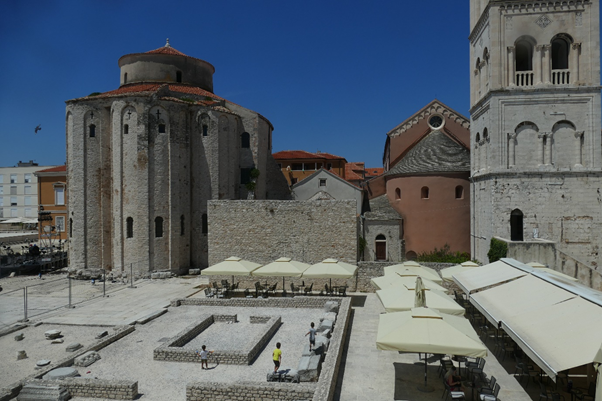
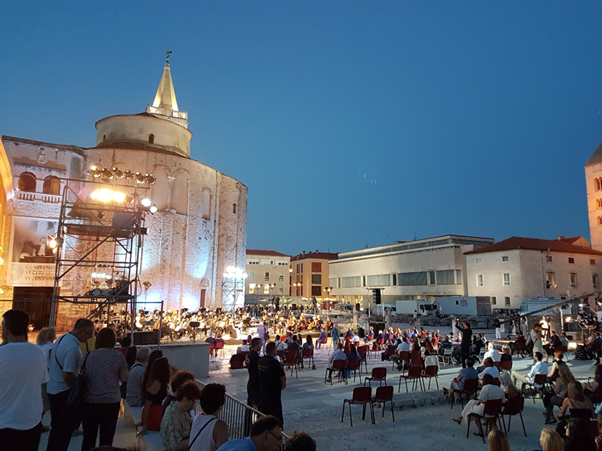
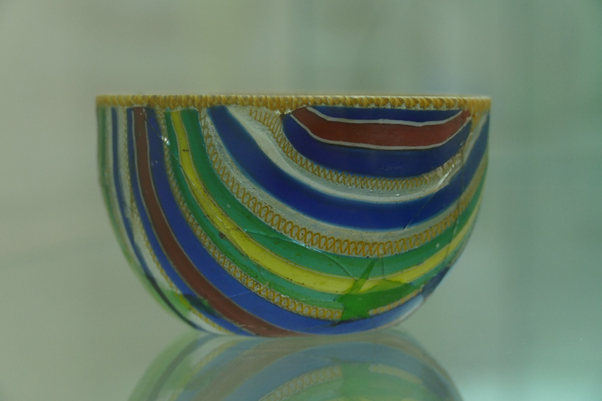
One of the town’s museums has an impressive collection of Roman glass.
On the way ‘home’, we had views of the Adriatic islands
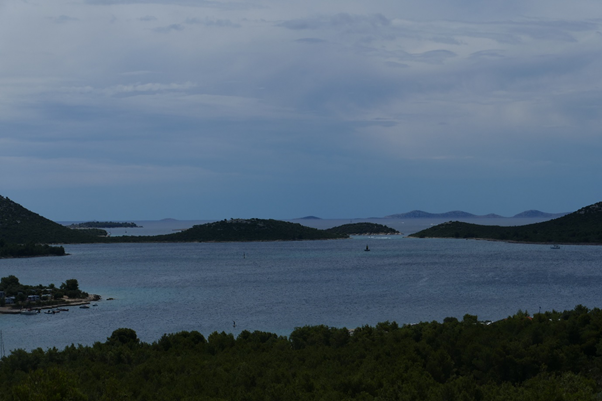
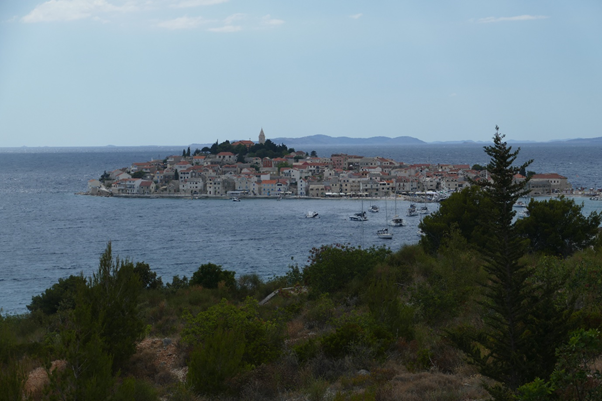
and stopped off at Primosten.
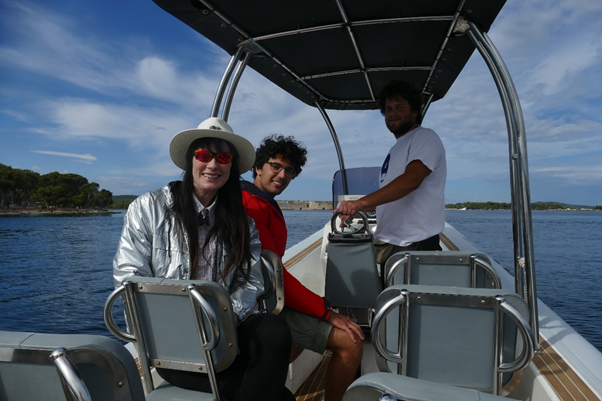
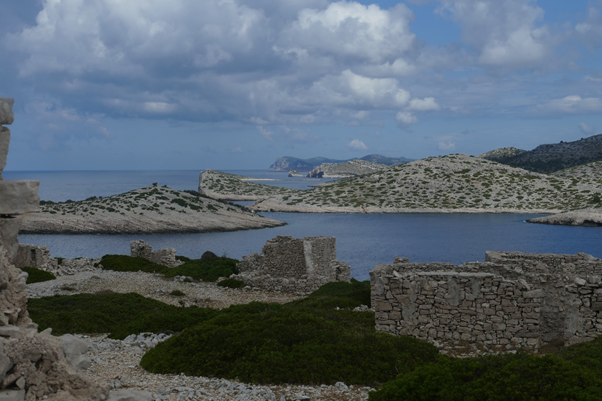
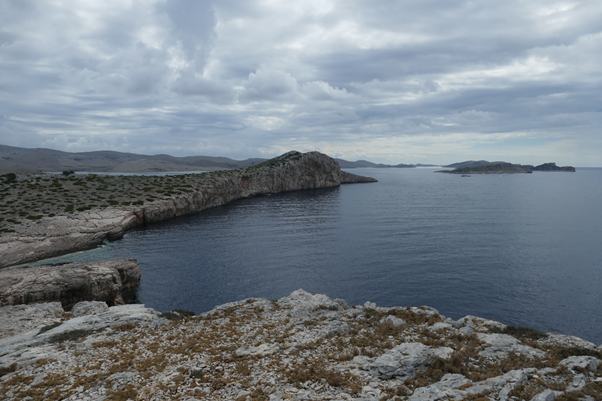
The following week, we took a boat trip to the Kornati National Park;
an archipelago of many small islands off the coast between Sibenik and Zadar.
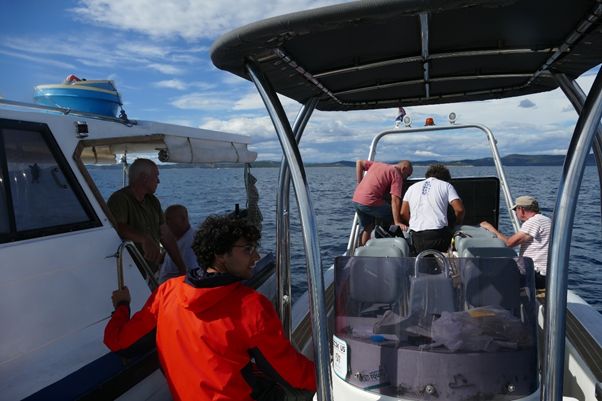
The trip was enlivened when the boat broke down on the way back to port – thank heavens I was there to sort the problem out (some hope!).
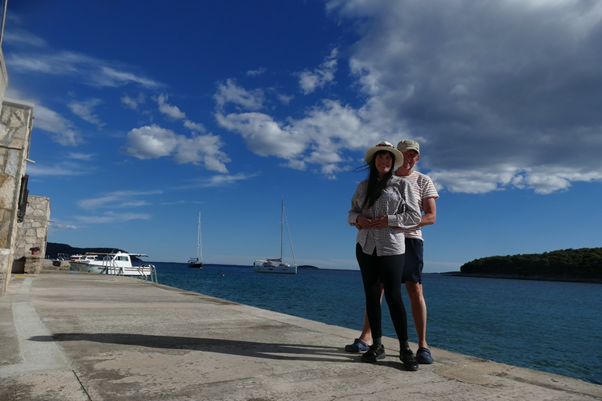
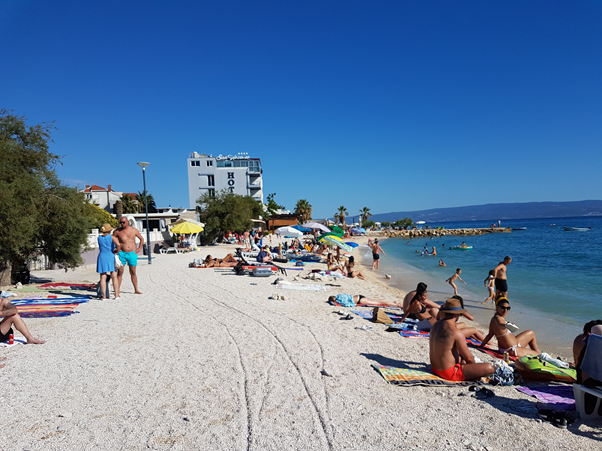
By late July, the once-deserted beaches were filling with holiday-makers;
and more borders had opened to the south and east of us.
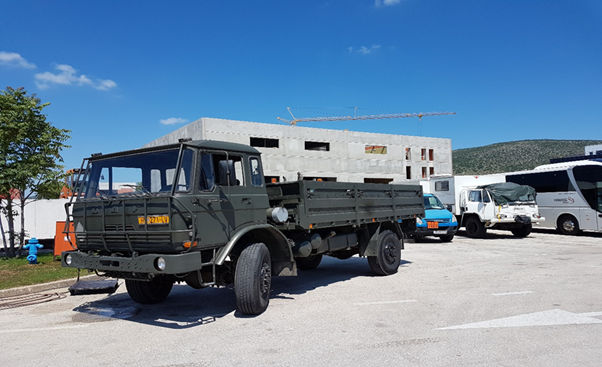
We expedited the work on the truck –
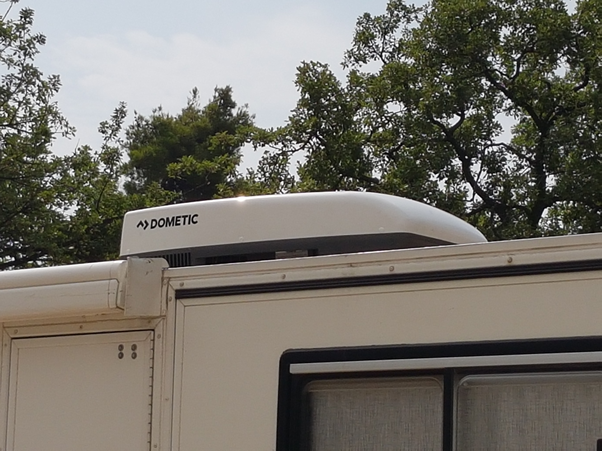
mainly to fix the two air-conditioning units (the weather now being very hot).
On 1 August, after nearly five months, we finally said good-bye to Split,
and to Podstrana – our refuge during the lockdown.
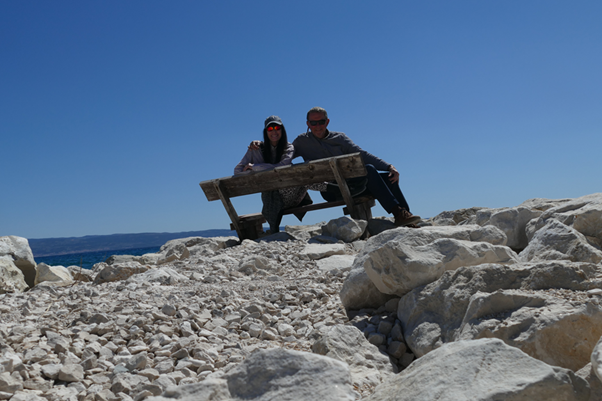
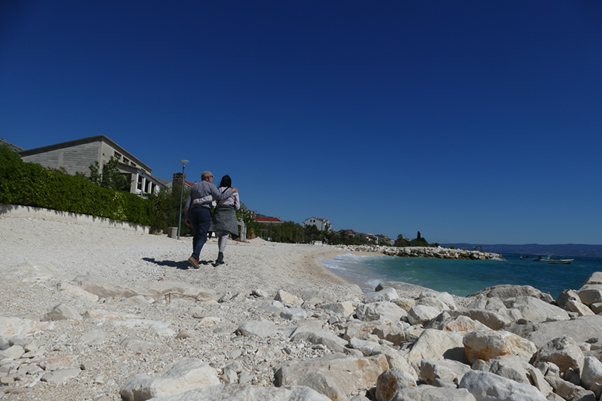
We headed head south, via the ferry
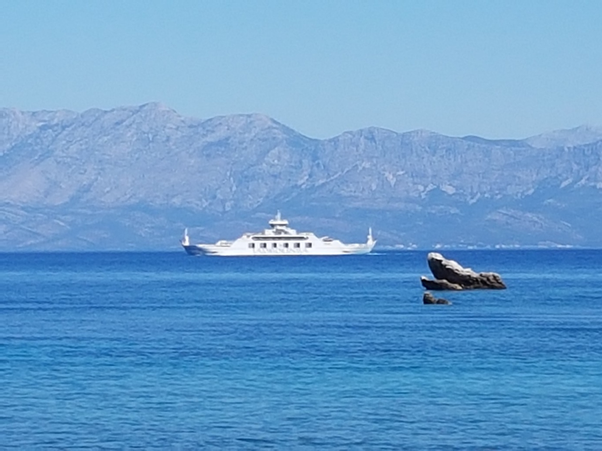
from Ploče
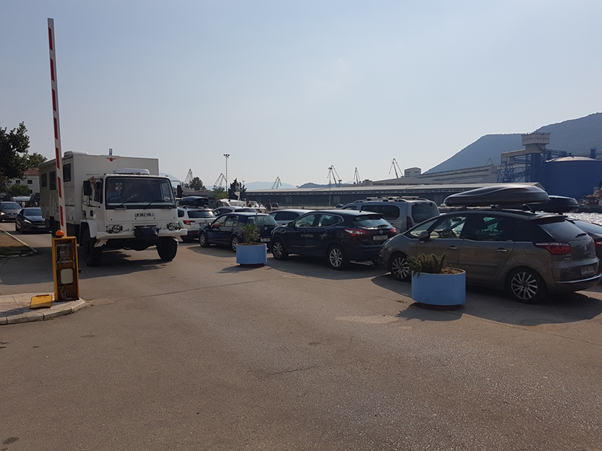
to Trpanj,
and Dubrovnik, en-route to Montenegro.
Chère Danielle
J’ai bien reçu ton gentil message. J’ai toujours très mal au genou et à la hanche. J’essaie de garder le moral.
Bon séjour au Monténégro
Je t’embrasse ainsi que. Paul
Bonne route et soyez prudents!😘