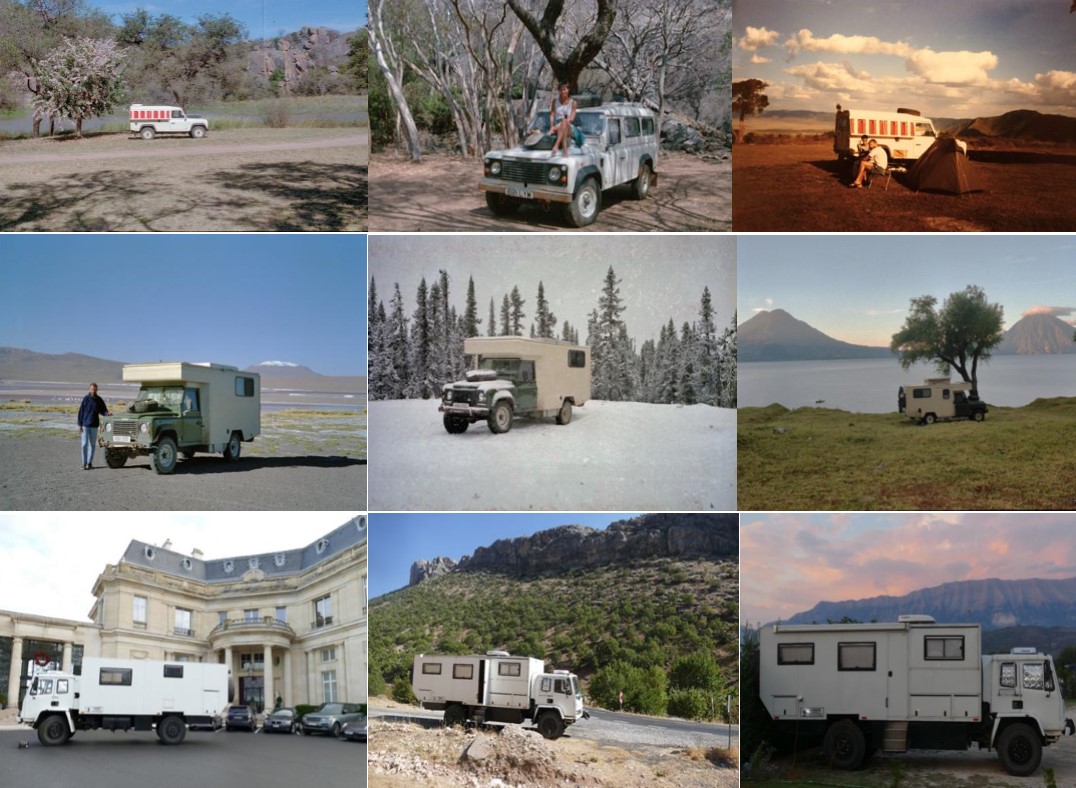
Overnight stops (in date order): Tangier (x4); Tetouan; near Dchar Amjaf; Fes (x2); Azrou (x2); Zabzat; Achbaro; Merzouga (x3); Tinghir; Agoudal; Boumaine Dades; Ait Benhaddou (x2); Agdz; Zagora; Tazenakht; Taroudant (x2); Taghazout Bay (x5); Guelmin; El Ouatia; Tarfaya; Foum el Oued; El Ouatia; Tiznit; Taghazout Bay (x5); 50km north of Essaouira; Oualidia; Mohammedia; Moulay Idriss (x2); Tangier (x2)
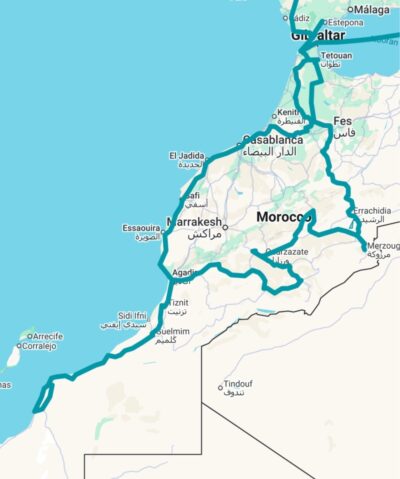
From the ferry port, we drove 50km to Tangier city
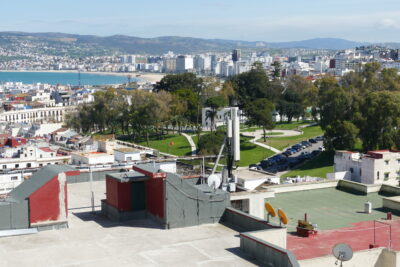
for a four-night stay – just outside the Medina; with its colourful warren of streets
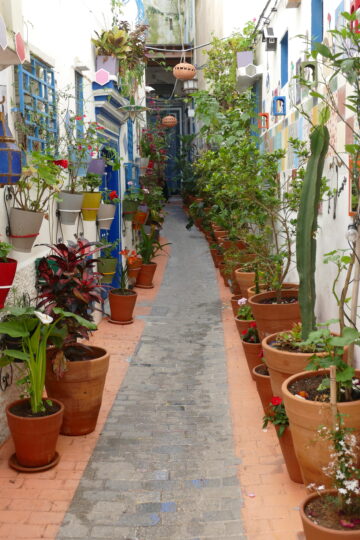
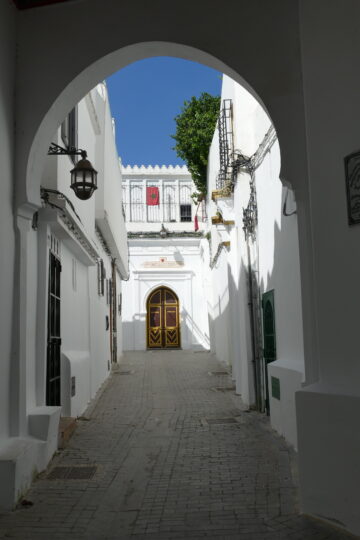
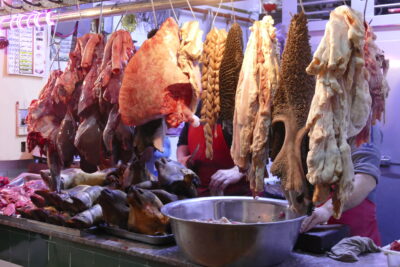
and lively markets
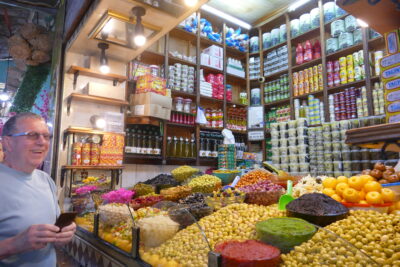
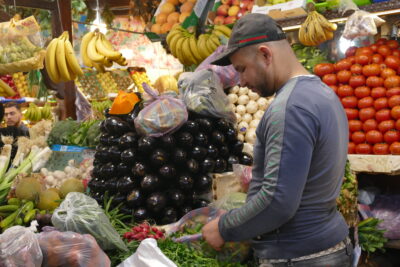
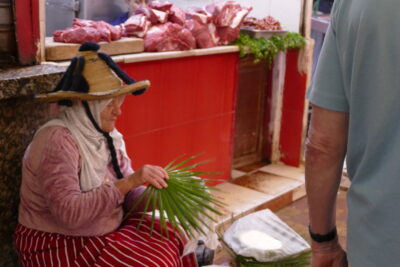
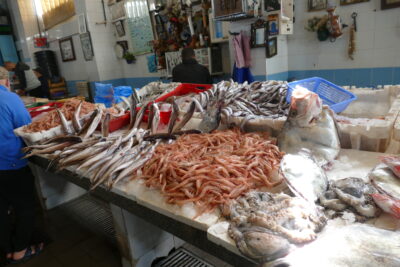
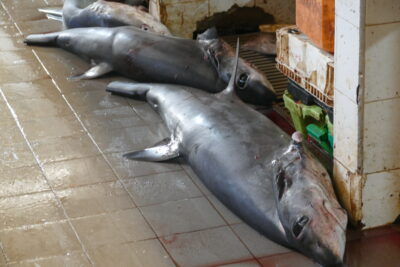
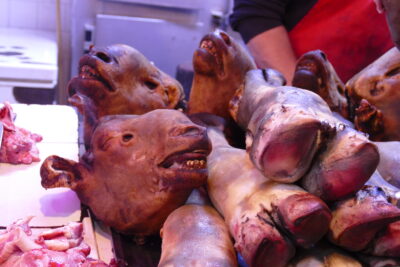
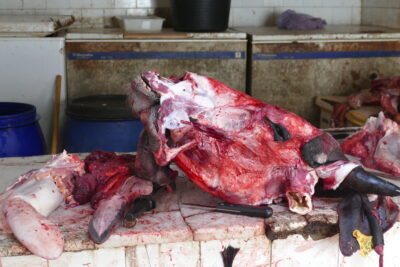
where absolutely nothing goes to waste (vegetarians look away!).
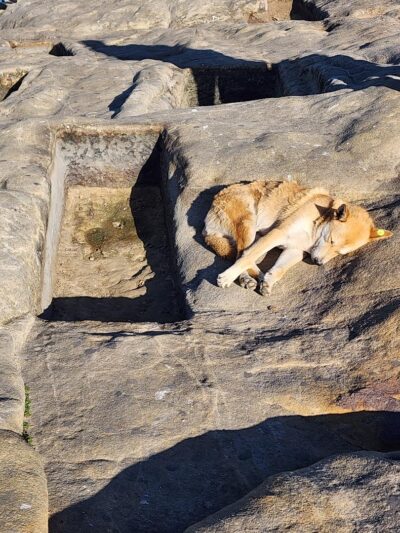
Because of its location and good harbour, Tangier has a long history – and has been much fought over. The Phoenicians buried their dead in tombs cut into the cliffs just outside their town wall.
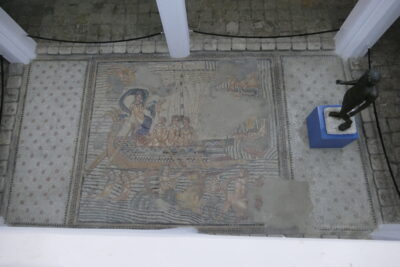
Tingis was an important Greek town, linked in mythology to Hercules, and then a Roman provincial capital.
From the 8th Century, Muslims controlled the city which had close links to Moorish Spain. For 200 years the Portuguese and Spanish occupied the town,
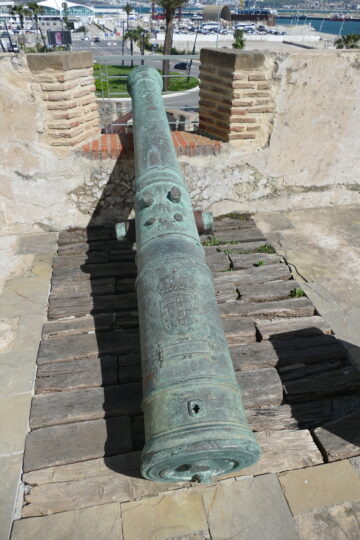
until it was given to Britain as part of the dowry of Catherine of Braganza when she married Charles II. The Muslims took it back 20 years later and built the Kasbah and other fortifications.
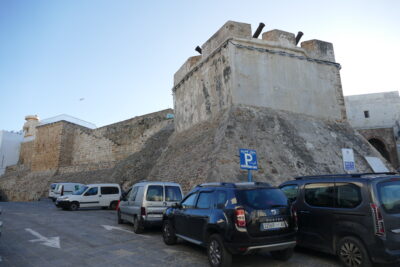
The city’s lively history has continued in more recent times. It has the oldest American diplomatic legation,
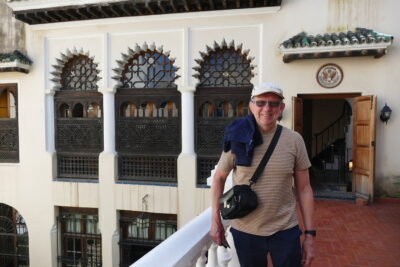
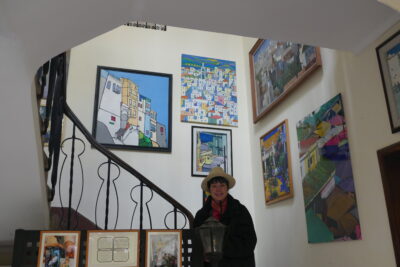
was a fashionable place to hang-out in the 20s
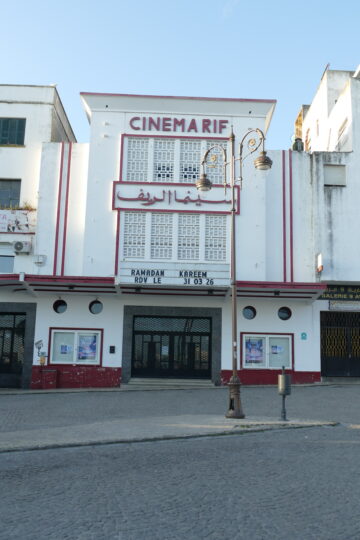
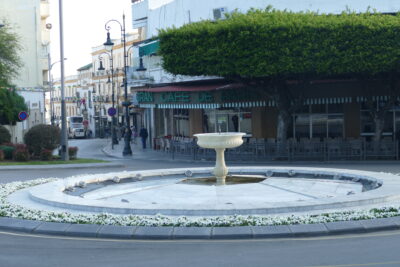
and again, and more dissolutely, in the 60s and 70s.
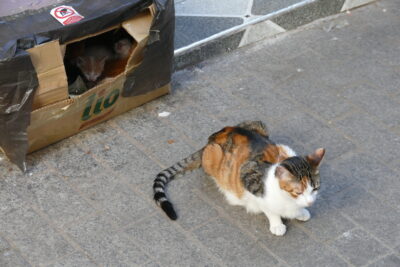
It is also home to a lot of cats.
We took the opportunity to rest
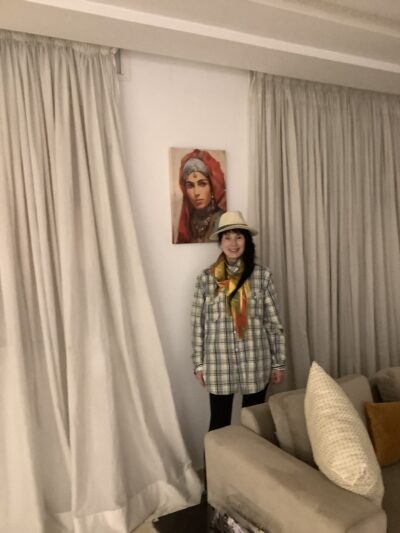
and plan
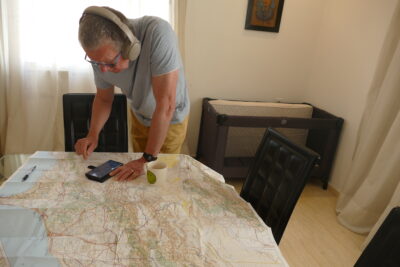
before continuing south slowly (spending a couple of nights on the road)
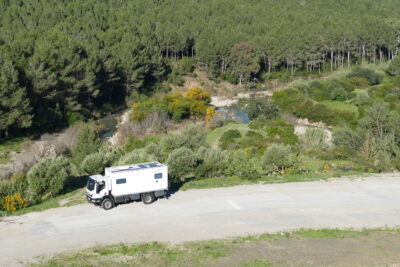
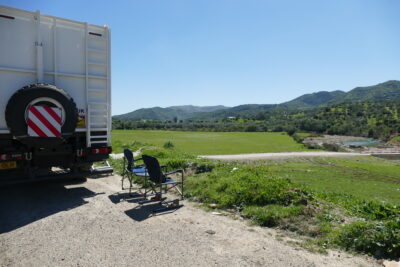
to Fes,
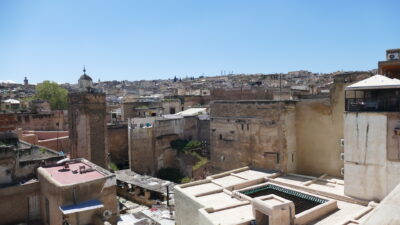
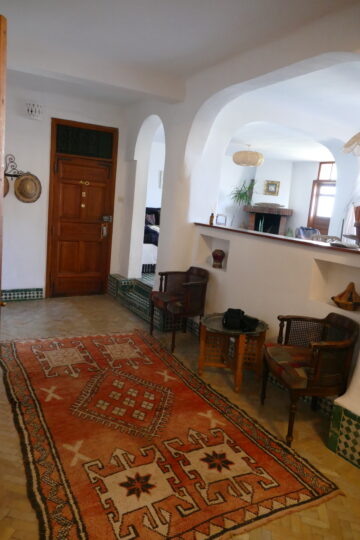
where we rented an apartment for a couple of days.
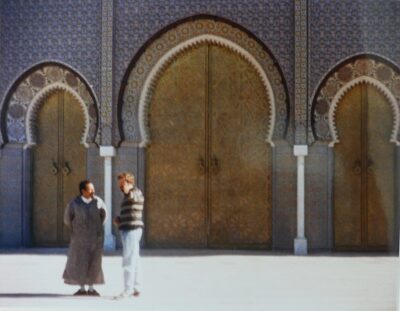
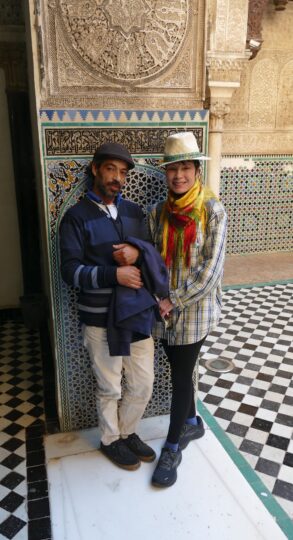
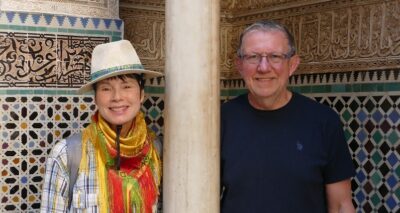
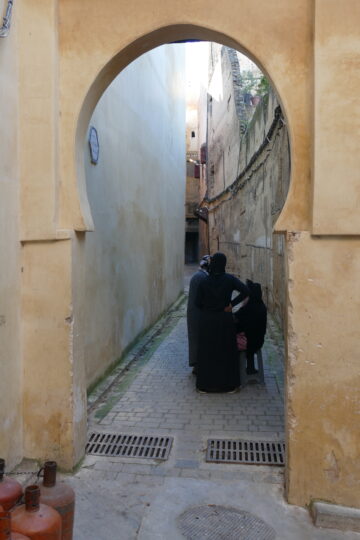
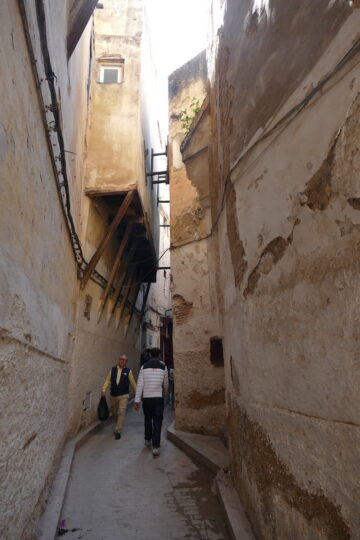
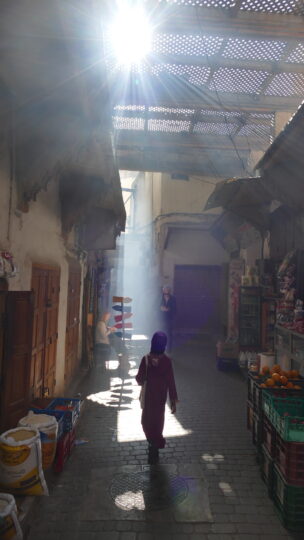
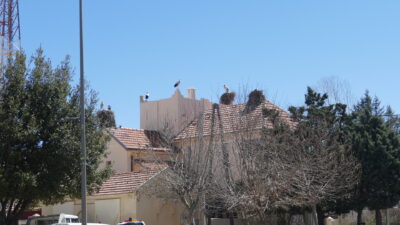
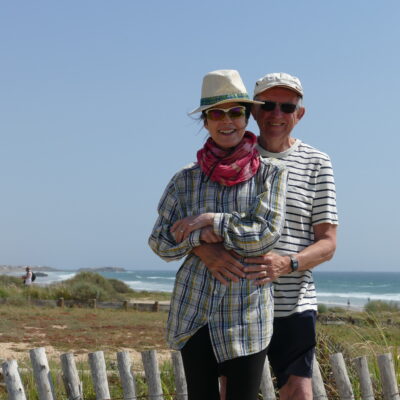
The ancient, walled Medina is a Unesco World Heritage site and claims to be the largest car-free urban area in the world. The city has changed little since we were last there 38 Years ago (stripey jumpers were fashionable back then).
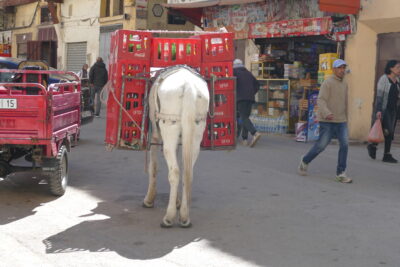
There are just a lot more tourists and many fewer donkeys
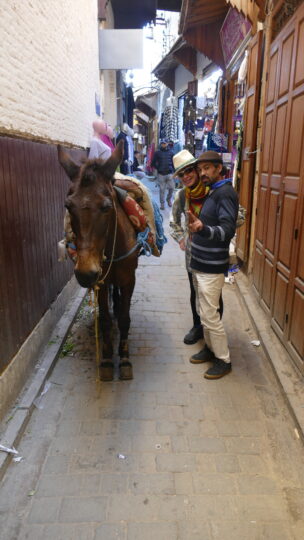
and mules.
The ancient Chouara tannery smells just as bad,
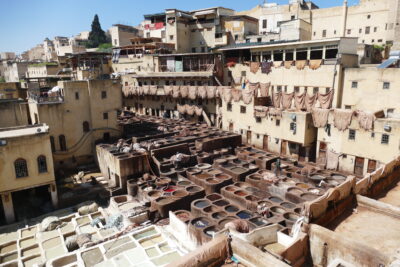
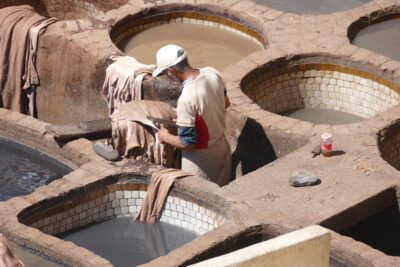
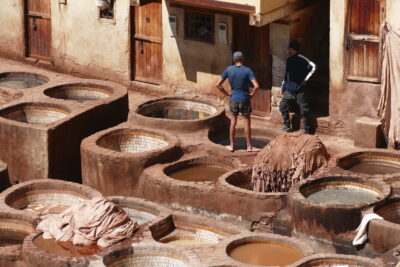
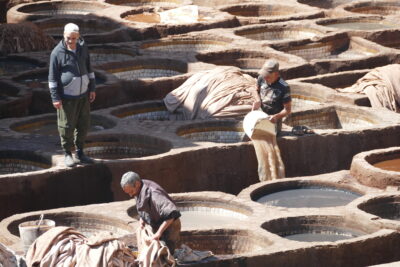
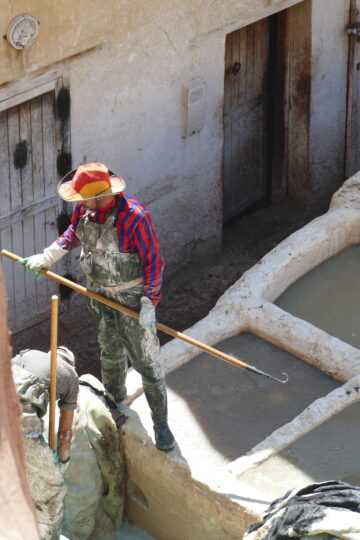
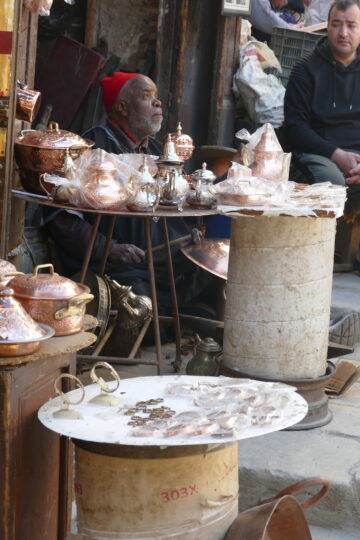
artisans still ply their traditional trades,
the centuries-old madrasahs,
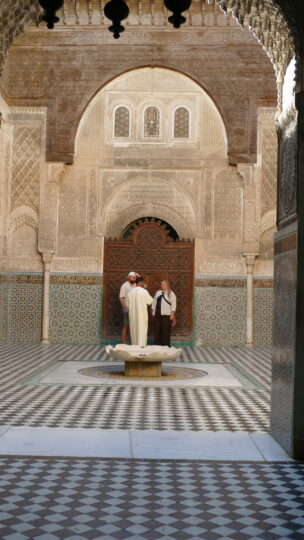
university,
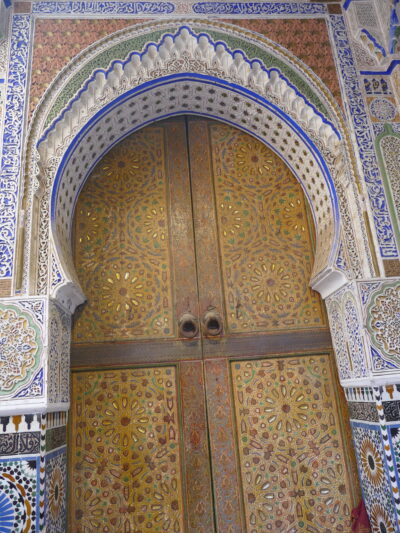
mosques
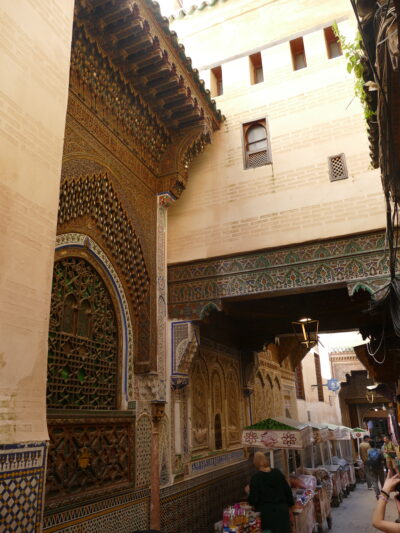
and caravanserai
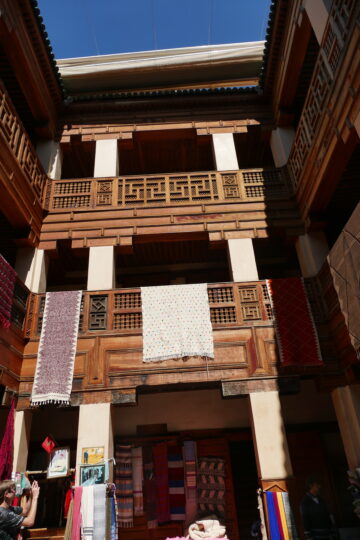
are as beautiful; and it is impossible not to get lost when exploring the Medina.
60 miles south of Fes, Azrou is known for its cedar forests
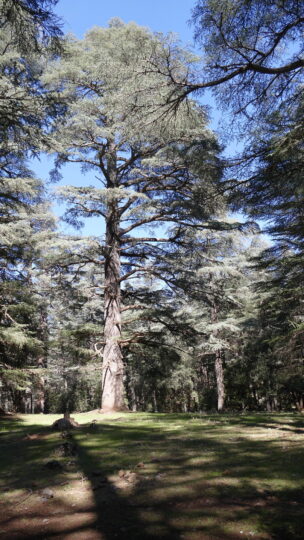
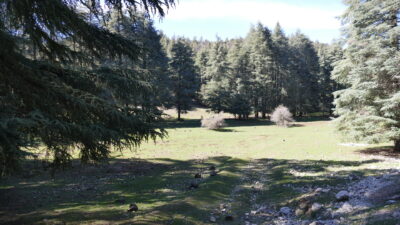
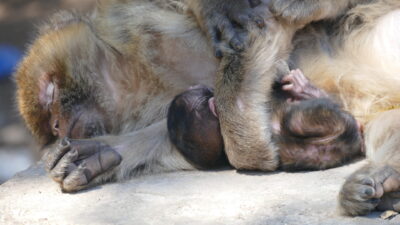
and barbary macaques (last seen in Gibraltar).
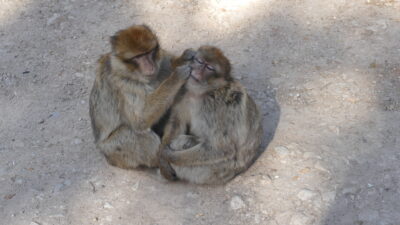
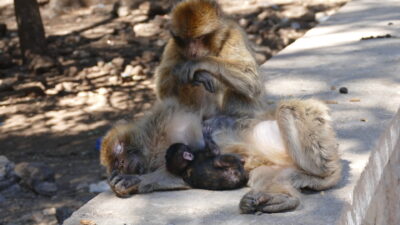
Continuing south,
there was still a little snow on the sheltered slopes of the Middle Atlas range
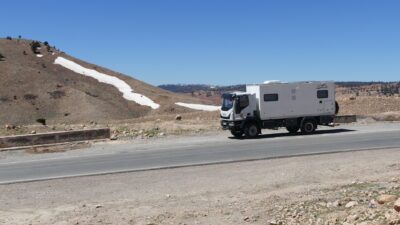
and more on the distant peaks of the High Atlas.
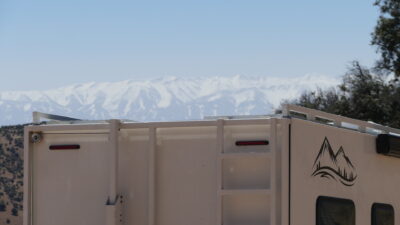
We camped behind a service station near Zabzat
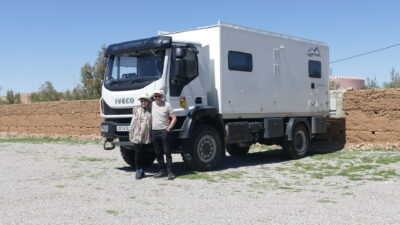
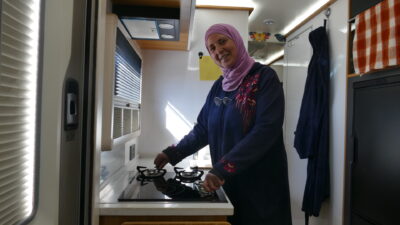
where Danielle gave Malika, the restaurant owner and a local magistrate,
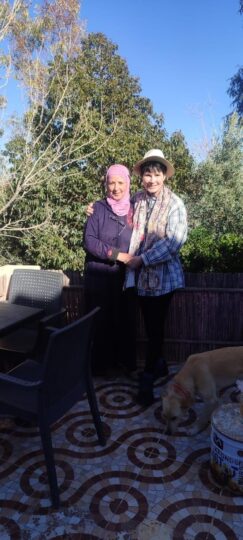
a tour of the vehicle.
The country became progressively drier as we approached the edge of the Sahara.
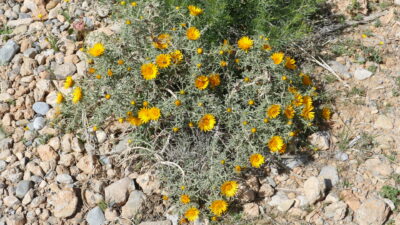
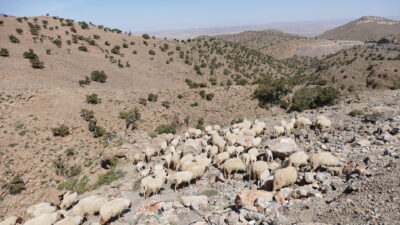
However, where we camped at Achbaro,
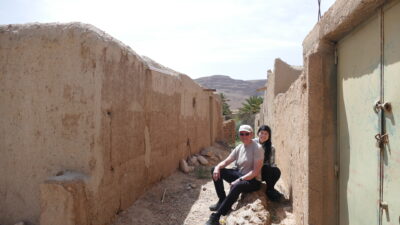
a sudden flood two years ago had washed away the road, cutting off the village across the river.
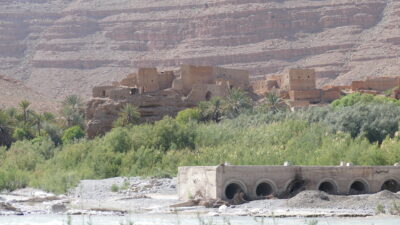
Majid, the owner of the gite where we camped guided me on a walk through the nearby villages.
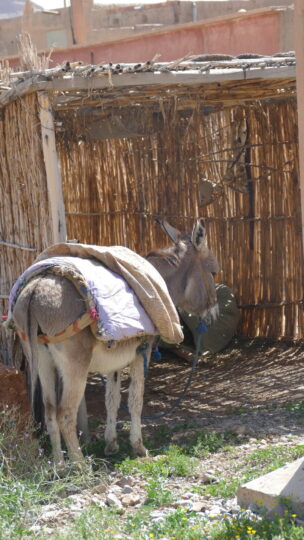
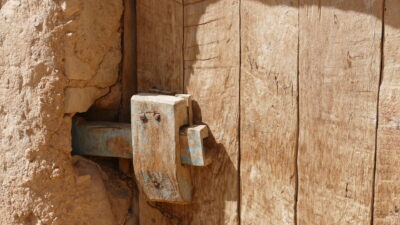
and into the gorge.
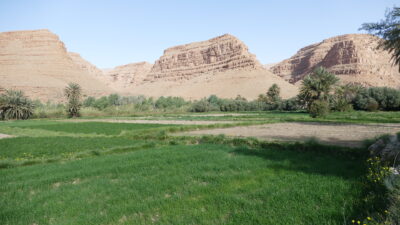
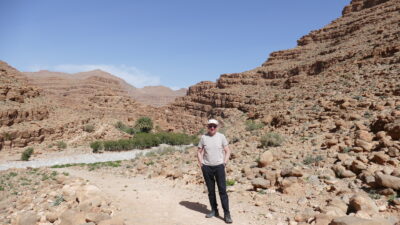
We stopped for breakfast at the camp of a nomadic Berber family.
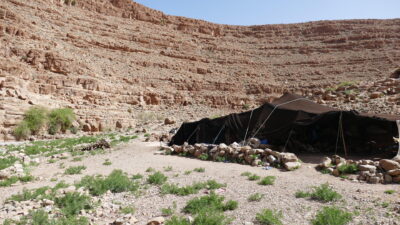
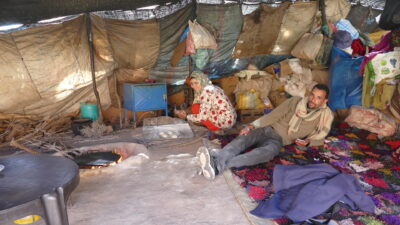
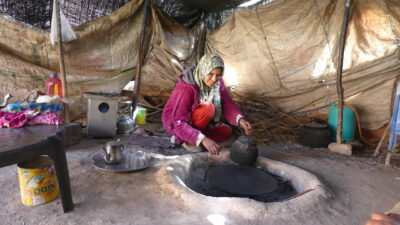
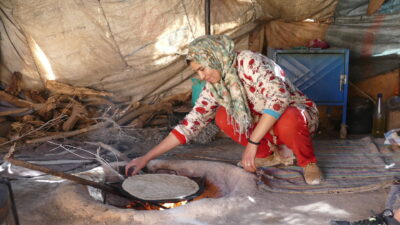
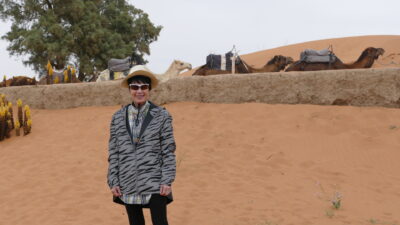
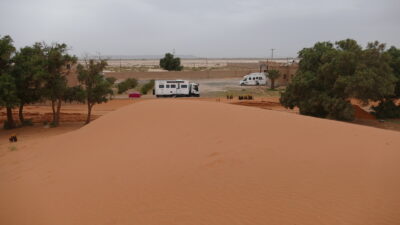
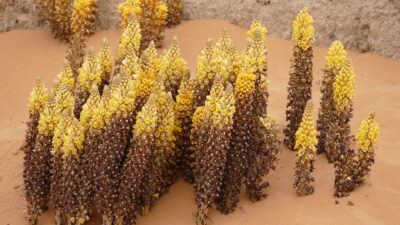
At Merzouga, we were in the desert proper.
.
We accepted Yusuf’s offer of following his 4×4 on a tour of the nearby sites.
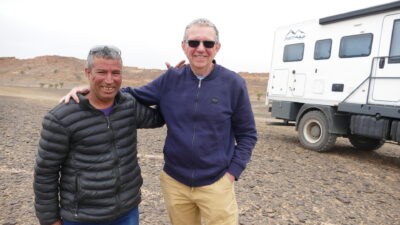
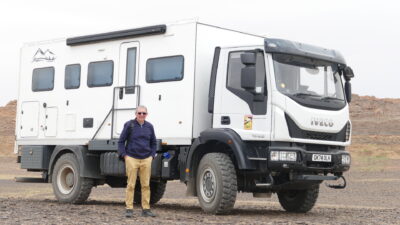
On our vehicle’s first off-road experience,
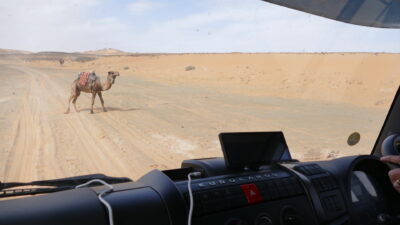
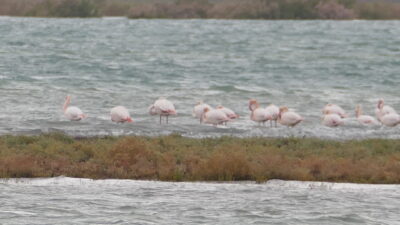
we visited the seasonal lake
with its flamingos,
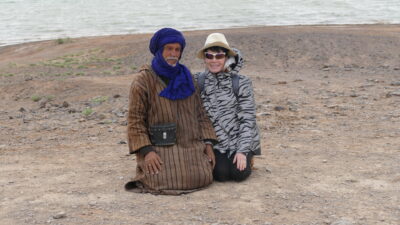
the now deserted villages of colonial-era French and Portuguese prospectors
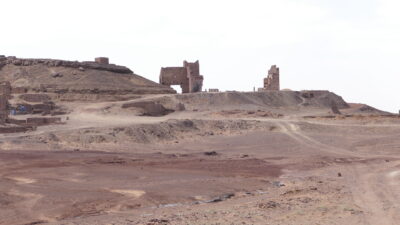
and a temporary camp of nomadic Berbers
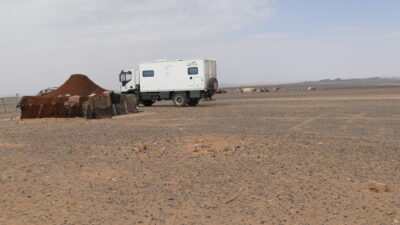
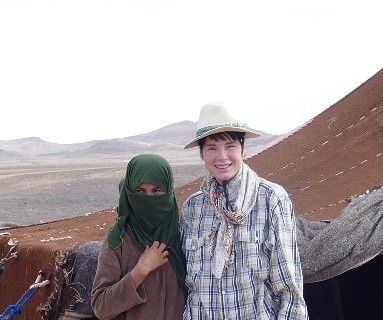
displaced by the ongoing dispute with Algeria whose border was the distant hills.
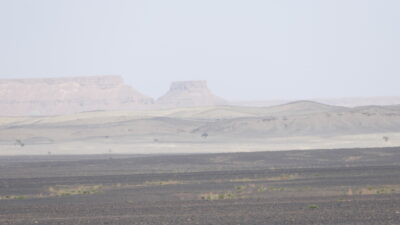
The local mechanics helped me to reduce the pressure in the tyres
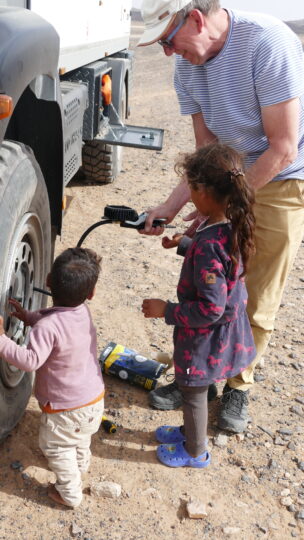
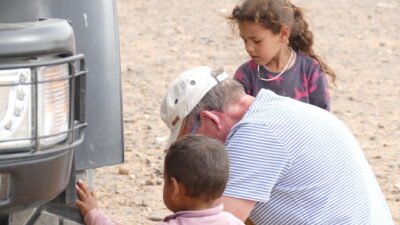
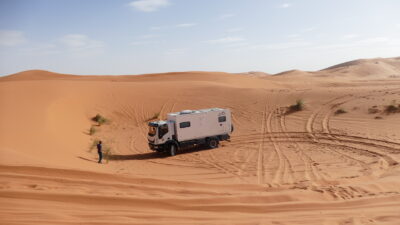
in preparation for crossing Merzouga’s famous dunes.
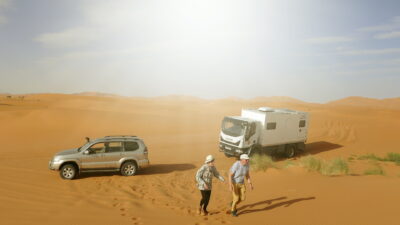
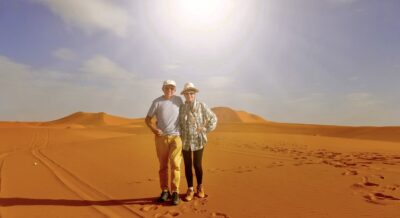
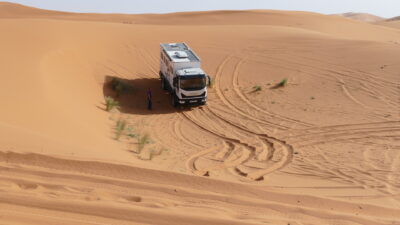
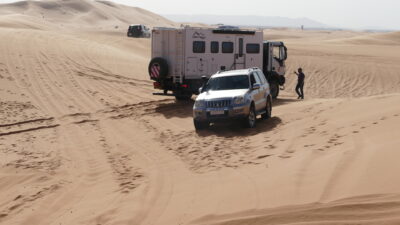
At >10 tons, the truck is not really designed to ‘float’ on sand like a Landrover. However, it was solely to entertain the other ‘dune riders’ that I failed to take the correct line and got ‘bogged’.
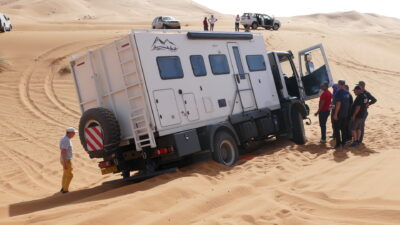
There was no shortage of advice (mostly conflicting) on how to extricate ourselves.
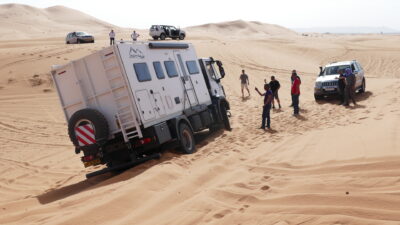
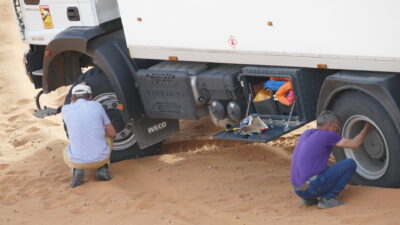
Fortunately, our top-of-the range sand ladders proved their worth and we were able to escape.
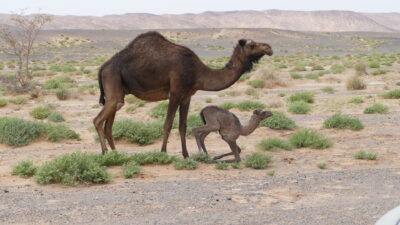
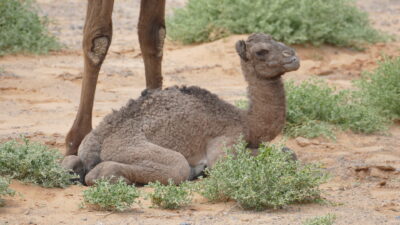
Despite the excitement, the clear highlight of the day was our encounter with a newly-born camel (the nearby placenta suggested that it was no more than a few hours old).
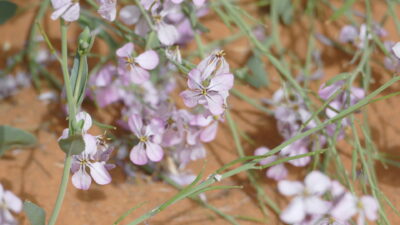
We next moved north to Tinghir; famous for its date plantations.
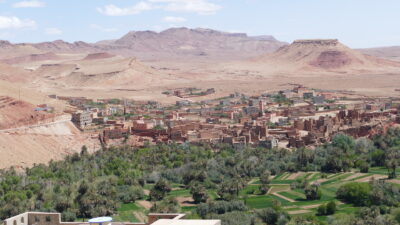
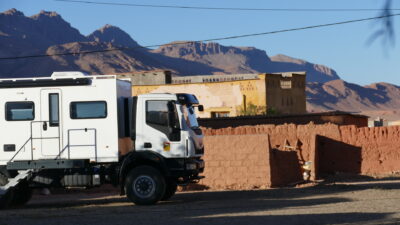
The water of the meandering Wadi Todgha supports an oasis in the valley
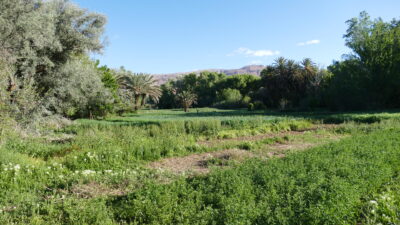
that is in striking contrast to the arid surrounds. People have largely abandoned the mud-brick buildings of the historic centre,
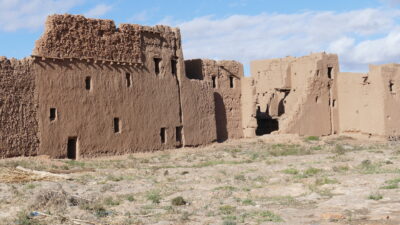
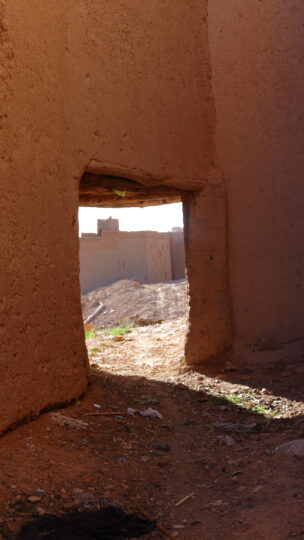
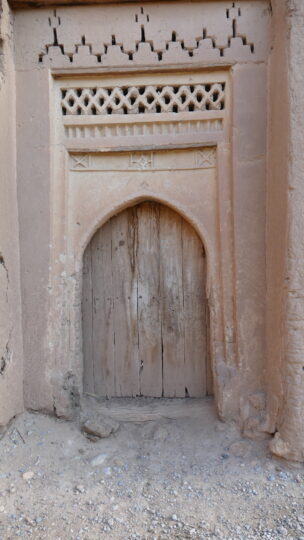
for more modern houses.
Tinghir is the gateway to the Todgha Gorge
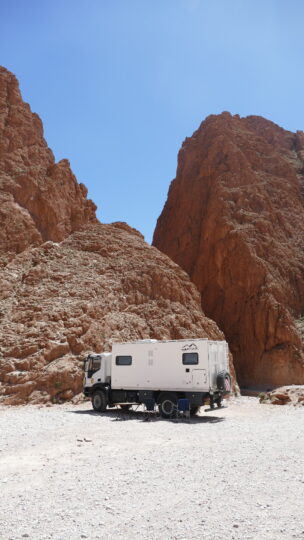
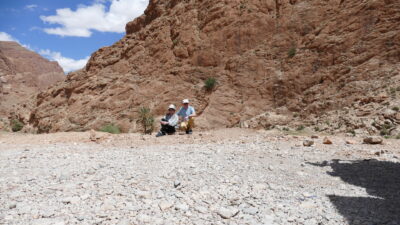
and the High Atlas Mountains.
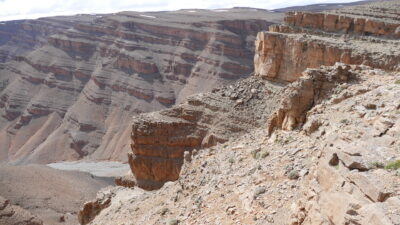
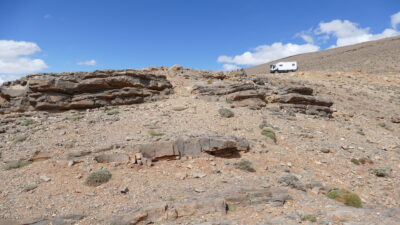
We spent a night at Agoudal; one of the highest villages in Morocco (at 2,400 metres).
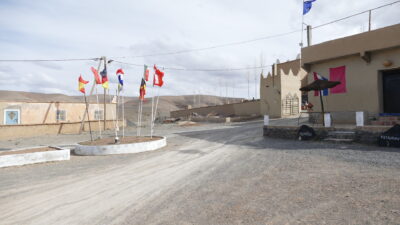
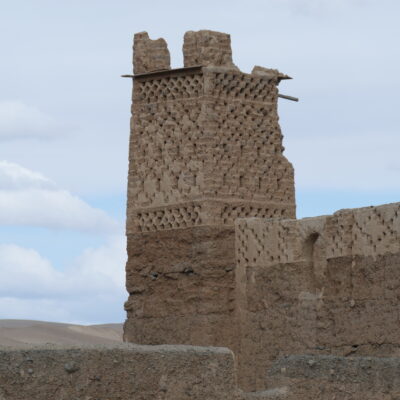
A local we met adescribed it as ‘the coldest town in Africa’. As if to prove him right, it snowed the following morning.
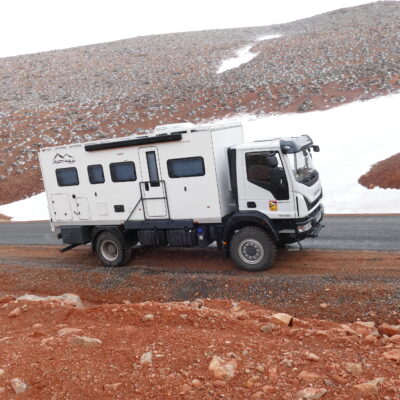
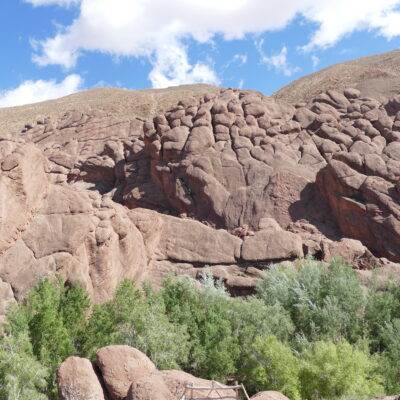
We took a different road back south through the Dadès gorges; ending at the ‘Monkey Fingers’ rock formations.
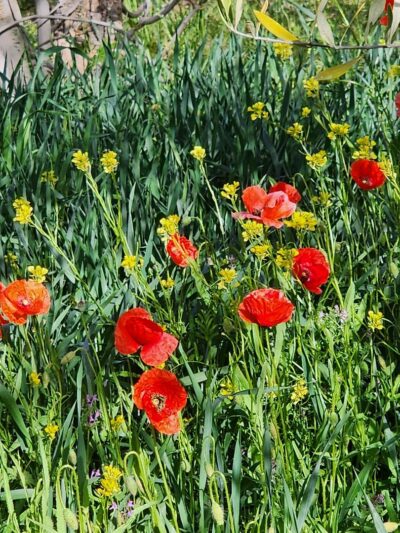
Aït Benhaddou, another of Morocco’s UNESCO World Heritage sites, is a fortified village on the ancient caravan route between the Sahara and Marrakesh; famed for its preserved/restored earthern clay buildings.
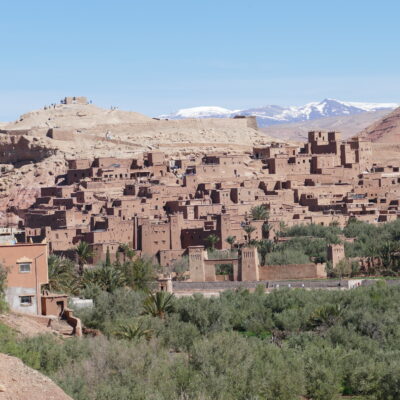
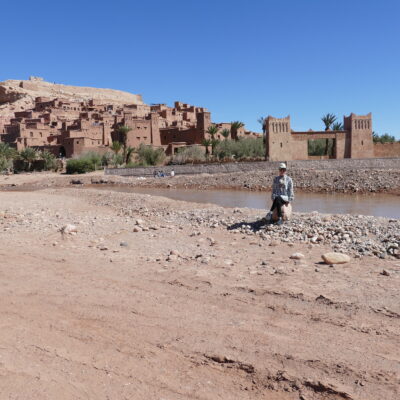
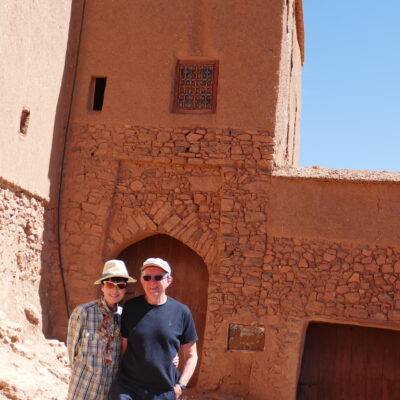
Far more importantly, it has been the setting for films and TV dramas- including Gladiator and Game of Thrones. The distant peaks of the High Atlas provide a dramatic backdrop.
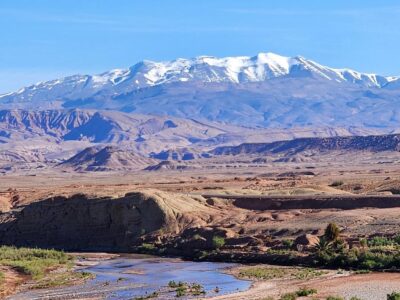
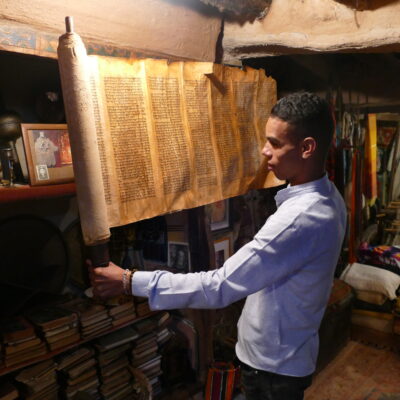
Nearby Ouarzazate has been dubbed the ‘Hollywood of Africa’ due to the number of its film studios. Of more interest to us was the centuries-old synagogue.
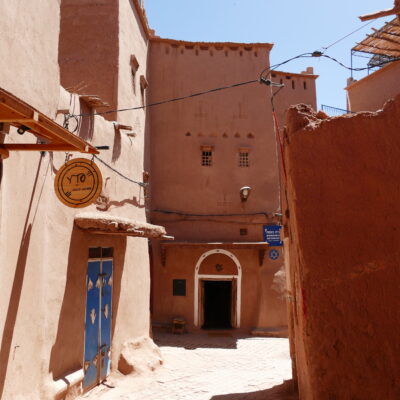
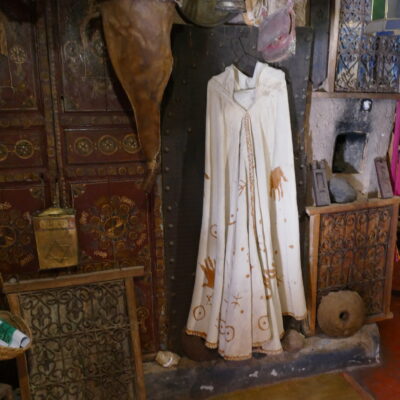
It was the centre of a small but thriving Jewish community until the 1950s when most emigrated to Israel. The current young custodian, whose family owns the building, describes himself as a Jewish Berber.
After a night in the grounds of a women’s cooperative,
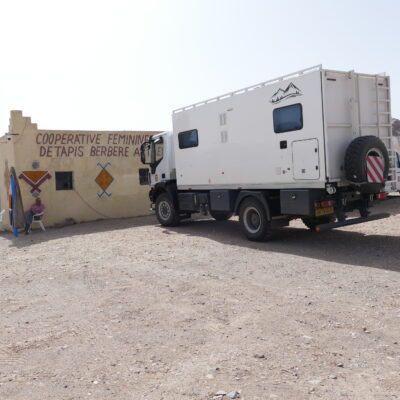
we picked up a (second) speeding ticket
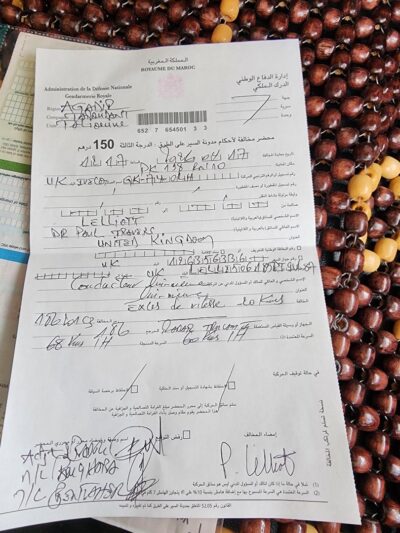
on the road to Taroudant – famed for its 7.5 km of city wall.
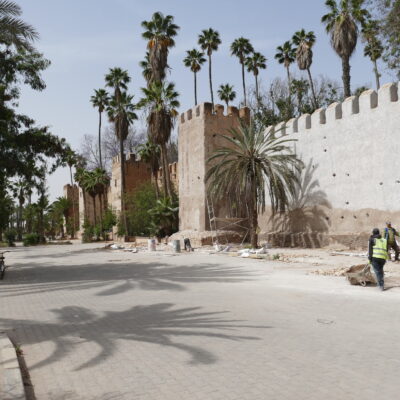
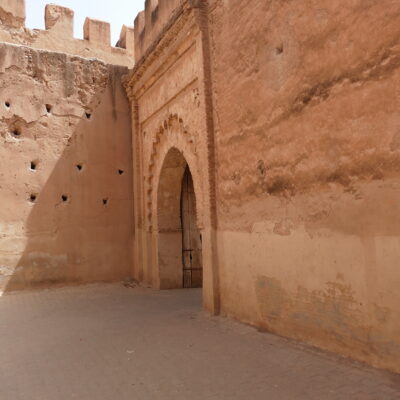
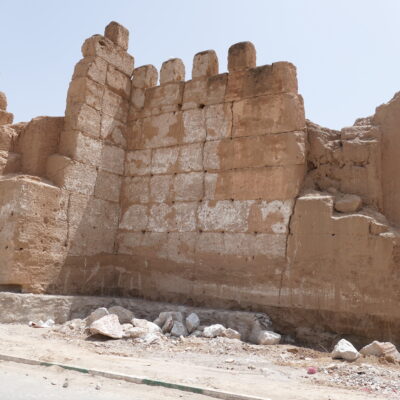
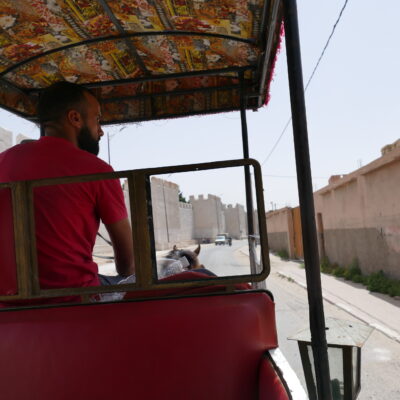
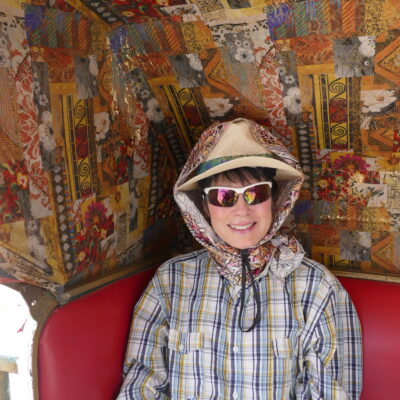
On a day when the temperature was close to 100°F, these were best viewed from the back of a calesh.
When we reached the Atlantic coast at Taghazout Bay,
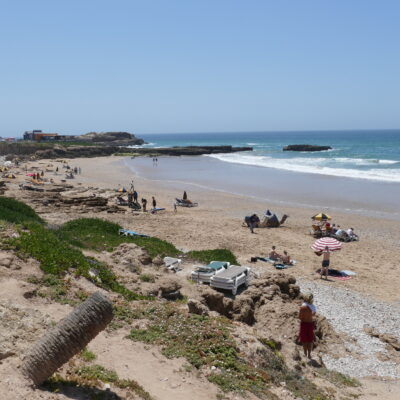
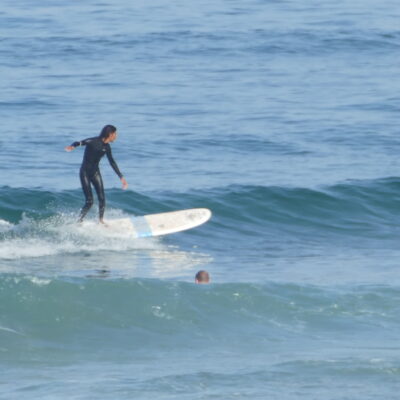
we took a five-day break
with the surfer community.
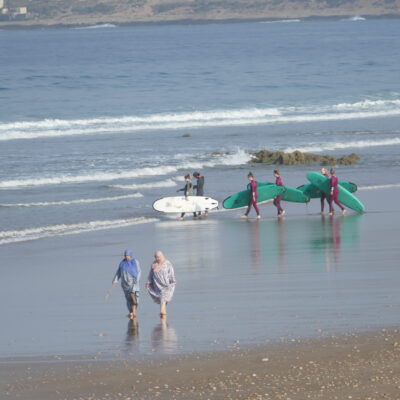
An opportunity for Danielle to show the young people how to catch a wave.
We reached Guelmin on a Friday afternoon,
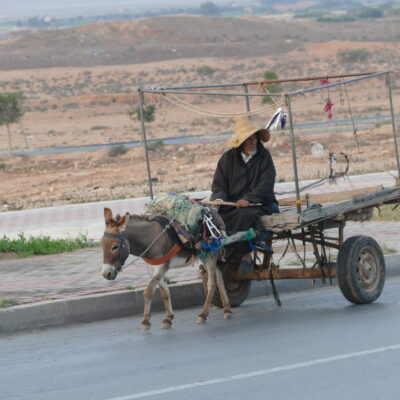
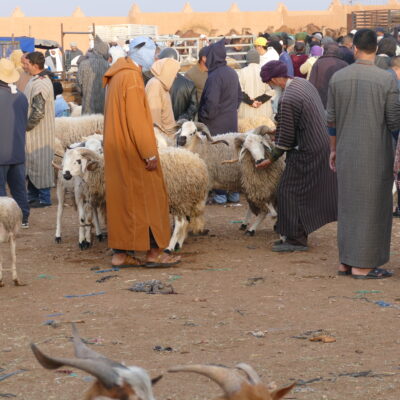
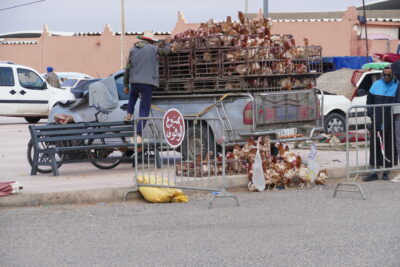
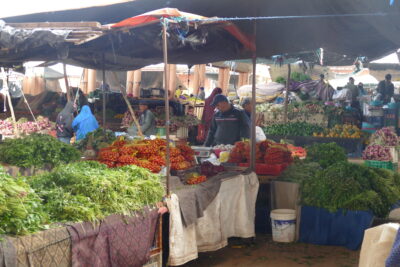
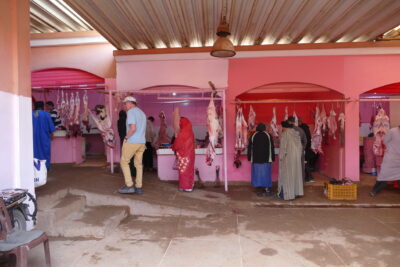
in time for the Saturday morning camel market;
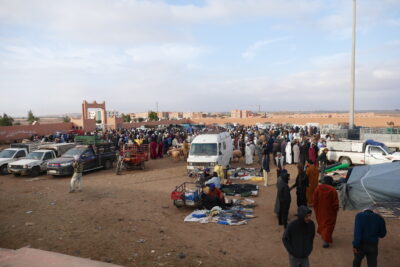
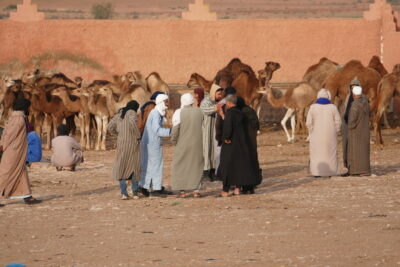
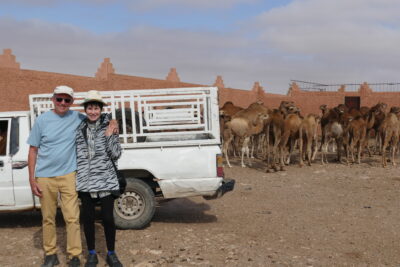
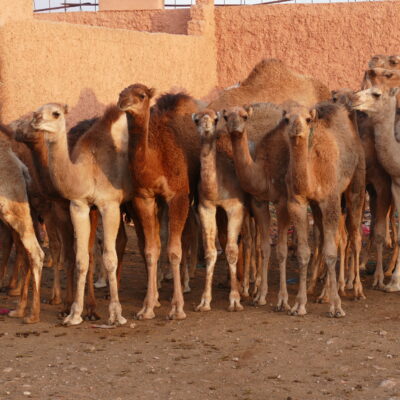
where you could buy more than camels.
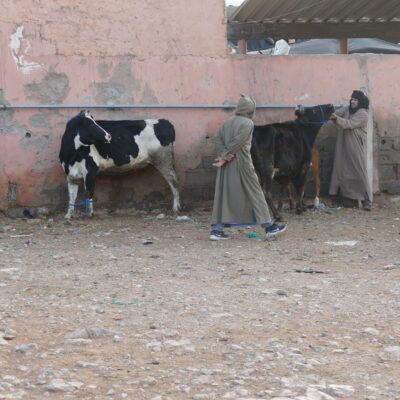
The further south we travelled down the windy and sparsely populated, Atlantic coast,
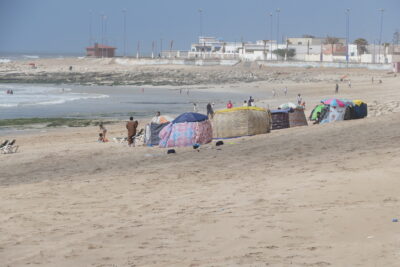
the more overlanders we encountered.
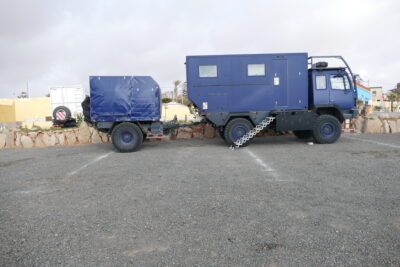
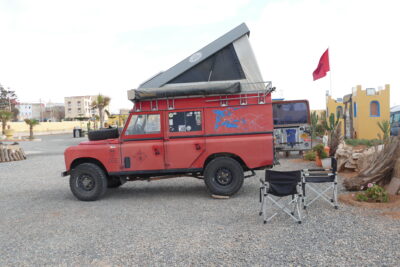
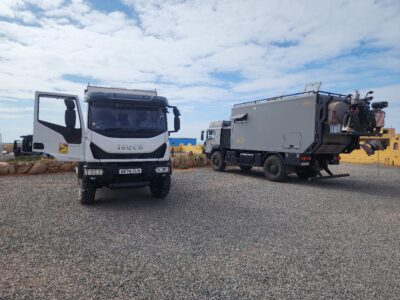
The long and sandy road south
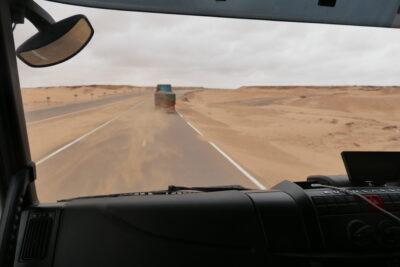
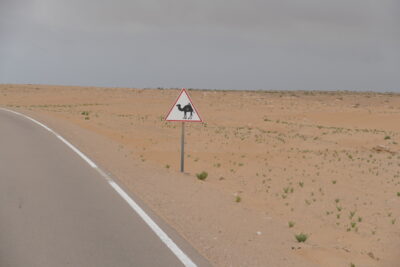
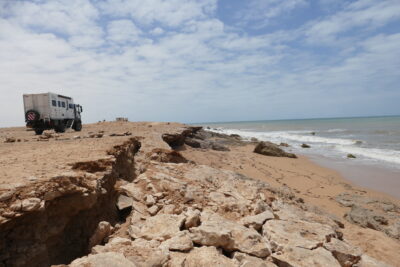
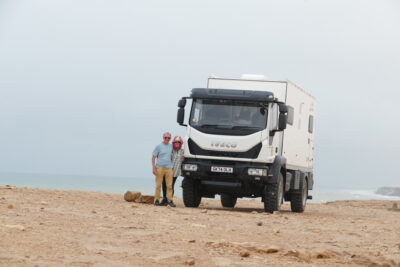
took us across the invisible border into Western Sahara. Morocco’s control over the territory is disputed; as evidenced by the frequent police checkpoints and strong military presence.
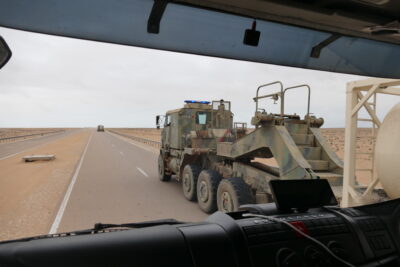
We stopped for the night at Foum el Oued (the Atlantic outlet for Laayoune, the ‘capital’ of Western Sahara).
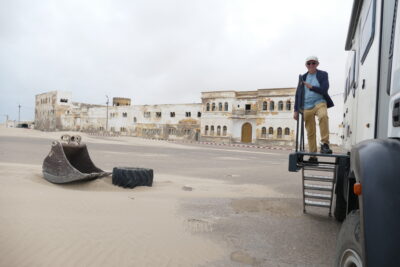
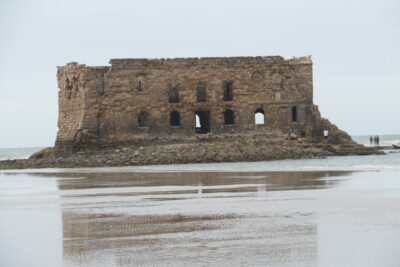
In the 1850s, the town was a fortified British outpost linked to the trans-Saharan trade routes,
In the 1930s, it was a waypoint for the network of air couriers servicing French North Africa.
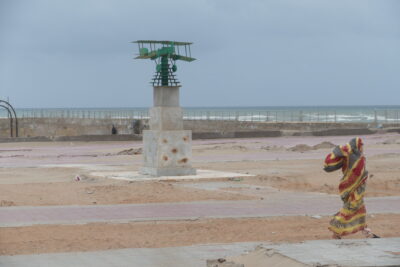
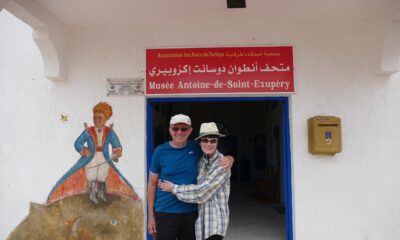
The most famous pilot based at Foum el Oued was Antoine de Saint-Exupéry
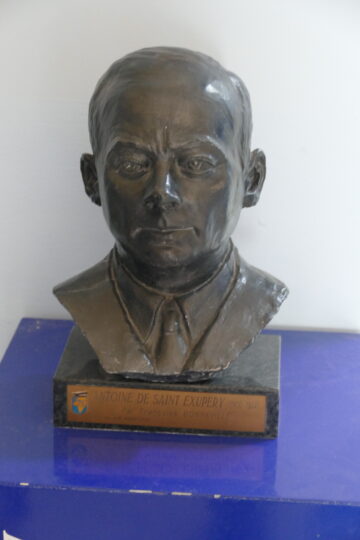
author of Le Petit Prince.
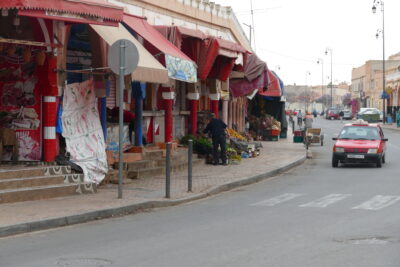
Returning north, we spent an enjoyable evening in the relaxed town of Tiznit;
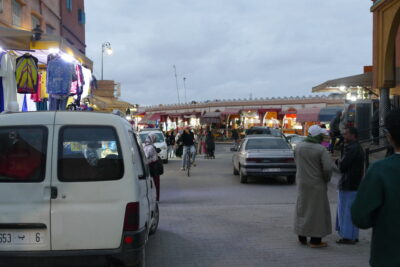
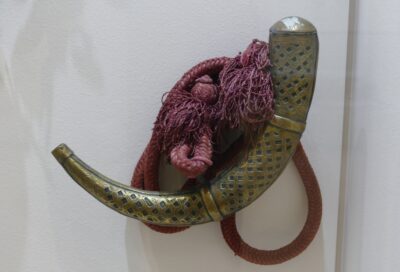
on our way back for five more days by the beach at Taghazout Bay. We spent a day enjoying the sites of nearby Agadir – the museum of Berber art
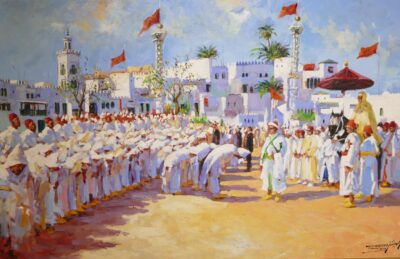
and culture,
the cable car
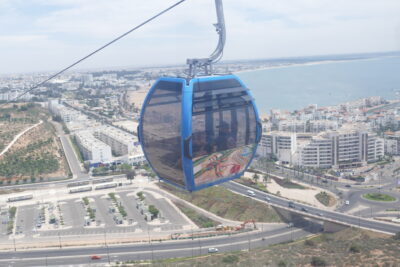
up to the Kasbah Agadir Oufella
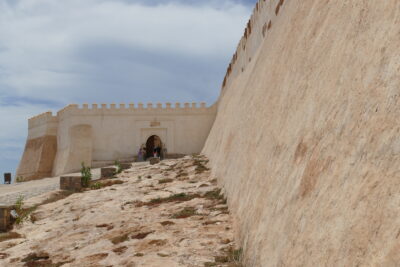
(which was destroyed by a catastrophic earthquake in 1960),
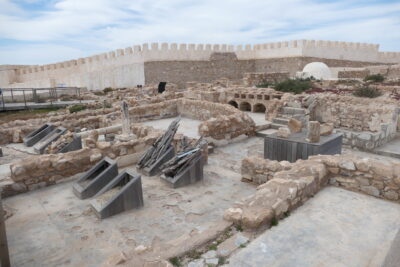
and finishing with coffee at the Marina.
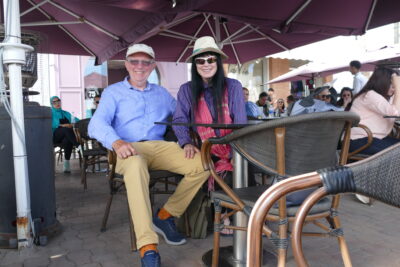
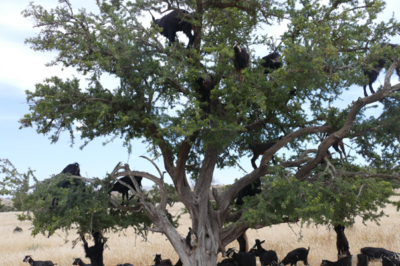
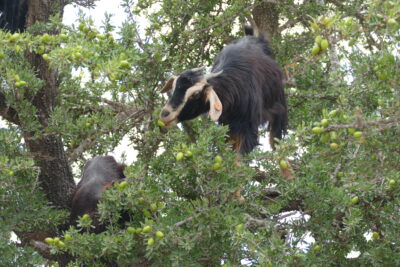
The Souss Valley, inland from Agadir, is the heartland of the argan groves. Oil is extracted from the fruit;
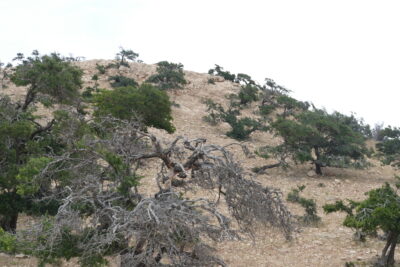
unless the tree-climbing goats get there first.
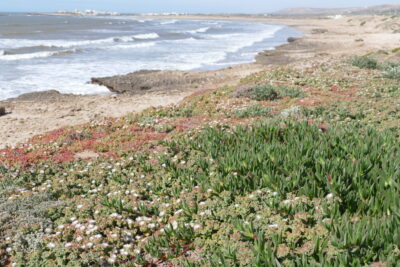
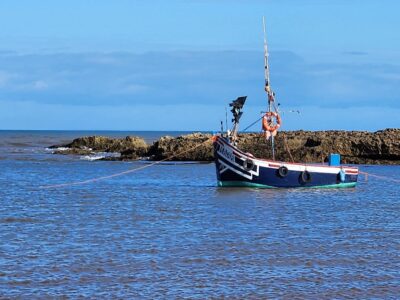
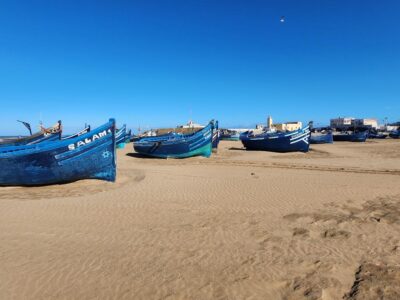
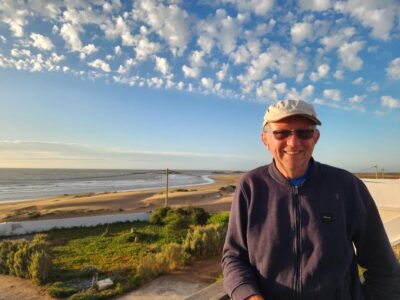
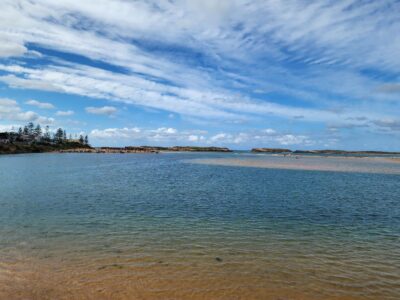
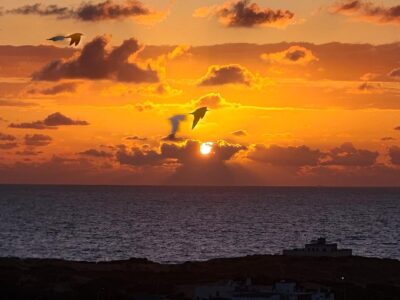
We made three overnight stops on the beautiful atlantic coast north of Essaouira
Oulidia
and Mohammedia.
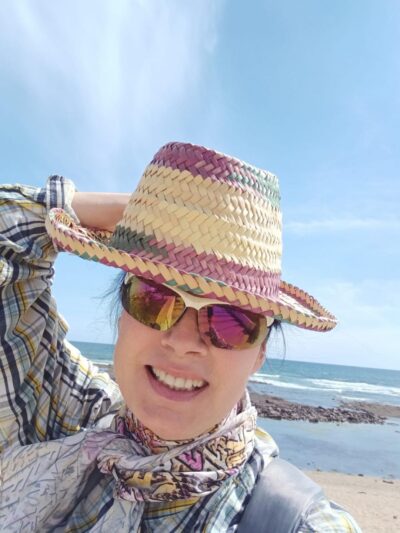
The last leg of our journey
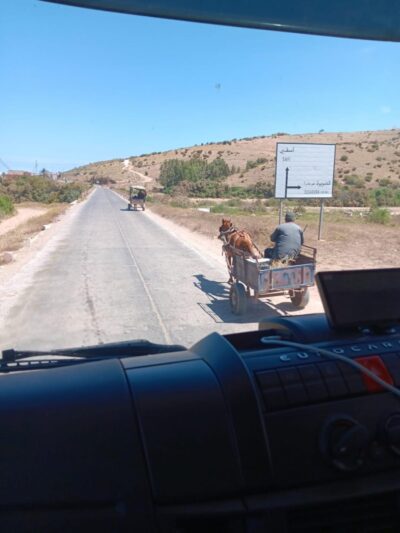
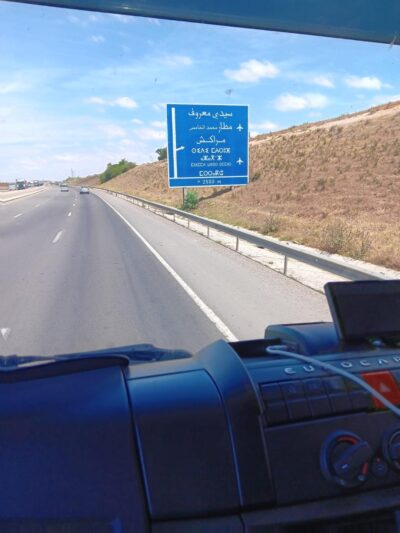
took us back inland to Moulay Idriss and the wonderful archaelogical site at Volubilis
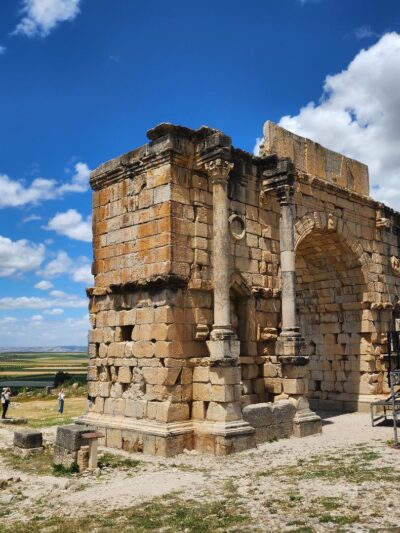
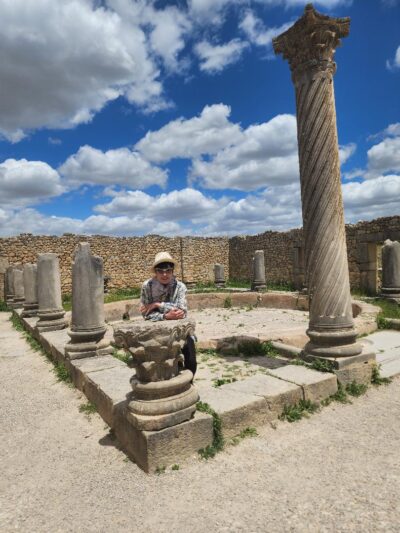
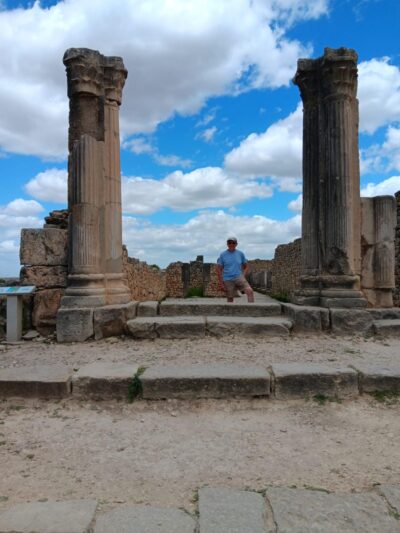
– one of the most southerly cities in the Roman empire; set in olive groves
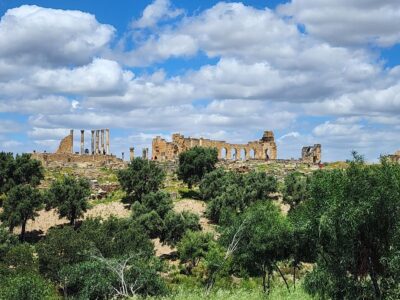
overlooking a wide and fertile plain.
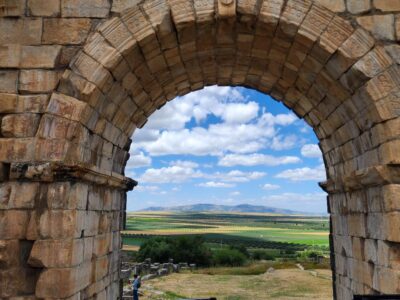
Our return to Tangier
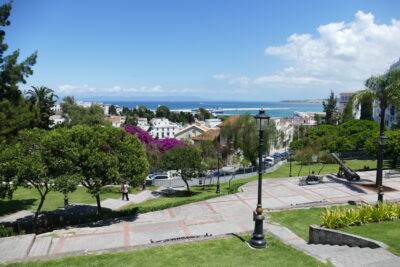
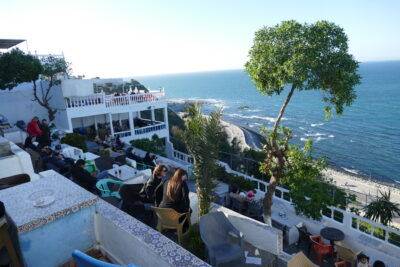
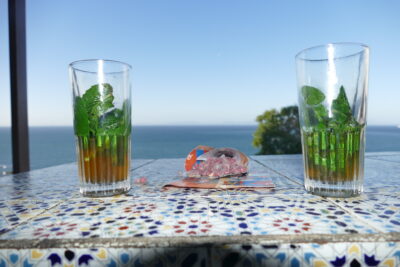
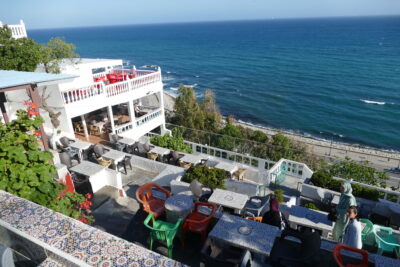
completed our loop through Morocco. Just time for a last mint tea at the Café Hafa
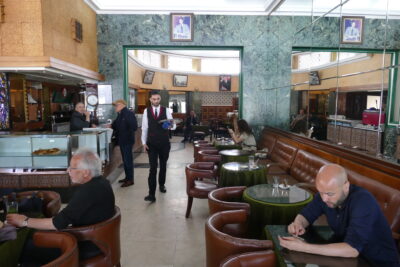
and coffee at the Gran Café de Paris
before taking the ferry
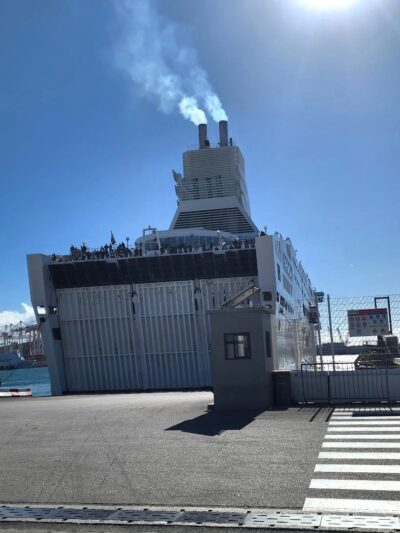
leaving at mid-night
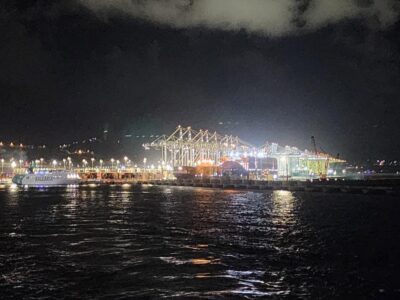
for the 60-hour sailing to Genoa.
Our lasting memories of Morocco include the diversity of landscapes (snow-capped mountains, desert dunes, green valleys and wonderful coastlines), the warmth of the people, the contrasts between modern cities and countryside reminiscent of a Thomas Hardy novel (all donkey carts and sickles) and the lamentable state of the plumbing.
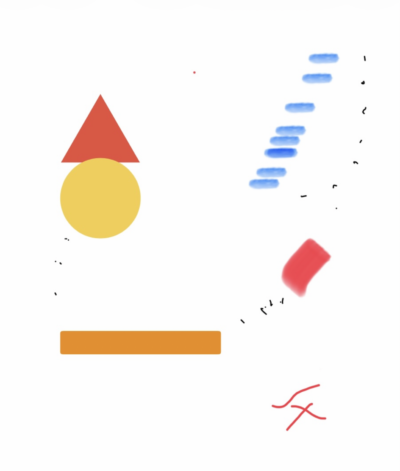
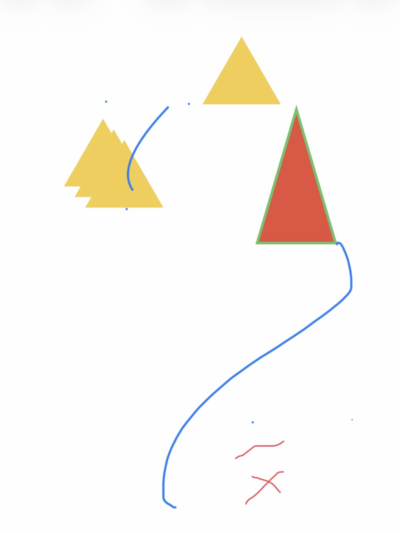
Danielle has expressed her feelings about the country in the medium she enjoys most:
The Calm Spirit of Morocco
The Hypnotic Dunes of Morroco
Loving the pictures. Danielle looking very stylish!
What adventures! Who knew sand ladders were a thing? Lovely to see you interacting with the locals…
So full of excitement!
Also really wonderful genuine interactions with people – one of the best bits of travelling in my opinion.
Gorgeous photos of the two of you too, and I enjoyed the past-and-present versions (striped jumpers just as fashionable now, I’m told)
We’re very pleased for you to be on another great adventure (at last). Great photo’s and text, lovely to look at and really interesting too. Looking forward to much more. Stay adventurous – and safe!
Who knew that baby camels could stand up, just like new born giraffes?
How come humans take a year?
Your trip looks fabulously fascinating!
Vraiment Impressionnant.
Comme toujours, les photos sont magnifiques!
Looks amazing Paul and Danielle. What a wonderful experience of a lifetime. Love all the photos and you both look so happy 🥰 Lots of love from the 5 of us xxxx
Lovely to see the variety of places from ancient bustling streets to the cedar trees, deserts, lush oasis, and snow-capped mountains. It’s nice you are able to revisit some familiar places as well as make new memories, although this time around, you are seasoned travellers equipped with sand ladders!
Snow in AFRICA??
But I thought Band Aid said there wouldn’t be any…
What a marvellous ‘album’ of Morocco! Colourful towns, high mountains, kasbahs and sandy deserts. I remember tent-camping in Morocco in 1980 and often having to pitch up at police stations, because there were hardly any campings…….I’m sure that has changed by now. But not the ever varying scenery and lovely vegetables on the markets. I want to go see those cedars! Great to see the vehicle is doing it’s job, and manages to get out of the sand-bog. I can’t wait to see what’s next in your adventures. Keep on enjoying the journey, and safe travels!!
Love from Anna and Hugh
It is such a privilege to travel with you however vicariously.
Your photos are amazing and a wonderful record. Love the baby camel and the artistic photo of the cedar trees especially.
Glad the truck is behaving.
Love to you both,
Siân & Nick xx
I think your pictures and commentary would warrant a book. Might help pay for the expedition. ..and the diesel..
A speeding ticket?
Interesting to hear how the locations have been used for film sets. The photos of the synagogue were fascinating, especially the photo of the scroll. Look forward to seeing how the rest of your journey progresses.
Five days on the Atlantic Coast sounds like a very pleasant break from the desert. Disappointed you didn’t catch your own wave. Must try harder…
Fantastic pictures and commentary, Morocco looked amazing the buildings,colours and the locals very welcoming, a hairy moment getting the Truck stuck thank goodness you invested well with the sand ladders.
Happy and safe travels.
Hello you’re our heros
Very Lovely
I always used to go for Geography when we played Trivial Pursuit. Your voyage reveals my profound ignorance (I actually thought Mauritania was a made up country ruled by Omar Sharif).
Could’ve made a fortune with that newborn camel!
xxxx